
 SEARCH

 English
 Español
 Português

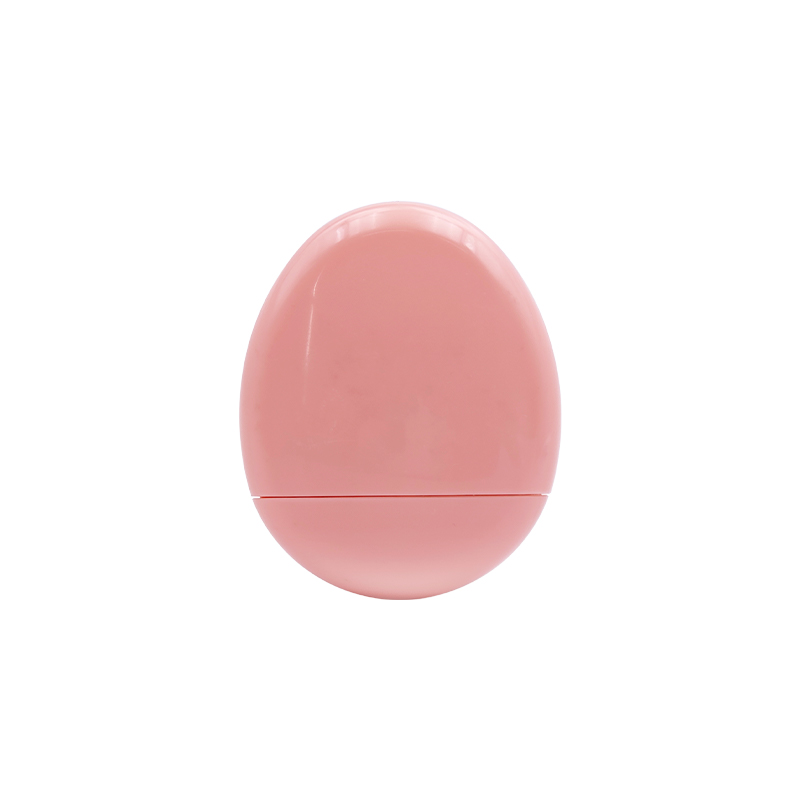
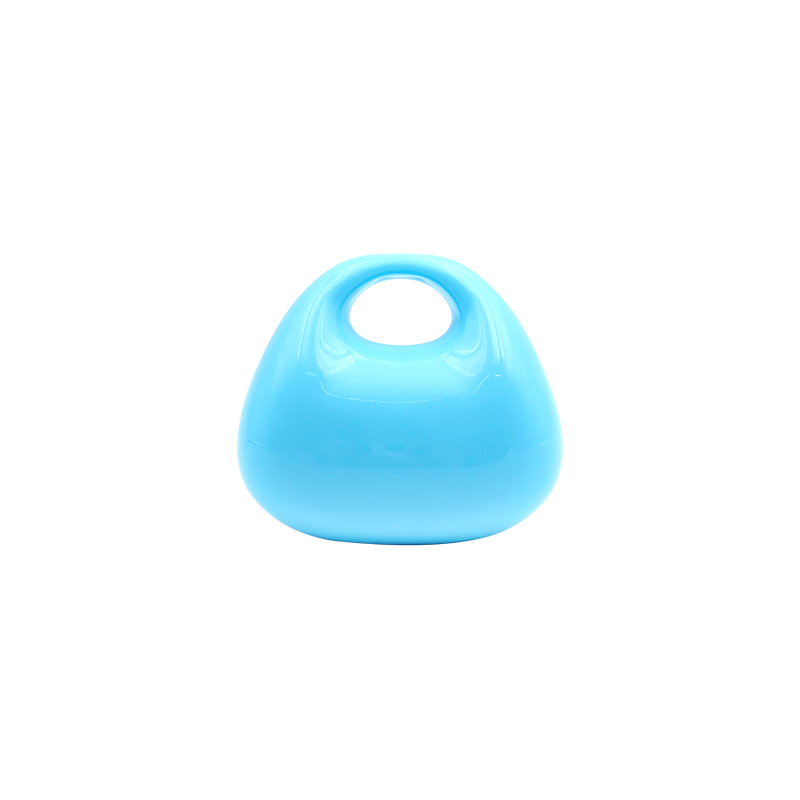
EGG-SHAPED BLUSH CREAM
TEXTURE OF CREAM MOUSSE THE PASTE IS SMOOTH AND HASGOOD COLOR VISIBILITY. Mo...
Lip care and lip makeup often sit in the same daily flow, even when they are treated as separate actions. One side focuses on surface comfort, the other focuses on visual expression. A Lip Quip Moisturizing Lip Oil stays between both sides, quietly shaping how lips feel before makeup and how color behaves after it.
Lip surface condition changes through the day. Air, talking, drinking, and simple exposure all affect how smooth or dry lips feel. When surface becomes uneven, later products may not sit evenly. That is where a Lip Quip Moisturizing Lip Oil becomes part of preparation rather than decoration.
It does not change appearance in a strong way. Instead, it adjusts surface texture step by step, so later layers can sit more calmly on the lips.
Lip routines used to be very direct, mostly focusing on simple hydration. Over time, layering habits became more common. Lip Quip Moisturizing Lip Oil started to appear in that shift, not as something extra, more as a soft middle step between care and makeup.
Daily environment affects lips more than expected. Dry air, indoor heating or cooling, even long conversations may slowly reduce surface moisture. Lip oil interacts with that surface in a light way, helping it feel less tight.
Instead of creating heavy coverage, the oil spreads thinly and sits close to the skin texture. That light layer changes how lips respond to later steps in routine.
Common reasons for its use:
A small change in surface condition often leads to a noticeable difference in how later products behave.
Lip hydration is not stable through the whole day. It rises and drops depending on movement, weather, and daily habits. Lip Quip Moisturizing Lip Oil does not force change, it supports balance by forming a light layer on the surface.
After application, oil spreads softly and sits across lip lines. It does not stay thick when applied in a controlled amount. Instead, it creates a thin, flexible layer that slows down moisture loss from the surface.
That balance is subtle. Lips still move naturally, yet surface feels less dry between repeated activities.
To understand behavior more clearly, a simple comparison helps:
| Lip Surface Condition | Without Lip Oil Use | With Lip Quip Moisturizing Lip Oil |
|---|---|---|
| Surface texture | may feel uneven during day | feels smoother across time |
| Moisture feeling | changes quickly after exposure | stays more balanced longer |
| Comfort level | depends on environment | more stable in daily routine |
| Makeup readiness | may require extra prep | closer to ready condition |
| Visual appearance | fine lines more visible | surface looks softer |
Hydration support here is not about intensity. It is more about maintaining a steady surface feeling across different moments of the day.
Timing plays an important role in lip layering behavior. Lip Quip Moisturizing Lip Oil is usually placed before color application, not after. That order helps shape how later products sit on the lips.
After applying oil, the surface slowly adjusts. It becomes softer, and small uneven areas may feel less sharp. That adjustment period allows makeup products to interact with a more stable base.
Typical usage moments include:
A short waiting time is often included before applying lip color. That pause allows oil to settle into surface layers instead of sitting only on top. Without that step, layering may feel heavier or less even.
Makeup preparation is less about speed and more about surface readiness. Lip oil becomes part of that preparation rhythm.
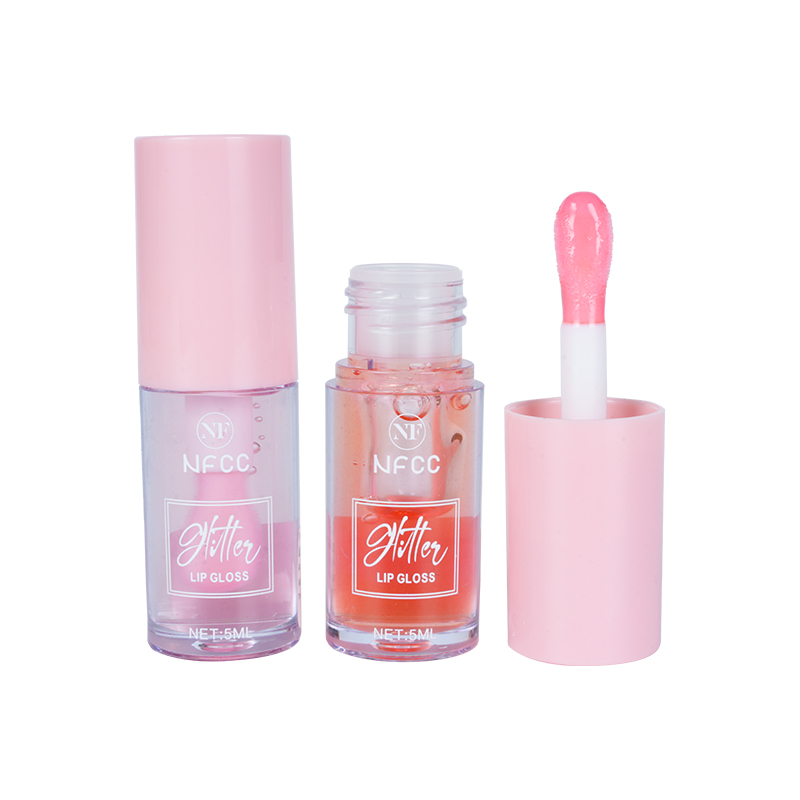
Lip color tint interacts closely with surface condition. When lips feel dry, tint may sit unevenly or highlight texture lines. When lips are prepared with a light oil layer, behavior changes.
Lip Quip Moisturizing Lip Oil creates a soft interface between bare lips and pigment. That interface does not block color completely, yet it adjusts how tint spreads and settles.
A balanced application often leads to smoother color movement across lip surface. The tint can glide more easily over small lines, reducing patchy areas.
Key interaction points:
A small point matters here. Too much oil may reduce tint grip on the surface, while a light layer tends to support smoother blending.
Lip makeup layering is not only about applying color step by step. It is also about preparing the surface so each layer behaves in a controlled way. Lip Quip Moisturizing Lip Oil usually acts as the first soft layer in that structure.
After application, it does not stay as a visible layer. Instead, it slowly interacts with lip texture, reducing dryness and softening surface feel. That change becomes the base for color application.
In layering behavior, it often contributes to:
Layering works better when each step supports the next one without creating strong separation. Lip oil helps create that transition in a gentle way, keeping the routine connected from care to color application.
Lip color tint behaves differently depending on the condition of the lip surface. When lips feel dry, pigment tends to settle unevenly, sometimes collecting in fine lines or leaving slight patch zones. After Lip Quip Moisturizing Lip Oil is used, surface texture becomes softer, and that shift changes how tint moves.
The oil layer sits lightly on the lips and slowly integrates with surface moisture. Once lip color tint is applied, it does not meet a rough base. Instead, it interacts with a smoother and more flexible surface.
That difference influences application behavior in a quiet way:
Absorption also changes. On pre moisturized lips, tint may not sink in as quickly. That allows more time for adjustment before final setting. On dry lips, tint can settle fast and sometimes unevenly.
The final visual result depends on balance. A lightly prepared surface often supports more consistent appearance, while heavy oil presence may reduce pigment grip. Routine tends to work better when oil layer stays thin and controlled.
Lip layering is not only about product order. Daily conditions also influence how each layer behaves on the lips. Lip Quip Moisturizing Lip Oil, lip care steps, and lip color tint all respond to surface environment.
Lip condition before application plays a major role. Naturally dry lips may absorb products differently compared to well-maintained lips. That difference changes how smooth layering feels.
Important influencing factors include:
A simple pattern often appears. More stable lip surface leads to more predictable layering result. Less stable surface creates variation in how color settles.
Layering performance is not fixed. It shifts slightly depending on daily rhythm and care habits.
Lip care and lip makeup are often treated separately, yet they connect closely in practice. Lip Quip Moisturizing Lip Oil acts as a linking step between both sides. It prepares lips in a care phase and supports smoother transition into makeup phase.
Routine flow usually follows a quiet structure:
Each step influences the next one. Care stage affects how makeup behaves. Makeup stage reflects how well care preparation was done.
When lip surface is well prepared, makeup feels less uneven. When care step is skipped or rushed, tint may show more texture variation. That connection makes routine flow more important than single product use.
Layered lip routines have become more common because lips are no longer treated only as a cosmetic surface. Comfort, appearance, and long wear behavior all play a role in daily use.
Lip Quip Moisturizing Lip Oil supports this shift by acting as a soft foundation layer. It does not replace lip color tint or care steps. Instead, it sits between them and helps each layer behave more smoothly.
Layered approach often brings:
The idea behind layering is not complexity. It is gradual preparation. Each step adjusts lip surface slightly, leading to a more controlled final result.
Over time, routine becomes less about individual products and more about how those steps interact together.

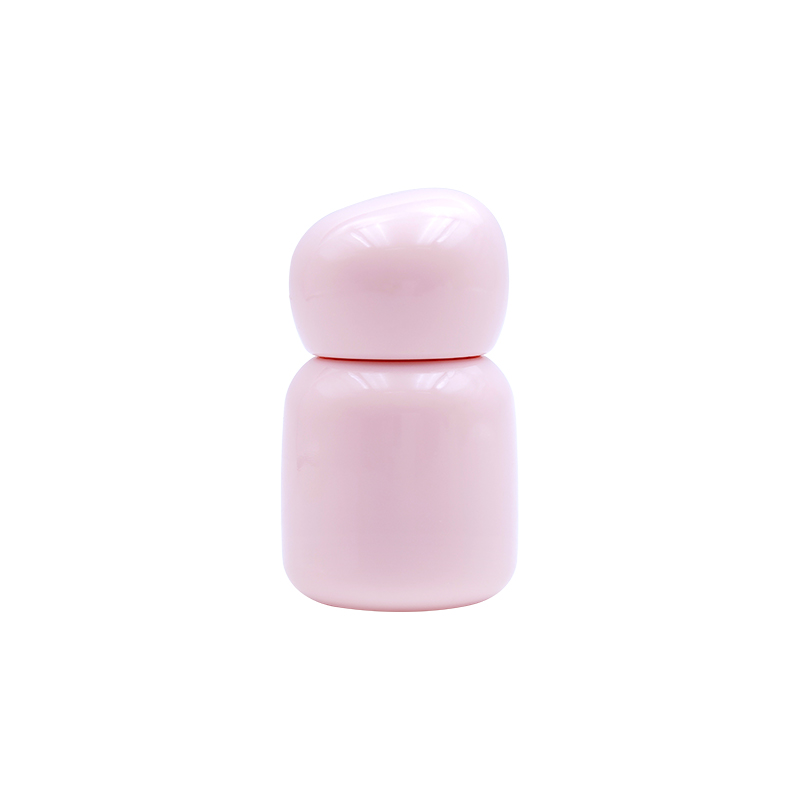
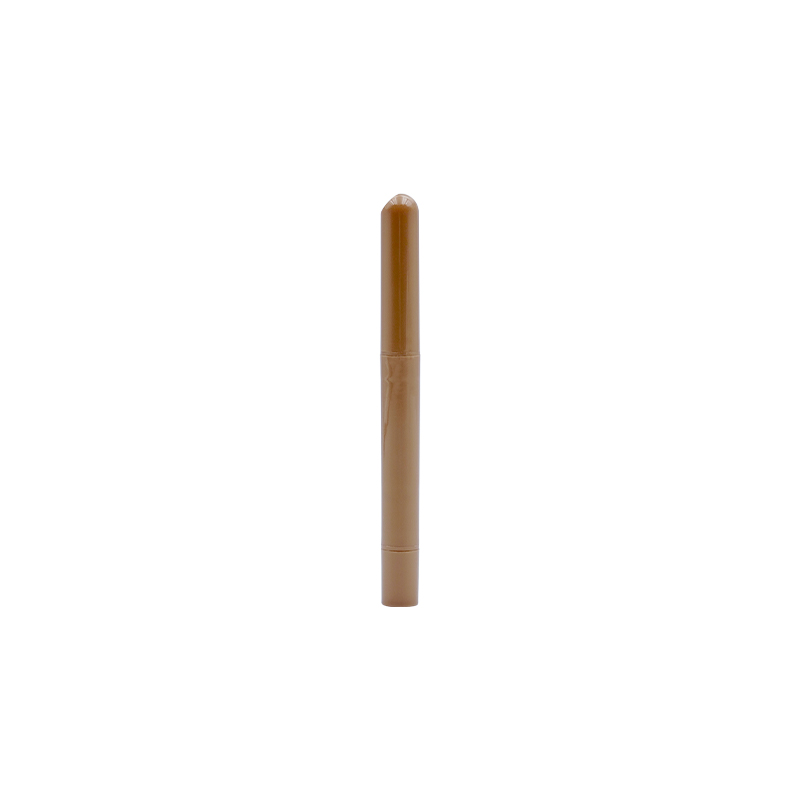
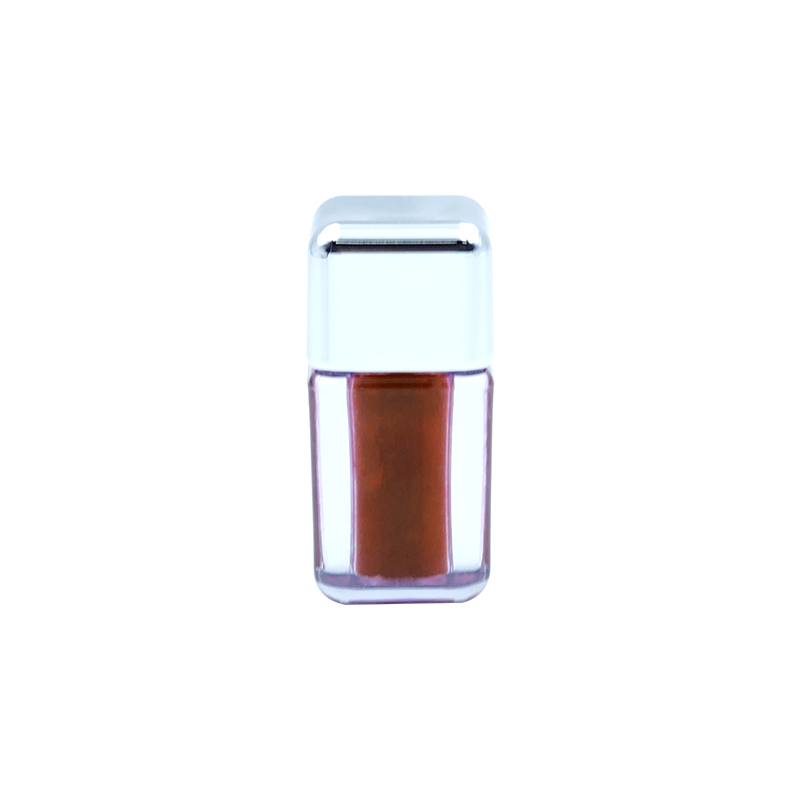
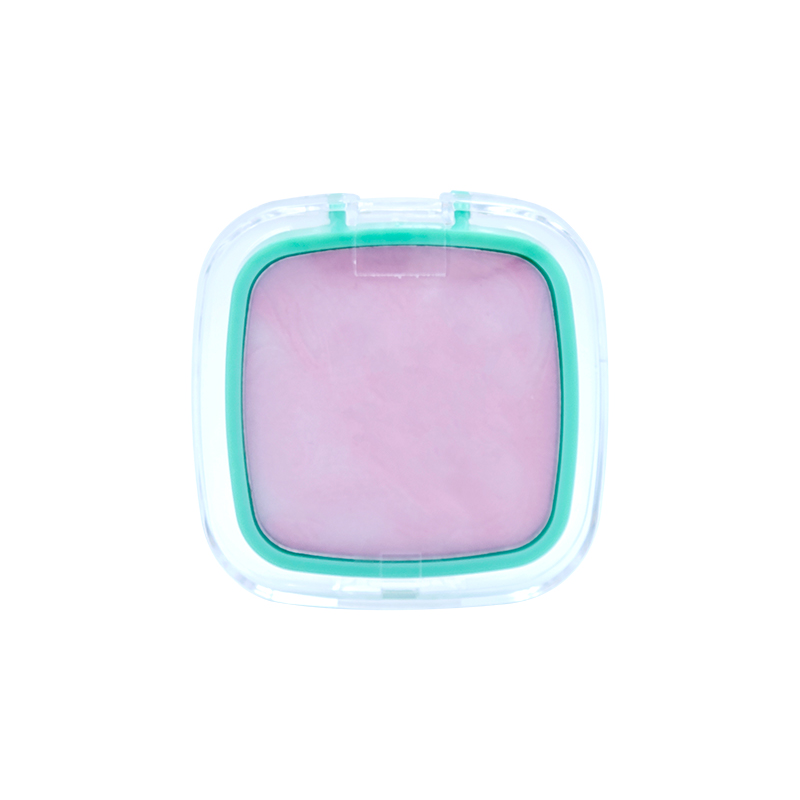
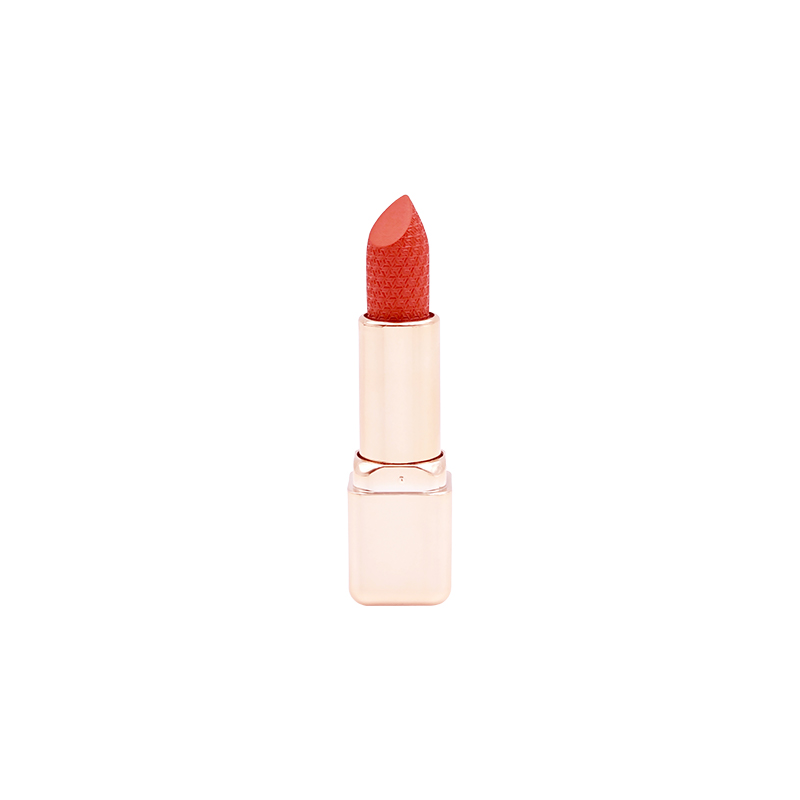
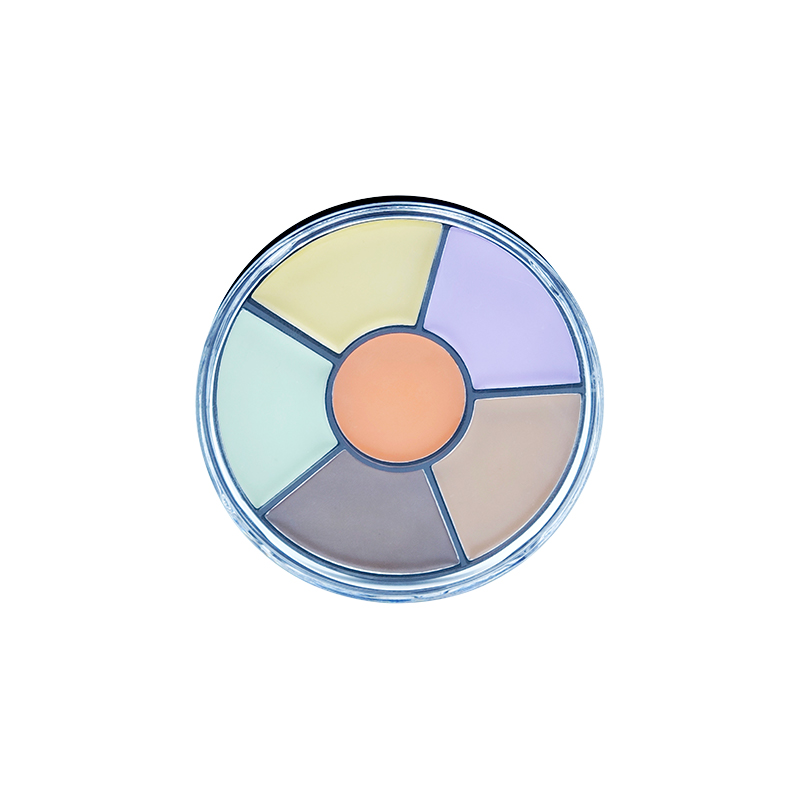
Choosing a lip product isn't only about finding a suitable color. Consumers also consider how the color appears, how i...
Lip makeup has traditionally focused on adding color, while lip care has focused on keeping the lips feeling comfortab...
A cheek color can change the way facial proportions are perceived without altering the actual shape of the face. When th...
Everyday eye makeup does not always need strong color or a clearly defined shape. For work, casual outings, or simple so...
Color combination practice is not simply about placing several shades together. It involves observing how colors change ...
Foundation creates a base for color makeup, so its surface condition can change how blush spreads and settles. A smooth ...


 No.333 Caihong Road,Linjiang Industry, Bailongqiao Town,Jinhua City, Zhejiang Province, China
 +86 13750973917+86 18248557685
 [email protected]
Copyright ©Zhejiang NiFei Cosmetic Co., Ltd. Rights Reserved.