
 SEARCH

 English
 Español
 Português

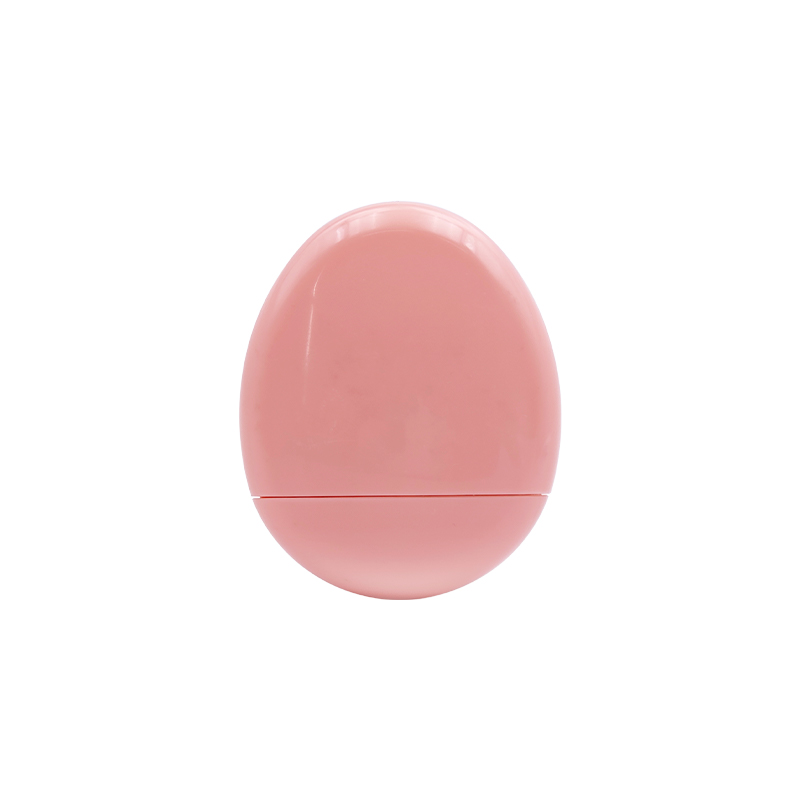
EGG-SHAPED BLUSH CREAM
TEXTURE OF CREAM MOUSSE THE PASTE IS SMOOTH AND HASGOOD COLOR VISIBILITY. Mo...
Daily eye makeup usually stays within a quiet range of color movement, since normal lighting environments such as office spaces, streets, or indoor mixed light do not demand strong contrast around the eyes, and the natural structure of eyelids already carries enough contour that only light adjustment is needed to create a clearer but still soft visual effect.
A 9 Color Eyeshadow Palette fits this kind of routine because tones are already arranged in a related progression, allowing light, medium, and deeper shades to sit within one compact system, which reduces the need to search across unrelated colors during application and keeps blending movement more continuous rather than segmented.
In actual daily conditions, eyelids also behave differently under changing light, where shadows shift slightly during blinking or facial movement, so softer layering often holds better visual stability since transitions between colors are less abrupt and more forgiving under movement.
A 9 Color Eyeshadow Palette usually contains a structured group of tones that gradually move from soft light shades toward deeper accents, and this arrangement allows eye makeup to be built step by step without needing complex color decisions at each stage of application.
Light tones generally support the base layer, mid tones help shape the eyelid structure, and deeper tones are reserved for outer definition, forming a simple internal logic that can be followed without switching between unrelated color groups.
In practice, this structure reduces visual inconsistency because tones already belong to the same family, so blending becomes more about pressure control and direction rather than correcting harsh color boundaries.
A simplified view of tone behavior in use:
| Tone Range | Application Area | Visual Effect |
|---|---|---|
| Light tones | Inner eyelid and base area | Soft brightness, even surface |
| Mid tones | Crease region | Gentle depth and natural structure |
| Deep tones | Outer corner | Subtle contour and edge definition |
Before any color is applied, eyelid surface condition plays a direct role in how evenly eyeshadow spreads, since natural skin texture, oil balance, and small uneven areas can influence pigment adherence across different zones of the eye.
When surface is too oily or uneven, color tends to gather in specific points rather than spreading smoothly, which makes blending appear patchy under close observation. A light preparation step helps reduce that effect by creating a more uniform surface for pigment placement.
In many practical routines, a thin base layer is applied not for color impact, but for stability, helping later tones from the 9 Color Eyeshadow Palette sit more evenly and blend without breaking into visible sections during movement.
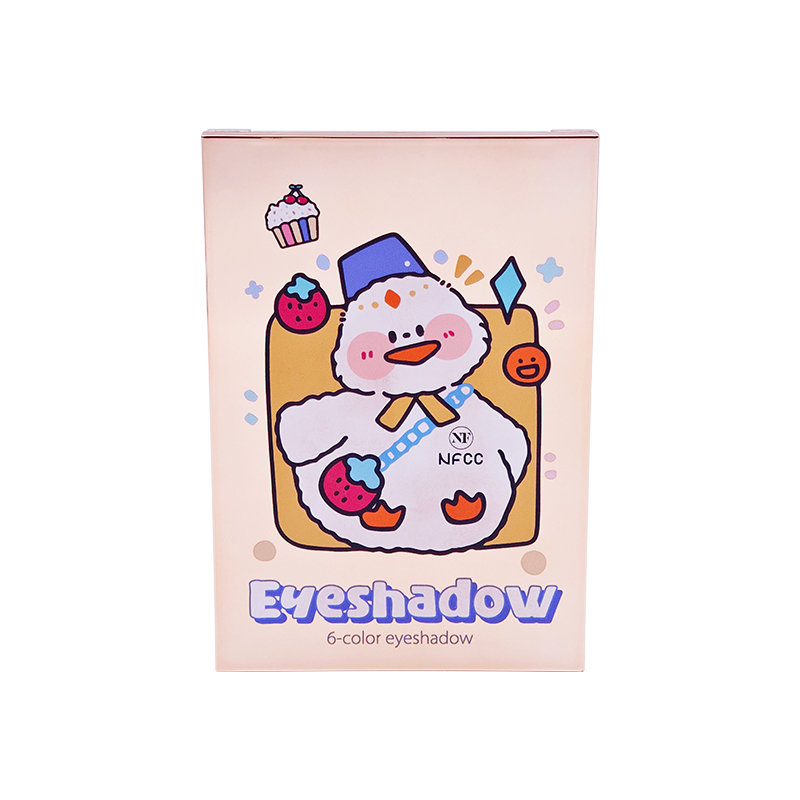
Base application usually starts with lighter shades from the palette, spread across most of the eyelid area in a controlled manner that focuses on evening out tone rather than building depth, since daily makeup often relies on softness instead of strong definition.
At this stage, blending motion stays wide and gentle, allowing color to extend across the eyelid without forming visible edges, so the surface appears continuous even before additional tones are introduced.
Instead of building contrast, base tones work as a unifying layer, reducing differences in skin tone across the eyelid so that later steps can integrate more smoothly without visible separation between color zones.
Mid tones from the 9 Color Eyeshadow Palette are typically placed around the crease or slightly above it depending on eyelid shape, and their role focuses on adding dimension in a way that follows natural eye curvature rather than creating defined lines.
Application at this stage tends to stay controlled and gradual, with pigment layered in small amounts and blended outward so that depth appears as a smooth transition instead of a sharp division between light and dark areas.
Blending between base and mid tones often determines how natural the final appearance feels, since overly sharp transitions can make the eye look segmented, while softer gradients allow the structure to remain visually connected even under changing light conditions.
Mid tones also act as a bridge between softness and definition, keeping the overall eye look balanced without shifting toward heavy contrast, which supports a more comfortable appearance for everyday wear.
Deeper shades inside a 9 Color Eyeshadow Palette usually stay near the outer corner during daily use, since that area already carries natural shadow from eye structure, and adding pigment there tends to adjust direction rather than rebuild the whole look.
Application at this stage stays small in scale, more like placing a soft shadow than painting a defined shape. The movement of the brush or fingertip tends to remain light, and color spreads outward only slightly before blending back into mid tones.
What matters more is how the edge dissolves. When darker pigment sits too clearly on top of lighter tones, the eye area starts to look separated into layers. When blending stays slow and repeated, the darker zone becomes part of the same surface, and depth appears without drawing attention to where it begins.
How inner corner light tones influence overall eye expression
Light shades placed near the inner corner tend to interact strongly with ambient light, since that region naturally reflects brightness during blinking and small facial shifts, and even a thin layer of highlight can change how open the eye area feels.
In daily application, inner corner brightness stays restrained, often limited to a small point rather than a wide area, since excessive light pigment can interrupt the quiet balance created by base and mid tones across the eyelid.
When blending is handled softly, inner brightness does not stand alone. It melts into surrounding tones, and the transition becomes gradual enough that the eye surface feels continuous instead of segmented into bright and dark zones.
A 9 Color Eyeshadow Palette does not rely on the number of shades used, since daily makeup rarely involves all tones at once. What shapes the final result is how each layer connects to the next during blending, and whether transitions feel continuous or interrupted.
A simple sequence often repeats itself: light tone across the lid, mid tone near the crease, deeper tone near the outer corner. Yet even with the same sequence, the result changes depending on pressure, direction, and how long blending continues between layers.
When blending stays patient and repetitive, edges lose their sharpness naturally. When blending stops early, boundaries remain visible, and the eye area starts to look divided instead of unified.
Different eye structures respond differently to the same 9 Color Eyeshadow Palette, even when tones remain identical. Round eyes often benefit from slightly extended outer shading that guides the visual line outward, while almond-shaped eyes already carry natural balance and need only soft adjustment around crease and outer corner.
Hooded eyelids often hide part of the lid area during open-eye position, so mid tones need careful placement slightly above the fold to remain visible, while smaller eye shapes usually gain openness through lighter inner corner tones and soft central blending rather than deeper outer emphasis.
Even with these differences, the palette itself stays unchanged. What shifts is placement intensity and blending distance, which slowly adapts the same colors to different structures.
Daily use of a 9 Color Eyeshadow Palette often becomes steady not through variation, but through repetition of familiar movement. Once a working pattern forms between base, mid, and deeper tones, application starts to follow the same path almost automatically.
Brush movement becomes predictable, blending pressure becomes familiar, and tone placement gradually requires less adjustment over time. Even lighting changes throughout the day feel less disruptive, since transitions between shades already sit in a controlled gradient.
With repeated use, the eye makeup routine settles into a quiet structure where color selection and blending rhythm align naturally, keeping the overall look consistent without requiring constant correction.

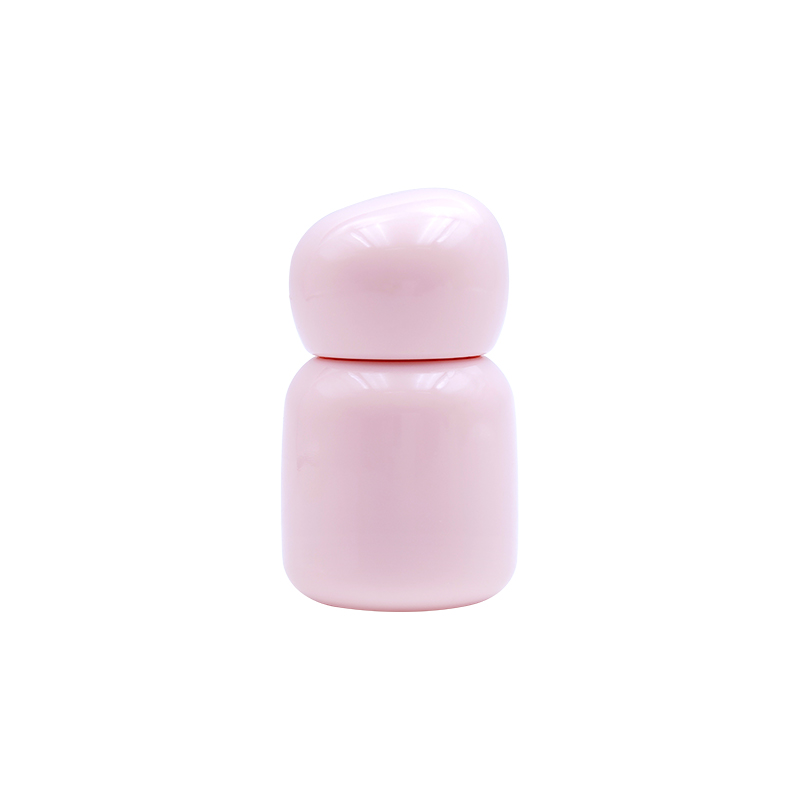

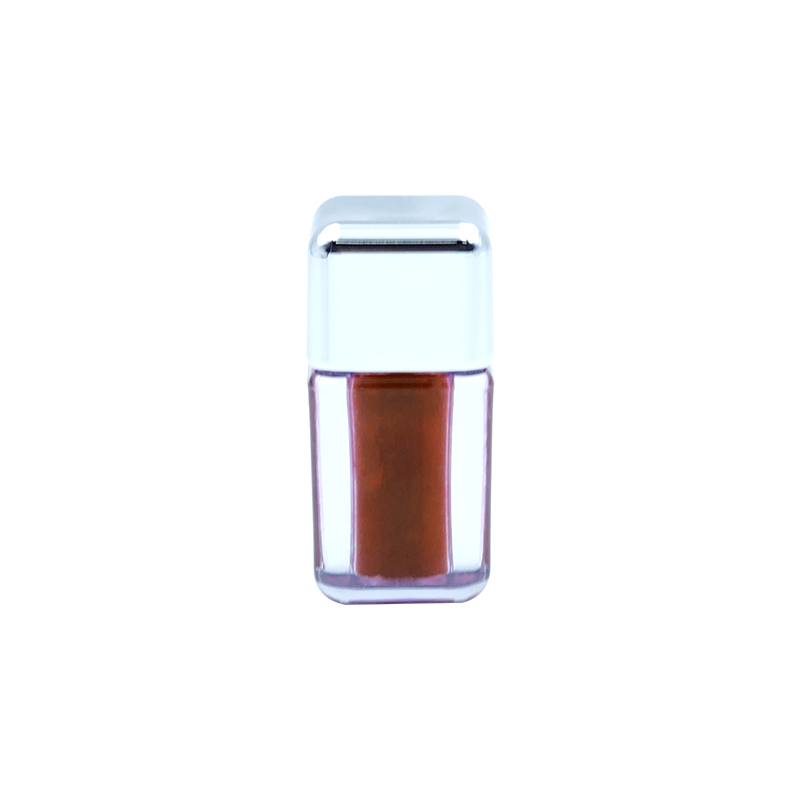
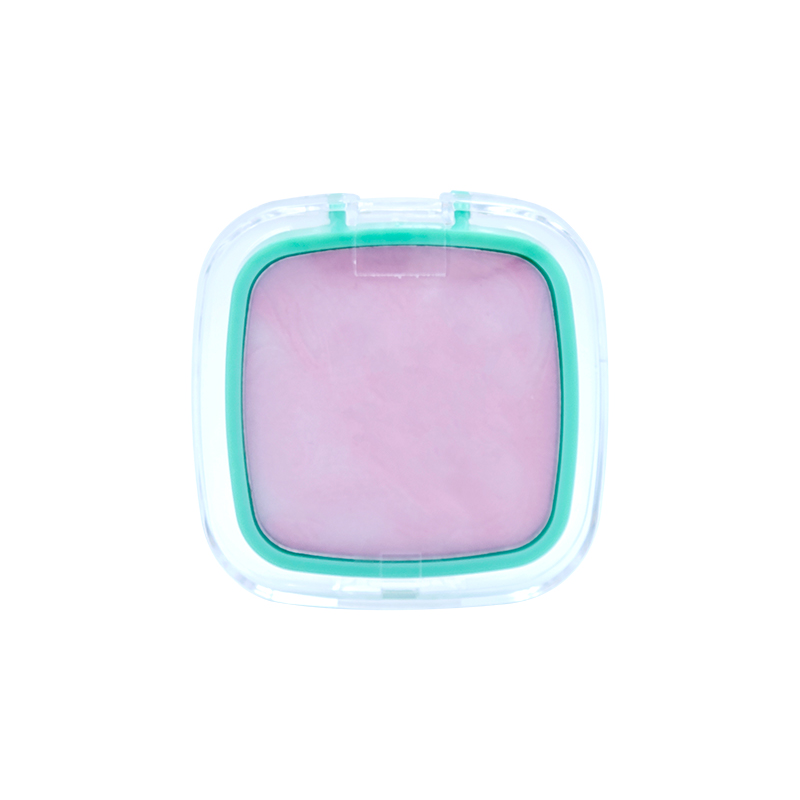
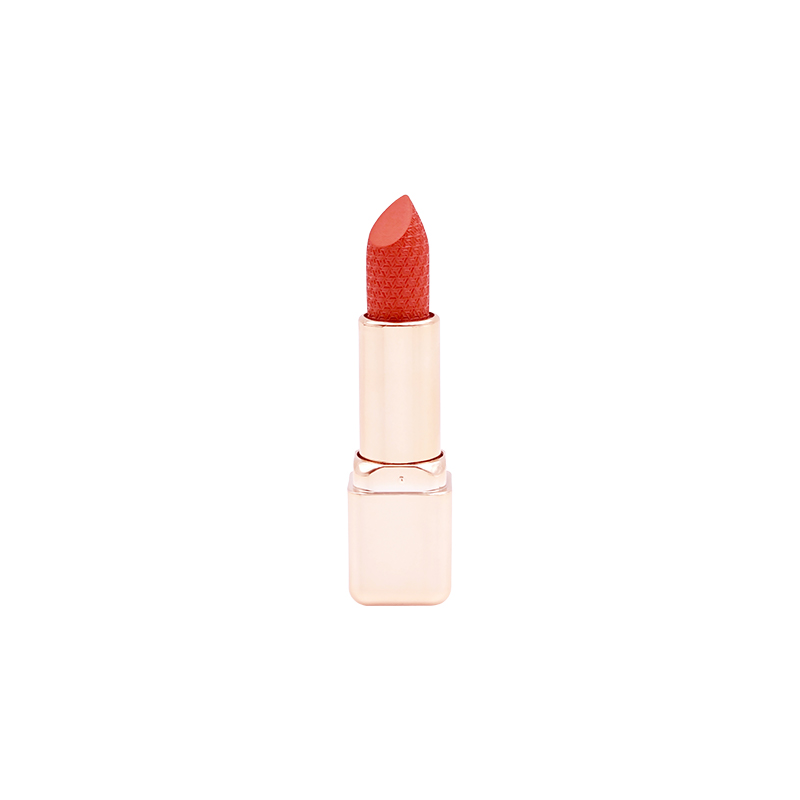
Lip makeup no longer has to mean one shade applied edge to edge. A soft tint can give a natural base, and a glossy oil...
Choosing a lip product isn't only about finding a suitable color. Consumers also consider how the color appears, how i...
Lip makeup has traditionally focused on adding color, while lip care has focused on keeping the lips feeling comfortab...
A cheek color can change the way facial proportions are perceived without altering the actual shape of the face. When th...
Everyday eye makeup does not always need strong color or a clearly defined shape. For work, casual outings, or simple so...
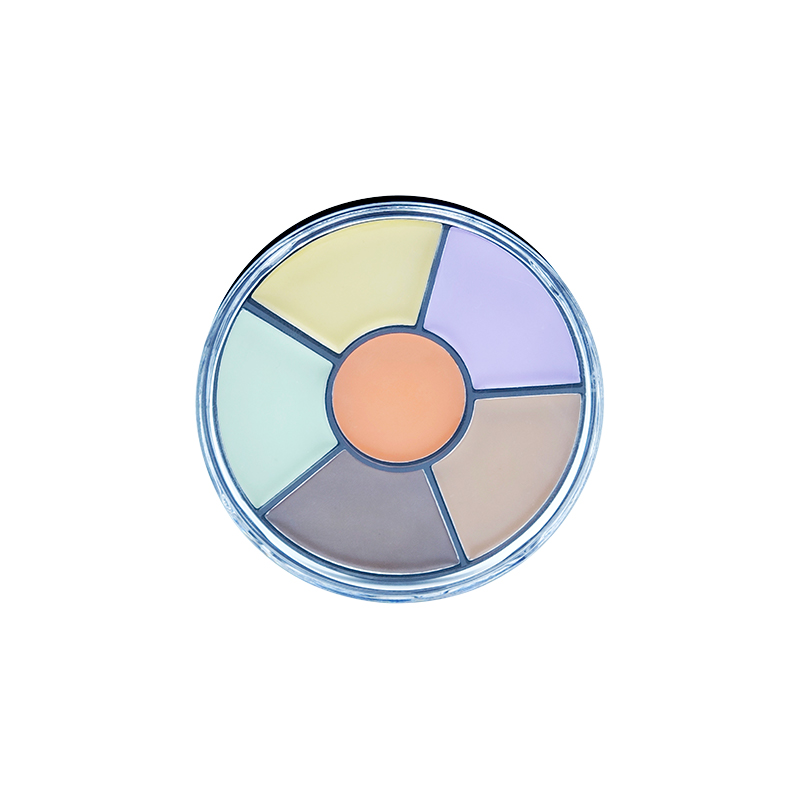
Color combination practice is not simply about placing several shades together. It involves observing how colors change ...


 No.333 Caihong Road,Linjiang Industry, Bailongqiao Town,Jinhua City, Zhejiang Province, China
 +86 13750973917+86 18248557685
 [email protected]
Copyright ©Zhejiang NiFei Cosmetic Co., Ltd. Rights Reserved.