
 SEARCH

 English
 Español
 Português

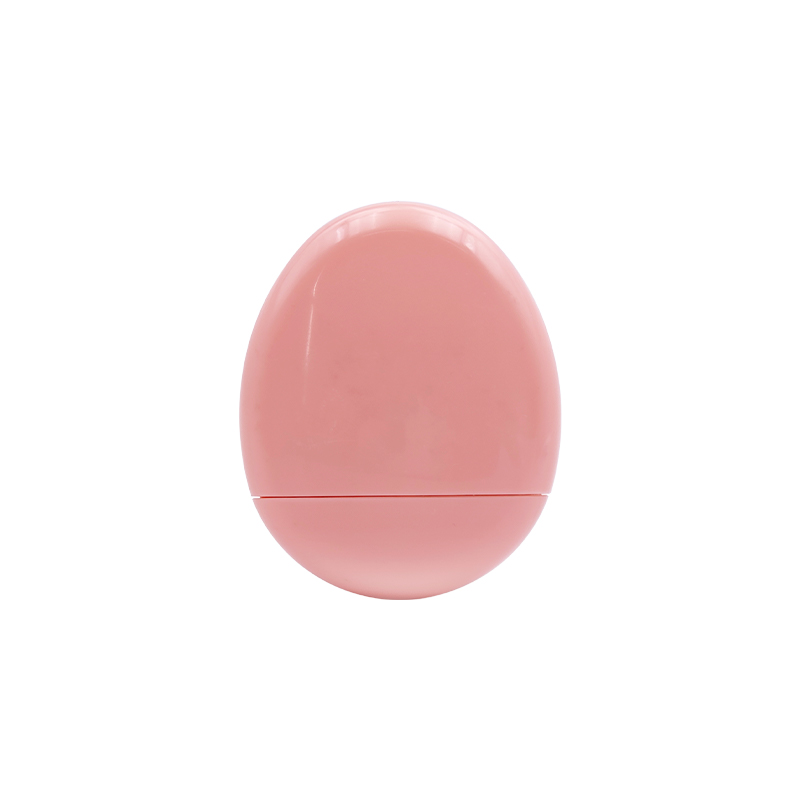
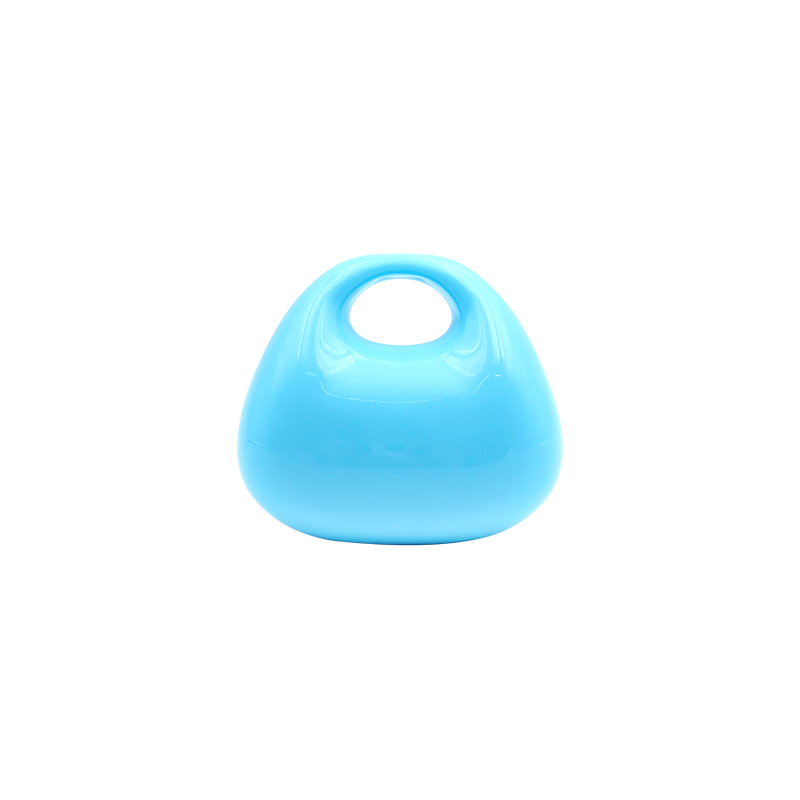
EGG-SHAPED BLUSH CREAM
TEXTURE OF CREAM MOUSSE THE PASTE IS SMOOTH AND HASGOOD COLOR VISIBILITY. Mo...
Natural daily makeup usually aims for a calm look, the kind that feels close to bare skin while still adding a small lift to the face. A Lip Color Changing Lipstick fits that habit because it does not behave like a fixed heavy shade. After application, the color often shifts a little, and that change gives the lips a softer presence without making the makeup look built up.
Many people reach for products like this when they do not want to spend too much time adjusting lip color during the day. A quick swipe can be enough for morning wear, then the tone settles on its own. That makes the product useful in daily routines where makeup needs to stay simple and comfortable.
Light also changes how the color is seen. Indoor lighting may leave the lips looking lighter and quieter, while sunlight can bring out a slightly deeper tone. The shift is usually gentle, which suits makeup styles that lean toward natural rather than dramatic.
Comfort matters as well. A product that feels light on the lips and does not sit in a thick layer tends to work better for everyday wear. People often notice the feeling of the product before they notice the color, so texture has a real place in the choice.
A Lip Color Tint gives a different kind of finish. Instead of sitting on the lips as a strong layer, it spreads into a thin wash of color that still allows the natural lip tone to show through. That is part of why the result often looks softer and more relaxed.
The effect usually begins with a light application. Once the tint touches the lips, it blends with the surface rather than covering it completely. Natural moisture plays a role here, since it helps the color settle in a way that looks less flat and more blended.
The final shade does not always appear the same right away. A short setting period may pass before the tint reaches its final look. During that time, the color often looks more even and slightly deeper, while still staying close to a natural lip finish.
Lip condition also affects the outcome. Dry lips, hydrated lips, and lips with slightly different base tones may all show a different result with the same product. That variation is one reason lip tints can look personal rather than overly uniform.
For daily makeup, that kind of gentle effect often feels easier to wear. It gives enough color to make the lips look finished, while still keeping the overall face soft and light.
At first glance, both products seem to serve a similar purpose. They each add color to the lips in a way that feels lighter than classic full-coverage lipstick. Once they are worn, though, the difference becomes easier to notice.
A Lip Color Changing Lipstick is more reactive. Its color may shift depending on lip moisture, temperature, or the way it settles after application. The look can change a little through the day, which gives it a more adaptive feel.
A Lip Color Tint behaves in a steadier way. The shade remains closer to the tone formed after application and usually stays sheer. The finish is softer, with less visible variation once the product has set.
Texture also separates the two. Changing lipstick often has a more structured formula that feels slightly more present on the lips, while a tint usually spreads thinner and lighter. One leans toward adaptive color, the other toward quiet transparency.
| Feature | Lip Color Changing Lipstick | Lip Color Tint |
|---|---|---|
| Color behavior | Adjusts after application | Stays close to the set tone |
| Lip feel | Slightly more structured | Lighter and thinner |
| Visual finish | Soft but more responsive | Sheer and close to natural tone |
| Daily use style | Flexible everyday wear | Quiet, minimal enhancement |
Both can work well in natural makeup. The choice often depends on whether a person prefers a bit of color movement or a steadier soft tint.
Some daily routines suit a Lip Lipstick better than others. When the day starts quickly and there is little time for careful makeup layering, one product that adjusts on its own can save effort.
It also works well in places where lighting changes during the day. A look that feels soft indoors and slightly fuller outdoors can help the lips stay balanced across different settings without needing extra touch-ups.
That kind of lipstick may also feel right for people who like a natural appearance but still want a little color shift. It does not need to look bold to feel finished. A mild change in tone can be enough to make the makeup look complete.
Long wear is another reason it often gets attention. When makeup needs to stay comfortable for work, errands, or casual outings, a product with a lighter feel usually fits better than one that feels heavy or high maintenance.
Natural lip tone plays a bigger role than many people expect. Every lip surface has its own moisture level, texture, and underlying shade. Once a product is applied, it mixes with those details rather than replacing them completely.
A Lip Color Tint often blends into the natural base and gives the lips a soft wash of color. The final result may look slightly different from person to person, even when the same product is used. That kind of variation often makes the finish feel more personal.
Lip color changing formulas react in a more noticeable way. The tone may deepen or shift depending on the condition of the lips, which adds another layer of variation. The result still stays subtle, though it is less fixed than a tint.
The interaction between product and natural lip tone is part of what gives these formulas their appeal. They work with the lips instead of covering them in a heavy layer, which fits the direction of everyday natural makeup.
Application style can change the final look of a Lip Color Tint more than many people expect. A light single layer often gives the softest effect, where the lips look slightly colored but still close to their natural tone. That kind of finish usually fits daily makeup where less visual weight feels more comfortable.
When a second layer is added, the tone becomes a little deeper. The surface still keeps a thin texture, yet the color becomes easier to notice. The change is gradual rather than sudden, which helps the lips keep a natural balance instead of a heavy painted look.
Blending also plays a role. A gentle tap along the edges of the lips can soften the outline, making the transition between lip and skin less visible. That step is often used when the goal is a relaxed, slightly blurred lip effect.
Timing after application matters as well. After a short period, the tint settles into the lip surface, and the tone becomes more even. During this stage, the color often looks more stable and smoother compared with the initial application moment.
Daily makeup trends have been moving toward lighter expression. Heavy layers and sharp contrast often feel less aligned with everyday routines where comfort and simplicity matter more. That shift has influenced how lip products are designed and used.
Many users now prefer products that look natural under different lighting conditions. A lip color that feels soft indoors and still looks balanced outdoors fits better into modern daily life. Because of that, both Lip Color Changing Lipstick and Lip Color Tint continue to appear in natural makeup routines.
Another trend is reduced layering. Instead of combining multiple lip products, a single step that gives a complete but subtle look feels more practical. That approach saves time and keeps the makeup appearance clean.
Texture has also become more important. Lightweight formulas that do not feel heavy during long wear are often preferred. The feeling of comfort has become just as important as the final visual result.
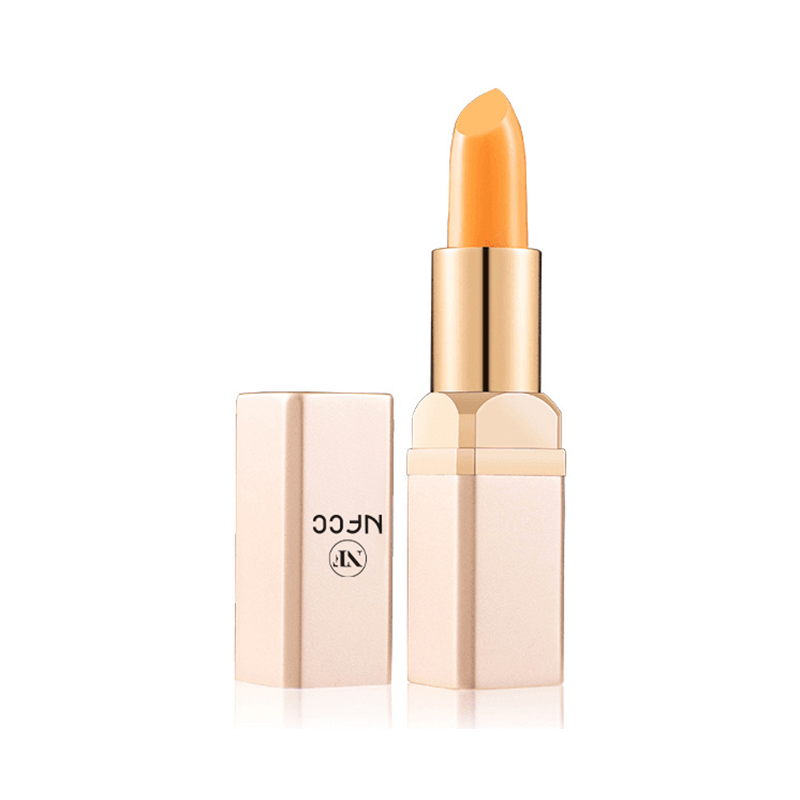
Texture shapes how a Lip Color Changing Lipstick feels during use and how the color appears after application. A smoother texture spreads more evenly, which helps the color settle without uneven patches.
When the formula is too thick, the lip surface may feel coated, which can reduce the natural effect that many users prefer. A lighter structure usually supports a softer transition between lip tone and product color.
During wear, texture also influences comfort. A lightweight feel allows the product to stay on the lips without drawing attention to itself. That quiet presence is often preferred in daily makeup where strong visual impact is not the goal.
Color development is connected to texture as well. A balanced formula allows the lip color to adjust gradually instead of changing too abruptly. That slower shift helps maintain a natural appearance throughout the day.
Modern beauty routines often focus on simplicity and adaptability. Many people prefer makeup that fits into daily life without requiring frequent adjustments. In that environment, both Lip Color Changing Lipstick and Lip Color Tint have a clear place.
Lip Color Tint usually supports a steady, soft enhancement. It gives a light finish that blends into natural lip tone and works well for quiet, everyday looks. It does not demand much maintenance during the day, which suits simple routines.
Lip Color Changing Lipstick offers a slightly different experience. The color may shift in response to lip condition or environment, creating a more adaptive appearance. That flexibility can feel useful when daily settings are not always the same.
In some routines, both products may even appear together in different situations. One may be used for a very soft base look, while the other is chosen when a bit more variation is preferred. The choice often depends on how much visual change feels appropriate for the day.
Natural makeup continues to move toward softer expression. Instead of strong color blocks, the focus stays on subtle adjustment and balance. Lip products in this category support that direction by working with the natural lip tone instead of covering it completely.
Lip Color Tint fits into that idea by adding a thin layer of color that still allows the original lip texture to show through. Lip Lipstick adds another layer of variation by adjusting slightly after application.
Both approaches share a similar goal. They keep the lips looking natural while still giving a sense of definition. The final effect remains light, wearable, and easy to match with everyday facial makeup.
As daily routines continue to value comfort and simplicity, lip products that follow natural tone rather than replace it are likely to remain closely connected to that direction.

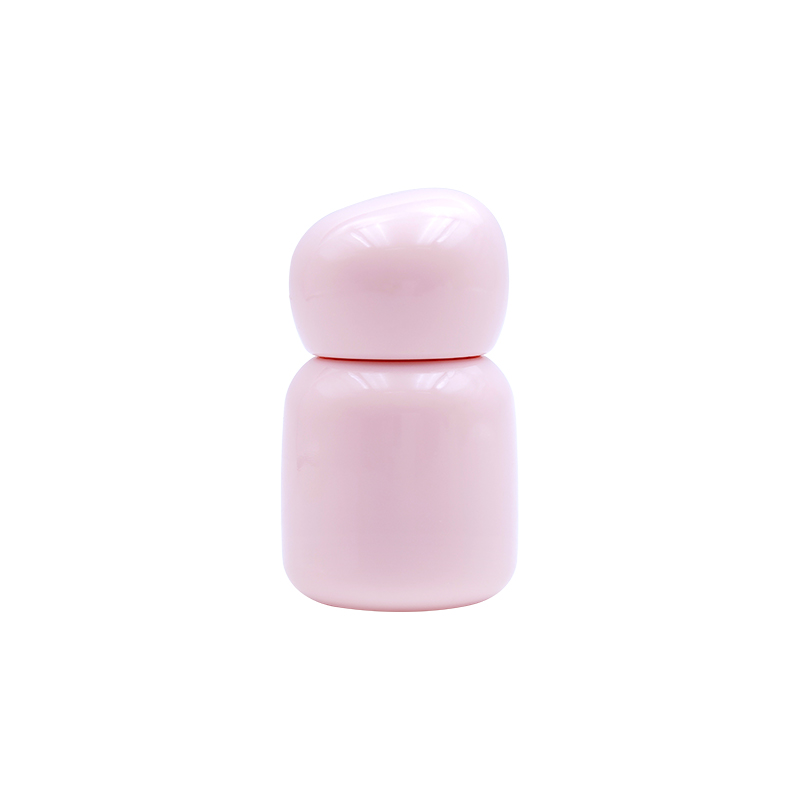
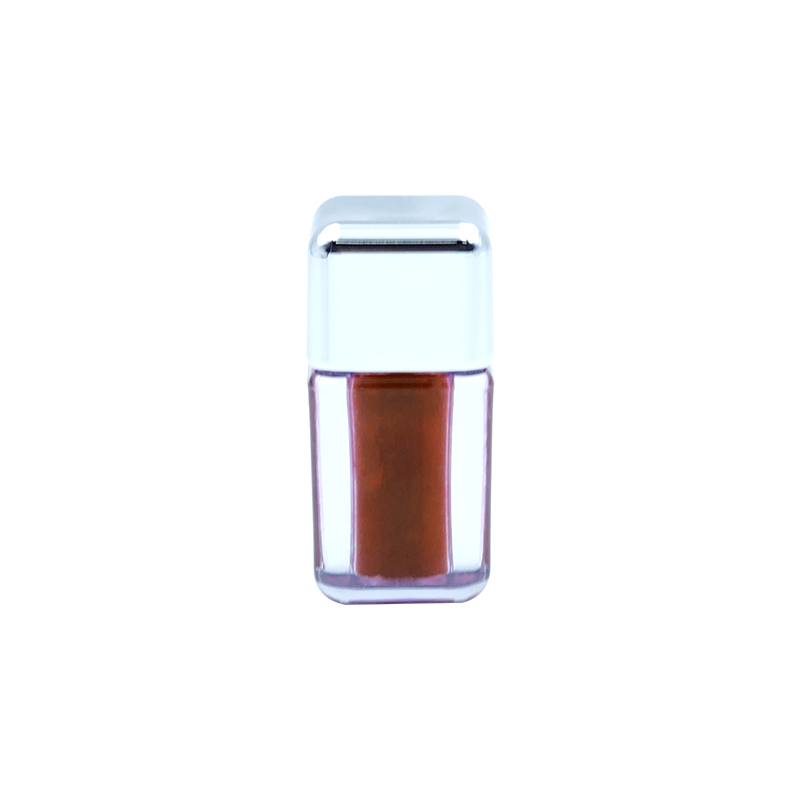
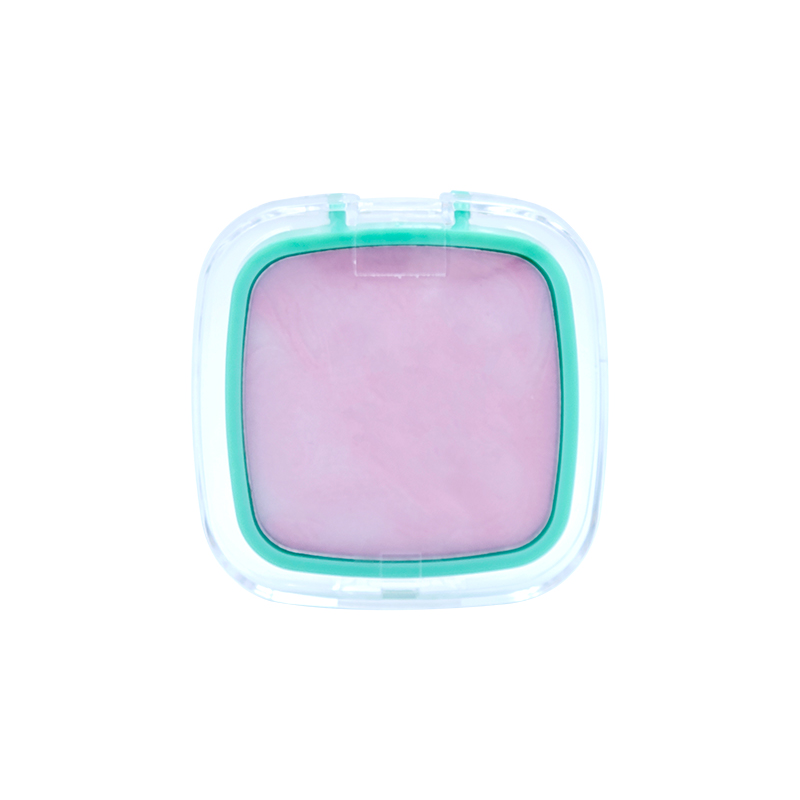
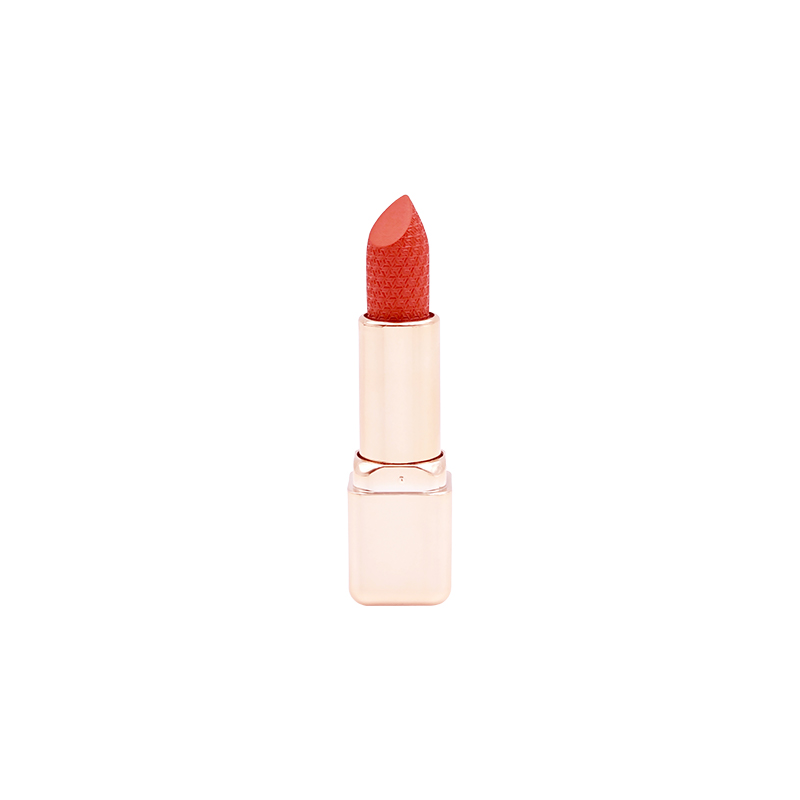
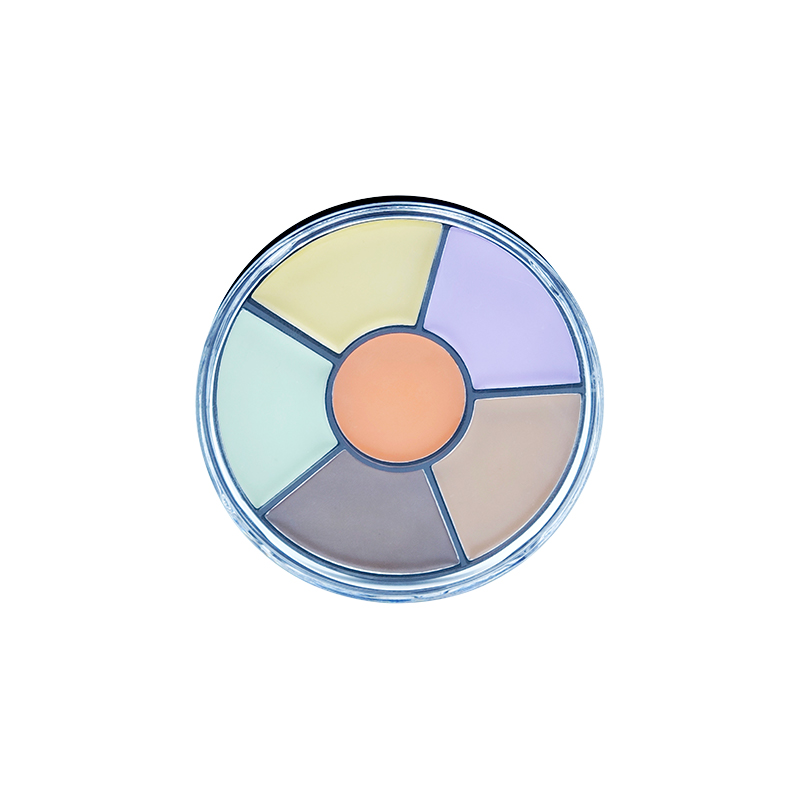
A cheek color can change the way facial proportions are perceived without altering the actual shape of the face. When th...
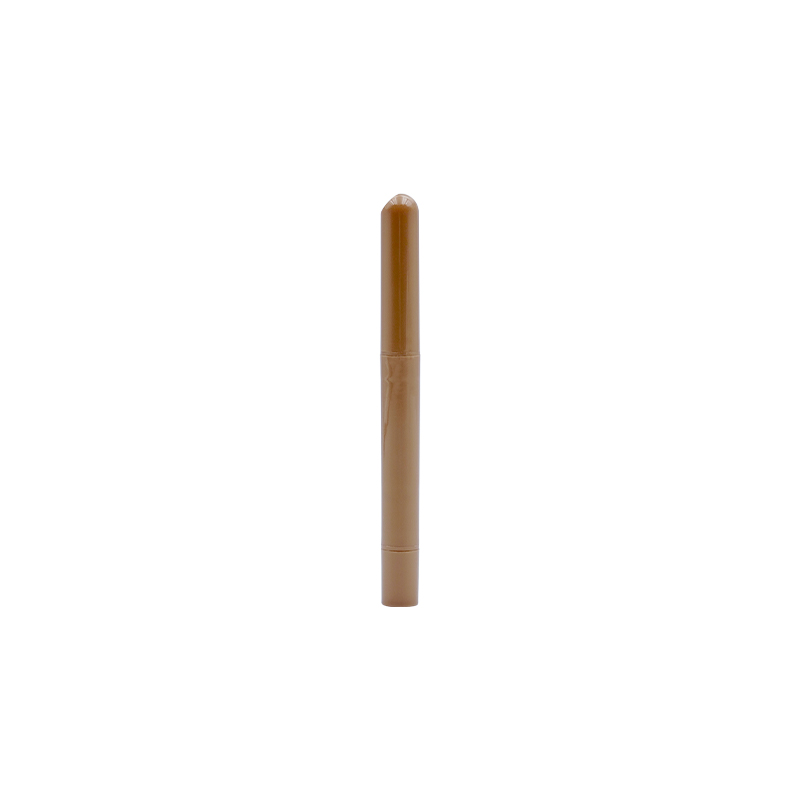
Everyday eye makeup does not always need strong color or a clearly defined shape. For work, casual outings, or simple so...
Color combination practice is not simply about placing several shades together. It involves observing how colors change ...
Foundation creates a base for color makeup, so its surface condition can change how blush spreads and settles. A smooth ...
Blush color selection has become more varied as makeup habits move between soft daily looks, warm tones, muted shades, a...
Pink can look surprisingly different from one face to another. A soft pink may appear fresh and light on fair skin, whil...


 No.333 Caihong Road,Linjiang Industry, Bailongqiao Town,Jinhua City, Zhejiang Province, China
 +86 13750973917+86 18248557685
 [email protected]
Copyright ©Zhejiang NiFei Cosmetic Co., Ltd. Rights Reserved.