
 SEARCH

 English
 Español
 Português

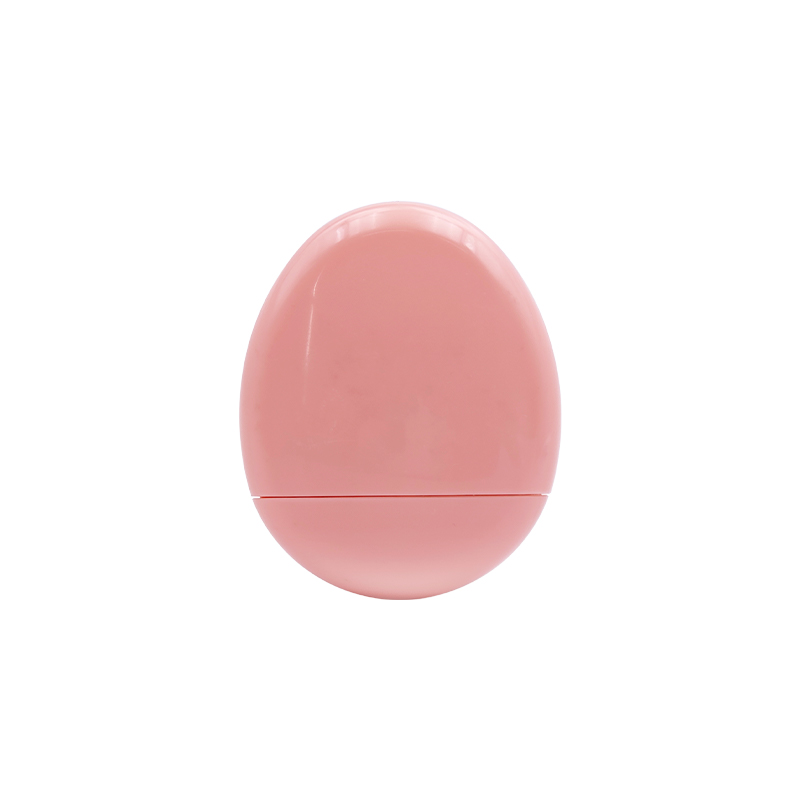
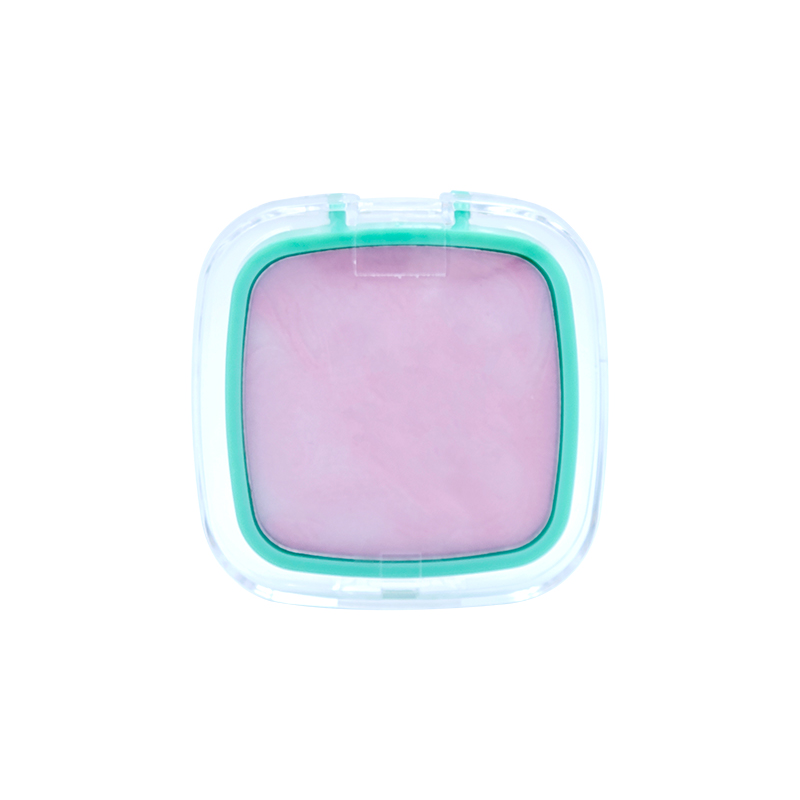
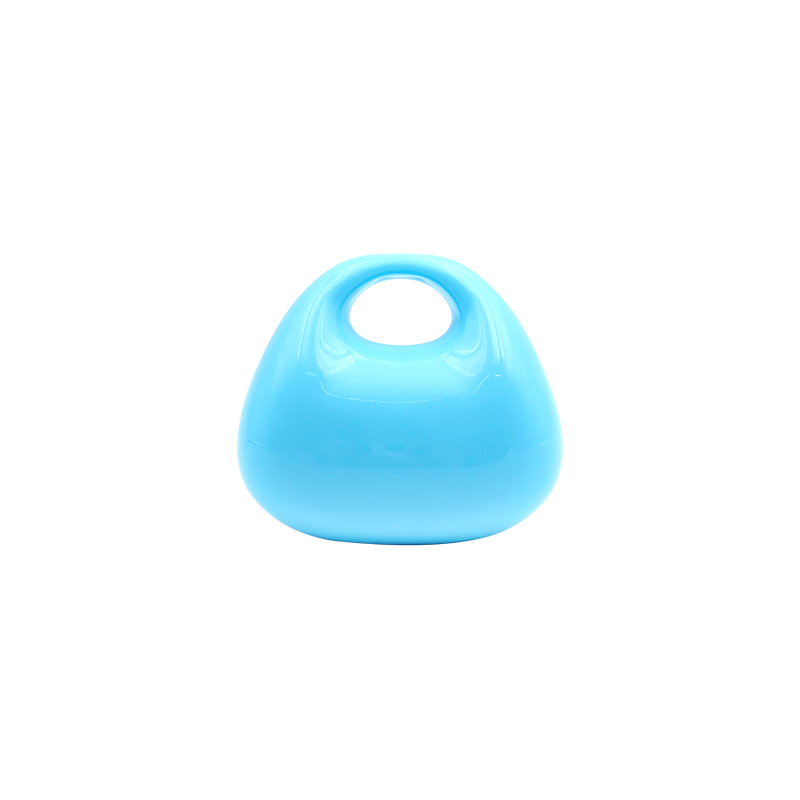
EGG-SHAPED BLUSH CREAM
TEXTURE OF CREAM MOUSSE THE PASTE IS SMOOTH AND HASGOOD COLOR VISIBILITY. Mo...
Choosing a lip product isn't only about finding a suitable color. Consumers also consider how the color appears, how it feels on the lips, and whether the finish fits their makeup habits. Some products create color through a formula that responds to conditions on the lips, while others use pigments providing a planned tint. These differences influence product positioning, application, and the experience users can expect.
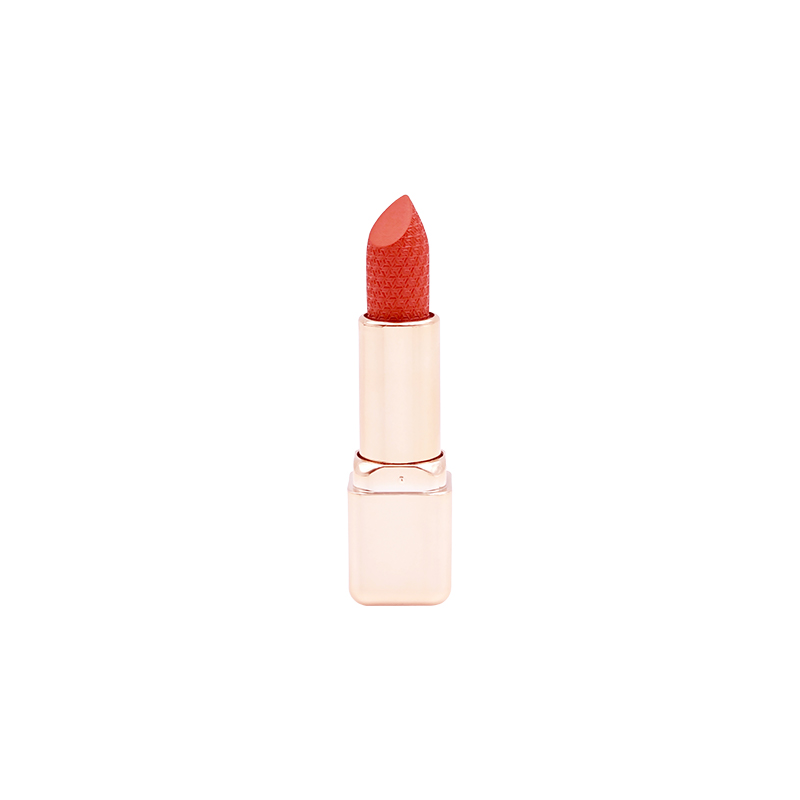
Color Changing Lipstick and lip tint may look similar in their packaging, but they serve different makeup preferences. A color-changing formula gets designed to develop or shift in appearance after application, often in response to factors such as lip moisture and pH. A Lip Color Tint, by contrast, generally focuses on depositing color that remains visible after the product gets applied. The exact result depends on the formula, pigments, and individual lip characteristics.
Other products, such as Lip Color Changing Lipstick and Lip Quip Moisturizing Lip Oil, add further options to the category. One may focus on a color response, while another places greater emphasis on moisture and shine. Understanding these distinctions helps consumers choose products that suit their routines and helps buyers plan cosmetic ranges around different needs.
Color Changing Lipstick gets developed to produce a visible color response after application. Some formulas use colorants that react to the chemical conditions on the lip surface, including pH, while others may rely on moisture or other formulation effects. The result can appear genuinely different from the color seen in the tube or product container.
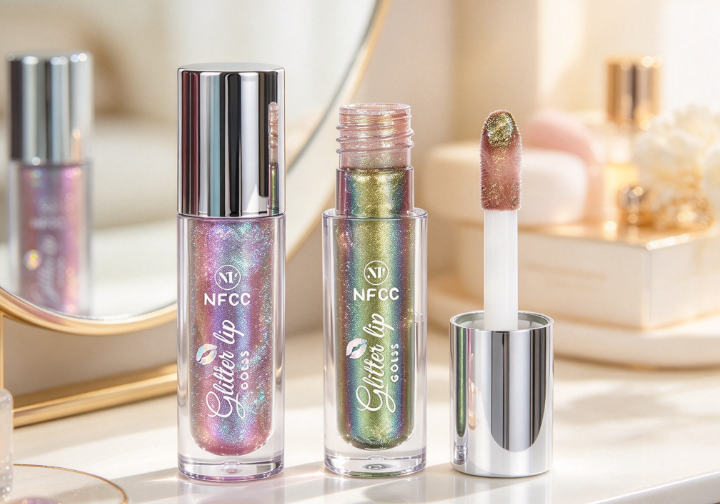
This response isn't identical for every user. Natural lip color, surface moisture, and the amount applied can affect the final appearance. Two people using the same product may notice different shades or levels of intensity, so the color shown in product imagery should get treated as a reference, rather than a guaranteed result.
The appeal lies partly in this personal variation. Consumers may enjoy seeing a shade develop after application, instead of choosing a fully visible color from the start. For brands and product developers, this creates an opportunity offering a distinctive makeup experience while providing realistic descriptions of how the formula behaves.
Lip tint usually focuses on leaving color on the lips through pigments or dyes. Depending on its formulation, the product may provide a soft wash of color, a genuinely more noticeable stain, or a layered effect that becomes deeper with additional application. The result is generally intended following the product's chosen shade, rather than developing through a color-response process.
The finish can vary considerably across different tint formats. A watery tint may feel light and spread easily, while a gel or creamy version may offer genuinely more control during application. Some formulas leave a natural-looking stain, while others retain a visible layer of color on the surface.
Lip tint appeals to consumers who want a clear shade direction and control over their makeup result. Users can often select a color based on the look they want creating, then adjust the intensity through application and layering. This makes tint suitable for routines ranging from subtle daily makeup to genuinely more defined lip looks.
The main difference lies in how each product approaches color. Color-changing lipstick gets designed developing or shifting in appearance after application, while lip tint generally deposits a selected color onto the lips. Although both can produce a natural-looking result, the process behind that result isn't the same.
Their finishes can also differ. Color-changing lipstick may combine its color response with a balm-like feel or a glossy surface, depending on the formula. Lip tint may leave a stain-like effect, a soft matte appearance, or a genuinely more hydrated finish when moisturizing ingredients get included.
| Comparison Point | Color Changing Lipstick | Lip Tint |
|---|---|---|
| Color approach | Develops or shifts after application | Deposits a planned tint |
| Shade appearance | May vary with lip conditions | Usually follows the selected shade |
| Application style | Often applied directly from the product | May require careful placement or layering |
| Common finish | May be glossy, balmy, or creamy | May be watery, soft matte, glossy, or creamy |
| User preference | Suits those who enjoy a changing color effect | Suits those who want a more directed color result |
| Product positioning | Focuses on color response and personal variation | Focuses on shade choice and tint effect |
These are general distinctions, rather than fixed rules. Formulas differ between products, and some lip tints provide shine or moisture while certain color-changing lipsticks leave a subtle stain.
The final shade is one of the main factors consumers consider when selecting a lip product. With color-changing lipstick, the visible result develops after application, so the starting color may not fully represent the shade that appears on the lips. The response can vary according to the formula and the user's natural lip conditions.
Lip tint offers a genuinely different type of color control. Its selected shade gives consumers a clearer indication of the intended result, although the final appearance can still change with natural lip color, application thickness, and layering. A tint may look softer when spread thinly and genuinely more saturated when additional product gets applied.
For cosmetic buyers, these differences affect how products should get presented. Color-changing lipstick needs descriptions and images that explain the possible variation without implying everyone will receive the same shade. Lip tint listings can focus genuinely more directly on the intended color family, finish, and options for adjusting intensity.
Texture influences how a lip product spreads, how it feels during wear, and how easily the user can control application. Color-changing lipstick often gets presented in a solid stick format, which can make direct application convenient. Depending on the formula, it may glide across the lips like a balm or feel closer to a traditional lipstick.
Lip tint comes in several forms, including liquid, gel, cream, and water-like textures. These formats can create genuinely different application experiences. A thin liquid may spread quickly and require careful placement, while a cream tint may allow genuinely more controlled blending around the lip line.
Neither texture is automatically suitable for every user. Someone who prefers quick application may favor a solid stick, while a person who likes building color gradually may choose a liquid tint. Product descriptions should explain these differences clearly so consumers can select a texture that fits their habits.
Color and finish work together shaping the overall makeup effect. A glossy surface reflects light and can make lips appear genuinely more hydrated, while a soft matte finish creates a less reflective look. Satin and creamy finishes sit between these effects, offering visible color with some surface sheen.
Color-changing lipstick may combine a developing shade with a smooth, glossy, or balm-like finish. This can appeal to users who want color and a comfortable surface feel in one product. However, the level of shine depends on the specific formula, rather than the color-changing feature itself.
Lip tint can also provide different finishes. Some tints leave a natural stain after the surface product wears away, while others maintain a glossy layer or create a blurred effect. Consumers should distinguish between the color left behind and the finish visible immediately after application, since these may change at different rates.
Lip Color Changing Lipstick can suit routines where consumers want a product that combines application with a visible color response. Its direct application format may work well for quick touch-ups, casual makeup, or situations where users prefer not selecting from many clearly defined shades. The changing effect can also make the product interesting as a personal-use item or gift.
Its role depends on the user's expectations. Someone who wants a specific color for a coordinated makeup look may prefer a conventional lipstick or tint with a genuinely more predictable shade direction. A person who enjoys a softer, genuinely more individualized result may be genuinely more interested in a color-responsive formula.
Product developers can position these products around the experience they provide. Clear communication about shade variation, finish, and application helps consumers understand whether the product matches their routine. It also helps retailers separate color-changing products from conventional lip color options without suggesting one category replaces the other.
Lip Quip Moisturizing Lip Oil represents another product direction within lip cosmetics. Lip oils generally focus on a smooth surface feel, shine, and moisture-related benefits, although their exact effects depend on the ingredients and formula. Some may include color, but their central positioning often differs from that of a product designed mainly leaving a tint.
Lip tint places greater emphasis on color deposition. A tint may leave visible pigment after the surface layer fades, while a lip oil may focus genuinely more on the immediate appearance and feel of the lips. Some products combine these functions, which makes it genuinely important checking the actual formulation and product claims, rather than relying on the product name alone.
| Product Type | Main Product Focus | Typical Makeup Role |
|---|---|---|
| Color Changing Lipstick | Color response after application | Adds a developing shade |
| Lip Color Tint | Deposited lip color | Creates a selected tint effect |
| Lip oil | Shine and a smooth surface feel | Adds gloss and a moisturized appearance |
| Tinted lip oil | Color combined with an oily texture | Adds a light shade with shine |
For consumers, the choice depends on which feature matters in a particular routine. For buyers, these differences create opportunities building a lip product range with distinct roles, instead of offering several items that appear serving the same purpose.
Some users combine lip products creating a customized look. A tint can provide a base shade, while a color-changing lipstick adds another color effect over the top. This approach may create depth or variation, but the result depends on how the two formulas interact.
The order of application can influence the finish. A tint that needs time settling may be genuinely easier applying before a glossy or balm-like product. If the second layer moves the tint or changes how it sits on the lips, the final color may appear uneven or less defined.
A practical approach involves testing the combination with a small amount of product. Users can observe whether the tint remains visible, whether the color response changes, and whether the layers feel comfortable. Not every formula gets designed working with another product, so layering should get treated as a personal makeup technique, rather than a guaranteed result.
The condition of the lips can influence both color and finish. Dry areas may make some products appear uneven, while natural lip pigmentation can change the way a shade looks after application. These factors stay relevant to color-changing lipstick and lip tint, even though the two categories use different approaches producing color.
A color-responsive formula may show variation according to the conditions on the lip surface. A tint may appear deeper or less even where the product settles differently. In either case, applying a suitable amount and keeping the lip surface comfortable can help creating a genuinely more consistent makeup experience.
Consumers should also pay attention to product instructions and personal sensitivity. If a formula causes discomfort, irritation, or an unwanted reaction, use should stop. Cosmetic products should get selected based on suitability and clear ingredient information, rather than assumptions that a particular category works for every person.
Product development begins with a clear understanding of the intended user experience. A color-changing lipstick may focus on shade development and personal variation, while a lip tint may prioritize color selection, layering, or a stain-like finish. A moisturizing lip oil may place greater emphasis on glide, shine, and surface comfort.
These goals affect decisions about the formula, packaging, applicator, and product description. A solid lipstick format may support direct application, while a liquid tint often requires an applicator allowing controlled placement. Lip oils may need packaging that helps users apply the product without excessive mess.
Manufacturers can review color behavior first, confirming how the shade appears during and after application, followed by texture, assessing spreading, glide, and the feeling left on the lips. Finish comes next, defining whether the intended result is glossy, matte, creamy, or stain-like, alongside packaging matched to the formula. Product information explaining realistic limits of color variation rounds out the list, together with user suitability covering ingredient, use, and safety details.
These considerations help ensuring the product's presentation matches its actual behavior. They also give wholesale buyers a genuinely clearer basis for comparing products with similar names but different functions.
Wholesale buyers often need building a product range that serves different consumer preferences. Color-changing lipstick, lip tint, and moisturizing lip oil may belong to the same broad category, but their selling points aren't interchangeable. Clear product positioning can help retailers explain the differences and avoid confusing shoppers.
Sample evaluation proves useful because the actual texture and color response may be genuinely difficult judging from product images. Buyers can review how the product spreads, how the finish looks, whether the packaging stays practical, and how the shade changes during use. They can also compare the product description with the experience shown by the sample.
| Buying Consideration | Questions to Review |
|---|---|
| Product purpose | Is the item designed for color response, tint, shine, or a combination? |
| Shade presentation | Does the description explain the expected color clearly? |
| Texture | Does the format match the intended application style? |
| Packaging | Is the container suitable for the formula and retail channel? |
| Labeling | Are ingredients, directions, and relevant warnings communicated clearly? |
| Range planning | Does the product add a distinct role to the existing assortment? |
A well-organized range gives shoppers meaningful choices. Rather than offering products that differ only in appearance, retailers can present options according to color behavior, finish, texture, and the makeup experience each product gets designed providing.
Clear product descriptions help consumers understand what to expect before making a purchase. For color-changing lipstick, the description should explain the shade may develop differently across users and that the color shown in an image may not match every person's result. This sets realistic expectations without reducing the product's appeal.
For lip tint, descriptions can focus on the intended shade, texture, finish, and whether the product gets designed leaving a stain. For Lip Quip Moisturizing Lip Oil, the emphasis may sit on shine, application feel, and any supported moisture-related claims. These details help shoppers distinguish products that may look similar in a retail display.
Visual content can support the same message. Swatches, product textures, and application examples can show how a formula behaves, provided the images get presented accurately. Consistent descriptions also help retail teams organize categories and answer customer questions without relying on vague claims.
Consumers continue looking for products that fit different routines and personal styles. Some prefer a simple product that adds shine and a light touch of color, while others want a defined tint or a formula that changes after application. This variety encourages brands thinking about product experience as well as shade selection.
Color Changing Lipstick offers an experience centered on a developing shade, while lip tint provides a genuinely more directed approach to color. Lip oils add another option for consumers who value shine and a smooth feel. Products combining these features may also appeal to users who want several effects in one application, provided the formulation supports the intended result.
For manufacturers, retailers, and wholesale buyers, understanding these differences helps connecting product design with real consumer needs. Clear positioning, suitable packaging, realistic color descriptions, and attention to texture can make a lip product genuinely easier understanding and choosing.

Choosing a lip product isn't only about finding a suitable color. Consumers also consider how the color appears, how i...
Lip makeup has traditionally focused on adding color, while lip care has focused on keeping the lips feeling comfortab...
A cheek color can change the way facial proportions are perceived without altering the actual shape of the face. When th...
Everyday eye makeup does not always need strong color or a clearly defined shape. For work, casual outings, or simple so...
Color combination practice is not simply about placing several shades together. It involves observing how colors change ...
Foundation creates a base for color makeup, so its surface condition can change how blush spreads and settles. A smooth ...


 No.333 Caihong Road,Linjiang Industry, Bailongqiao Town,Jinhua City, Zhejiang Province, China
 +86 13750973917+86 18248557685
 [email protected]
Copyright ©Zhejiang NiFei Cosmetic Co., Ltd. Rights Reserved.