
 SEARCH

 English
 Español
 Português


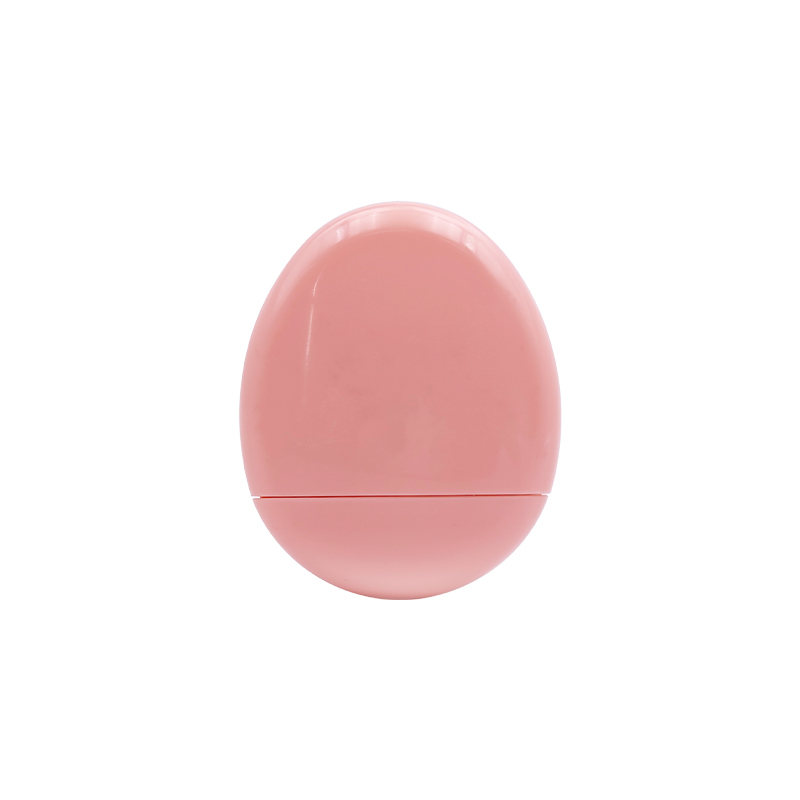
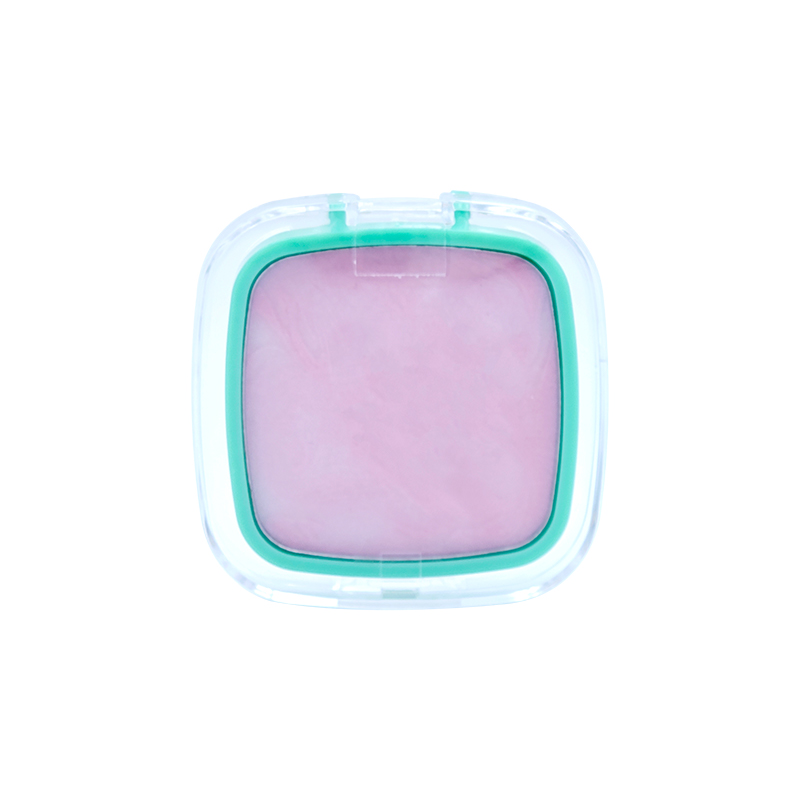
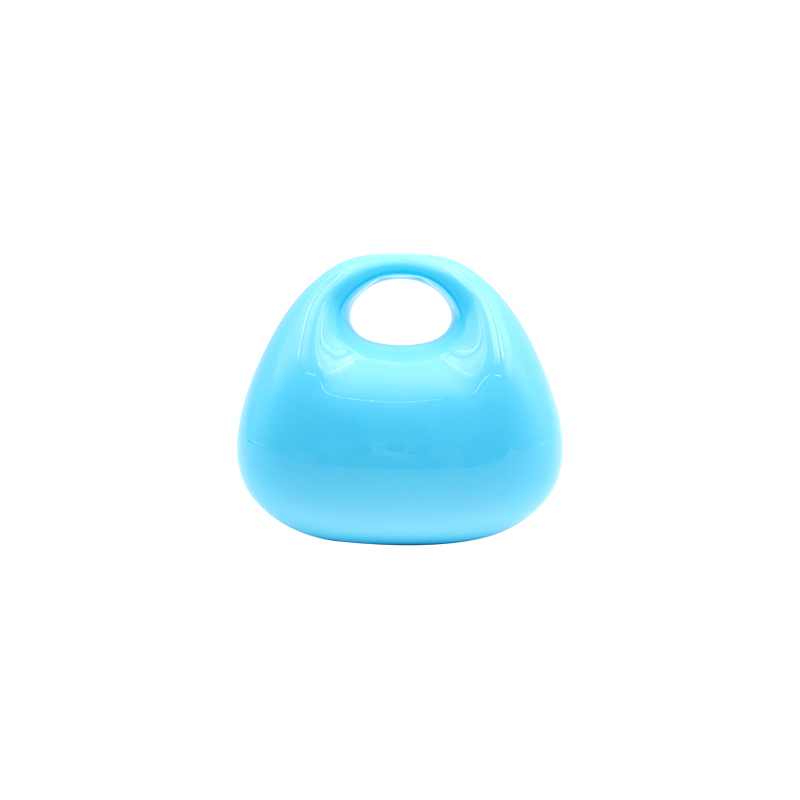
EGG-SHAPED BLUSH CREAM
TEXTURE OF CREAM MOUSSE THE PASTE IS SMOOTH AND HASGOOD COLOR VISIBILITY. Mo...
A lipstick often looks different in the tube than it does on the lips. Lip Color Changing Lipstick is formulated to develop its shade after application instead of depositing one fixed color. Results vary between wearers, which is why many shoppers see these products as more personal than conventional lipstick.
The effect depends on the formula and on how its color ingredients interact with the lips. Some products respond to acidity, while others rely on pigments that become more visible as the formula spreads and settles. Temperature, natural lip color, and the amount applied also shape the final appearance. A product like this cannot promise an entirely unique shade for every person or an identical result each time. The same formula simply looks different across users and conditions.
Traditional lipstick shows its color the moment it is applied, and the look is shaped by pigment, coverage, finish, and the lip color underneath. A color-changing formula adds a second stage, since the visible shade may develop or shift afterward. Some products start nearly clear and gradually reveal a pink, rose, or berry tone. Others begin with a light tint that deepens once it is spread.
| Product Type | Typical Color Experience |
|---|---|
| Traditional lipstick | Shade visible immediately |
| Lip Color Changing Lipstick | May develop or shift after application |
| Tint Lip Color | Leaves a visible stain as surface product wears away |
| Lip oil | Smooth, glossy feel, sometimes with color |
| Tinted lip oil | Light color with an oil-like finish |
These categories overlap. A color-changing product can also add shine or leave a stain, so the name alone does not describe its full performance.
The phrase "color changing" covers different designs. One approach uses ingredients that respond to chemical conditions on the lips. Another relies on pigment that looks pale in the container but shows more color as a thin, translucent layer. Gloss and light reflection change how the shade is perceived as well.
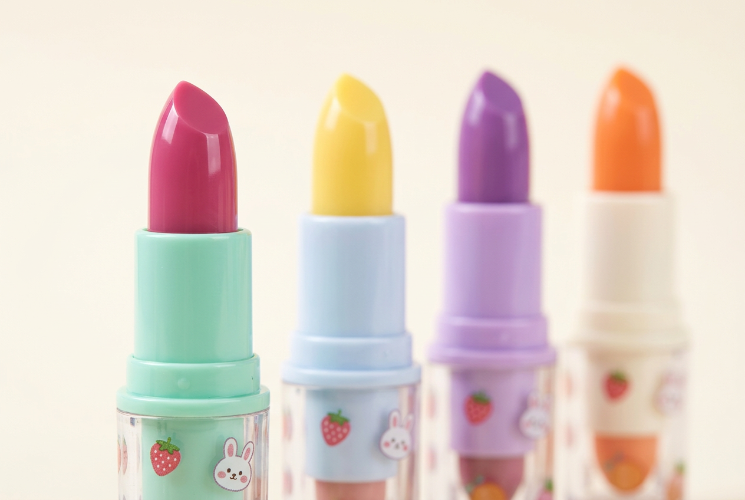
Lip acidity is often cited, and certain color ingredients do respond to it, which helps explain why one product looks warmer on one person and cooler on another. It is not the only factor. Natural pigmentation, formula color, amount applied, and lip condition all matter. Temperature can affect texture and transparency in some formulas, though not every product sold as color-changing is built to react to heat. Check the description to learn which mechanism the product uses.
Because of this variation, a lipstick should not be described as a precise color-matching system unless testing supports that claim.
Natural lip color forms the base. Lightly pigmented lips show a sheer formula clearly, while deeper lip color gives a different result. Smooth lips reflect light evenly, and dry areas can make color look patchy.
| Personal Factor | Possible Influence on Appearance |
|---|---|
| Natural lip color | Changes the base beneath the product |
| Lip condition | Affects how evenly the formula spreads |
| Application amount | Influences intensity and coverage |
| Formula transparency | Decides how much natural color shows |
| Finish | Changes how light reflects |
| Lighting | Alters how warm, cool, or bright the shade looks |
This is why the product can feel personalized without any custom formula. The visible result comes from the meeting of product and wearer.
A thin layer gives a light wash of color, while a heavier one looks deeper. Gently removing loose flakes and using suitable lip care helps color sit evenly. Layering over another lip product changes both color and texture.
The point is to learn how the formula behaves, not to force a particular shade.
A Tint Lip Color is designed to leave visible color, often with a lighter feel than full-coverage lipstick. Some tints stain the lips after the surface product wears off, and others give a short-lived wash. Color-changing lipstick focuses on how the shade develops after application, and a tint may or may not do that. Some products combine both. Terms such as tint, stain, and color changing describe different things and should not be treated as synonyms.
Lip oils appeal to people who like a glossy surface and a comfortable feel. Emollient ingredients may soften the lips, and some oils carry color. A product such as Lip Quip Lip Oil may suit shoppers who want shine without a heavy texture, though actual color payoff and moisturizing effect depend on the formulation. Applied over lipstick, oil increases shine and shifts the look of the color. Applied underneath, it can change how the lipstick spreads and stays. Test the pairing before relying on it for a full day.
| Desired Effect | What to Check |
|---|---|
| Color development | How the shade changes after application |
| Glossy finish | Level and character of shine |
| Stain-like wear | Whether color remains as the surface fades |
| Comfortable feel | Texture, spread, and suitability for your lips |
| Lip care | Stated moisturizing purpose and ingredients |
Gloss changes light reflection, a stain relates to color that stays, and moisture depends on ingredients. A glossy finish does not prove lasting moisture.
Swatches and short videos suit this category because the change is visible. Lighting, camera processing, skin tone, lip pigmentation, and amount applied all alter what a viewer sees. A clip filmed under warm light can differ from the same product in neutral light. Good demonstrations use consistent lighting, explain the application, and show more than one natural lip color.
Before buying, review the stated color-changing mechanism, expected finish and coverage, whether it leaves a stain, application and removal instructions, the ingredient list with any warnings, and whether it is meant to be layered. Appearance cannot establish that a formula suits every person. If irritation appears, stop using it and seek advice if symptoms persist.
Developers can aim for a subtle shift, a stronger tint, a glossy finish, or a blend of these. Evaluate the whole experience: color development, texture, spread, wear, packaging, and removal. An interesting color effect still needs work if the formula feels uncomfortable or applies unevenly.
For OEM and ODM projects, state the intended color effect, finish, texture, packaging, and target use before reviewing samples, then test for consistent performance and supportable claims. In cross-border e-commerce, shade names, swatches, ingredient details, and instructions must be clear to customers in different markets. Where the result varies with natural lip color, say so plainly.
Descriptions of Lip Color Changing Lipstick work best when they explain how color ingredients respond after application, how lip color affects the outcome, and how the finish alters the look. A shade that differs between users does not mean the product detects personal taste. Describing each feature of a tint or a lip oil separately makes comparison easier for shoppers.

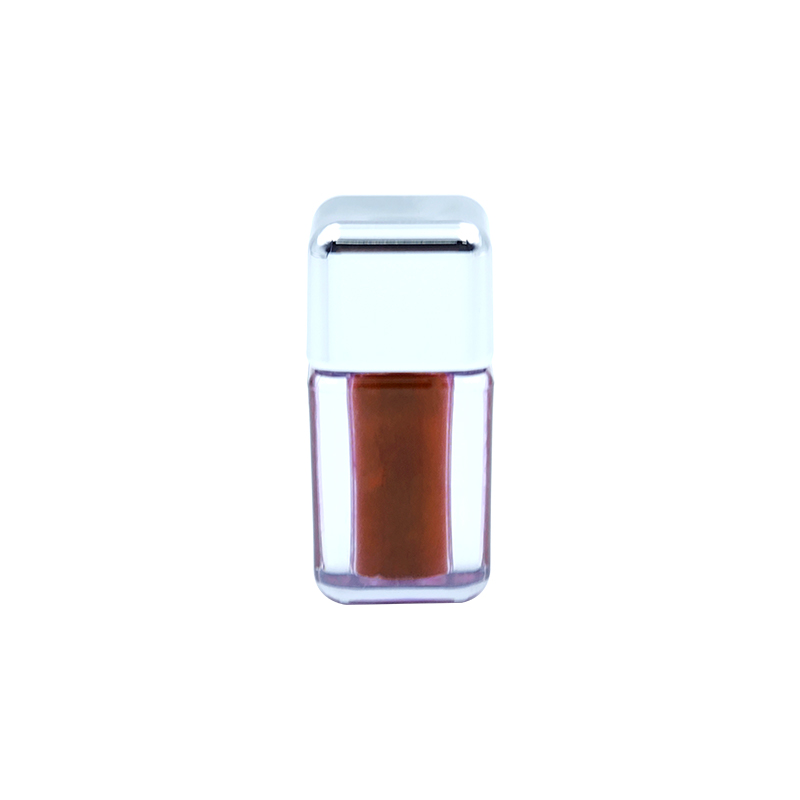
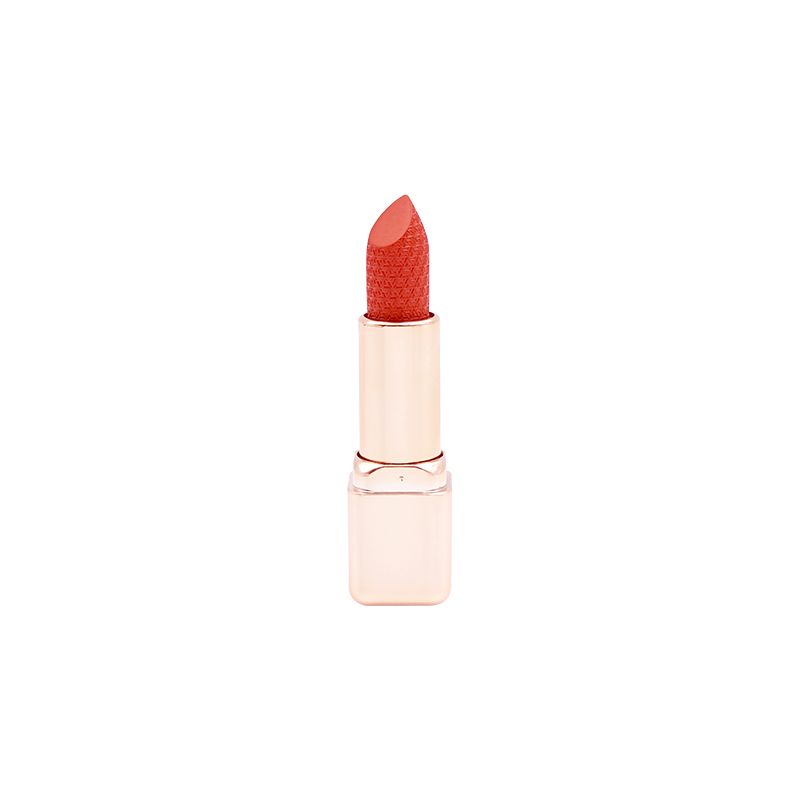
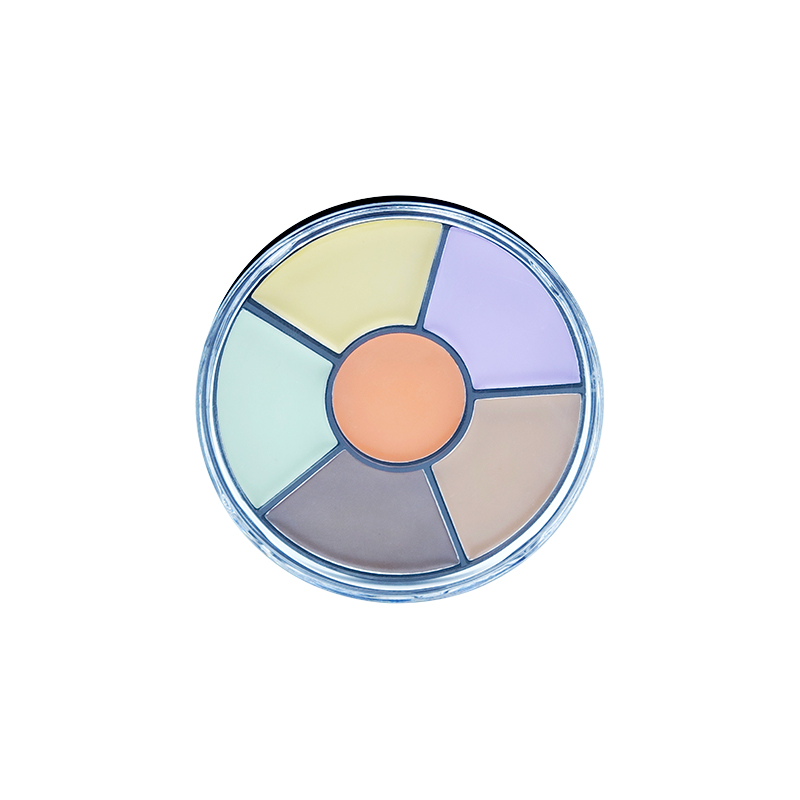
A lipstick often looks different in the tube than it does on the lips. Lip Color Changing Lipstick is formulated to de...
Lip makeup no longer has to mean one shade applied edge to edge. A soft tint can give a natural base, and a glossy oil...
Choosing a lip product isn't only about finding a suitable color. Consumers also consider how the color appears, how i...
Lip makeup has traditionally focused on adding color, while lip care has focused on keeping the lips feeling comfortab...
A cheek color can change the way facial proportions are perceived without altering the actual shape of the face. When th...
Everyday eye makeup does not always need strong color or a clearly defined shape. For work, casual outings, or simple so...


 No.333 Caihong Road,Linjiang Industry, Bailongqiao Town,Jinhua City, Zhejiang Province, China
 +86 13750973917+86 18248557685
 [email protected]
Copyright ©Zhejiang NiFei Cosmetic Co., Ltd. Rights Reserved.