
 SEARCH

 English
 Español
 Português

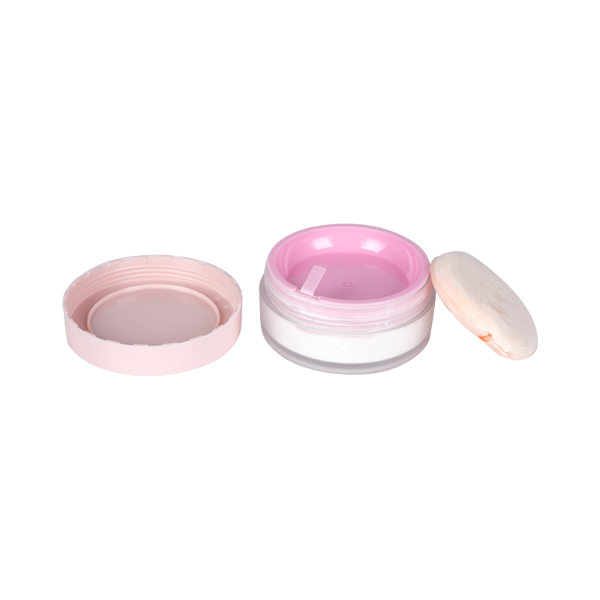
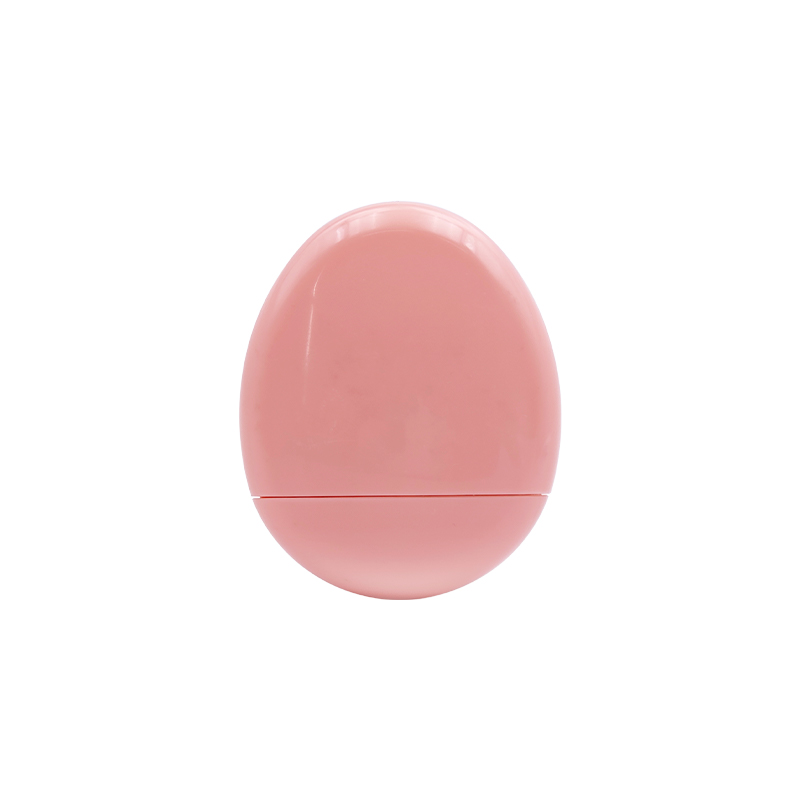
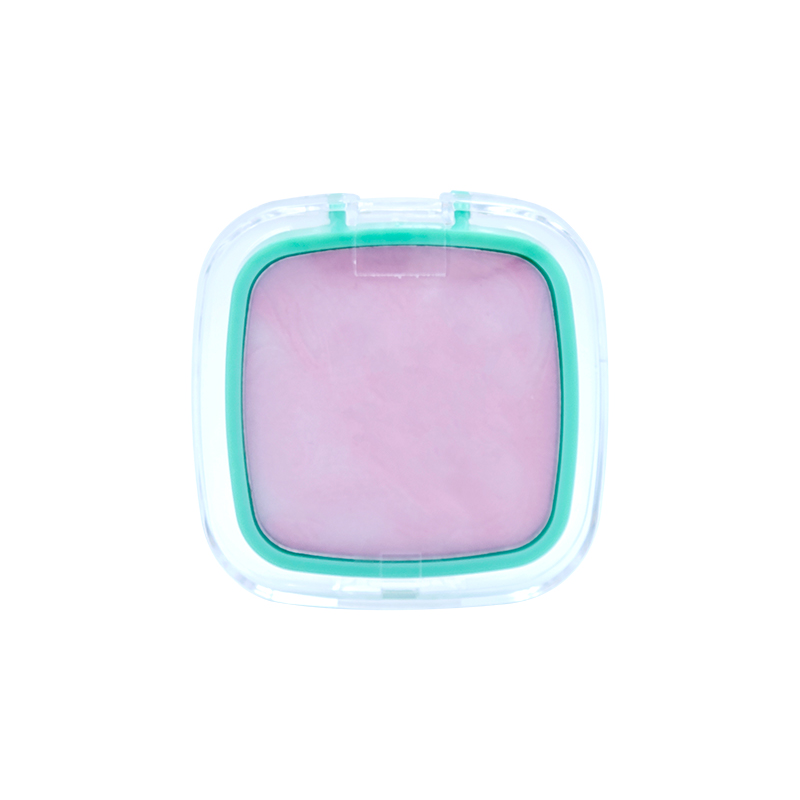
EGG-SHAPED BLUSH CREAM
TEXTURE OF CREAM MOUSSE THE PASTE IS SMOOTH AND HASGOOD COLOR VISIBILITY. Mo...
A cheek color can change the way facial proportions are perceived without altering the actual shape of the face. When the shade sits higher on the cheeks and fades gradually into the surrounding complexion, attention tends to move toward the upper part of the face. Pink is often suited to this approach because its range extends from barely visible washes to richer cheek color.
Placement matters more than intensity in many soft makeup looks. Color concentrated near the upper cheek can create an upward visual direction, while a lower application shifts attention toward the center of the face. Blending also has a role: a gradual edge keeps the color connected with the complexion instead of leaving a noticeable patch.
Pink itself covers a broad range of appearances. Pale shades may blend quietly into a light base, while deeper tones remain visible against richer complexions. Warm pink can sit comfortably beside warm-toned makeup, whereas cooler pink may create a fresher contrast.
Facial balance depends on more than cheek color. A softly shaped brow, restrained eye makeup, and a coordinated lip shade can leave the cheeks as part of a continuous makeup arrangement. When one area becomes too concentrated, the visual weight of the face can change even when the rest of the makeup remains unchanged.
Pressed powder and fluid blush behave differently during application. Powder is usually picked up and placed onto the skin, while a liquid texture can be spread, pressed, and softened across the cheek. That difference gives sheer formulas a particular role in lightweight makeup routines.
Application does not have to begin with a strong layer. A small amount spread over the intended area can leave a translucent wash, with additional blending or layering changing the depth gradually. Working in light passes also makes it easier to adjust the boundary between colored and uncolored skin.
Different tools create slightly different results:
The underlying makeup should be considered before blending. Rubbing a fluid product over a fresh base may disturb the layers underneath, especially around areas where coverage is already thin. Pressing and short outward movements are generally less disruptive.
With a Pink Fluid Sheer Blush, the transparent quality can be as important as the pink tone itself. Rather than covering the complexion with a solid layer, the formula can allow some of the base and natural skin tone to remain visible. This makes the final color dependent on both the product and what lies underneath it.
Imagine the cheek as a broad area rather than a single point. Concentrating color in one small spot creates a different impression from spreading a thin veil along the upper cheek and allowing it to fade toward the side of the face.
For an upward visual direction, placement can begin around the higher part of the cheek and extend outward. The color does not need to reach the hairline or form a sharp stripe. A gradual fade usually keeps the shape softer and prevents the cheek from looking disconnected from the rest of the complexion.
Face proportions can change how the same placement appears. A fuller face may suit color that travels slightly outward, giving the cheek area a more elongated visual direction. With a longer face shape, a broader distribution can keep the color from becoming too vertically concentrated. More defined facial contours may need less concentrated color because the underlying structure already creates visible shadows and highlights.
A few placement details can make a noticeable difference:
The amount applied should follow the placement rather than compete with it. A small area carrying too much color can appear heavier than a wider area with a lighter layer.
The same pink does not produce the same visual result on every complexion. Skin depth changes how much color remains visible, while undertone can make a shade appear warmer, cooler, brighter, or more muted. Base makeup introduces another layer of variation.
Choosing a suitable tone can begin with the desired appearance rather than a fixed shade category. Someone seeking a barely noticeable flush may prefer a lighter or more transparent pink. A stronger cheek presence can come from a deeper tone, provided that the edges remain soft.
| Pink Tone General | Visual Character | Makeup Coordination |
|---|---|---|
| Light Pink | Soft and delicate | Light or neutral base makeup |
| Deeper Pink | Clearer cheek color | Balanced eye and lip tones |
| Warm Pink | Warmer facial impression | Warm-toned complexion makeup |
| Cool Pink | Fresher visual contrast | Cooler or neutral makeup |
| Sheer Pink | Transparent color wash | Lightweight complexion styles |
Transparency can help bridge differences between skin tone and blush color. Instead of relying entirely on surface pigment, a sheer layer allows the complexion beneath it to influence the final appearance.
The base deserves equal attention. A strongly warm complexion product may change the character of a cool pink, while a neutral base can leave more of the original shade visible. Lip and eye colors can create similar interactions.
For a Blush Liquid Blusher, shade selection is only part of the equation. Fluidity, transparency, placement, and the underlying complexion all contribute to how pink appears after application. The resulting cheek color is shaped by that combination rather than by the shade name alone.
Makeup routines have become more varied in texture as well as appearance. A full-coverage base may be paired with a light cheek color, while a minimal complexion can use blush as one of the few visible color elements. Liquid formats fit into both approaches because their finish can be adjusted during application.
A fluid cheek product can sit between complexion makeup and color makeup. Applied lightly, it may leave the skin looking relatively open and natural. Added in a second layer, the same shade can become more noticeable without requiring a completely different product.
The order of application also changes the result. Common combinations include:
Modern routines also vary according to occasion. A restrained daytime look may call for a transparent flush, whereas a more defined makeup arrangement can use additional layering around the cheek area. The same product format can accommodate both approaches when its color release remains manageable.
Skin condition changes how a liquid cheek product moves after it reaches the face. Dry areas may absorb or grip the product differently from smoother areas, while excess surface oil can affect how evenly the color remains distributed.
Texture on the skin becomes particularly noticeable around the cheeks. If the base contains dry patches, a fluid formula may collect around those areas rather than spreading evenly. Gentle preparation can create a more consistent surface without adding unnecessary layers underneath.
For oilier skin, the issue is different. Natural oils can soften the appearance of makeup over time and may cause color to shift from its original placement. A lighter application can help maintain a cleaner visual boundary.
Combination skin may require different handling across the face. The central cheek area and outer cheek can have noticeably different surface conditions, so applying the same amount everywhere may not produce an even result.
Several practical points can be considered during application:
A Blush Liquid Blusher does not interact with every complexion in exactly the same way. Skin texture, preparation, base makeup, and application pressure can all affect the final finish.
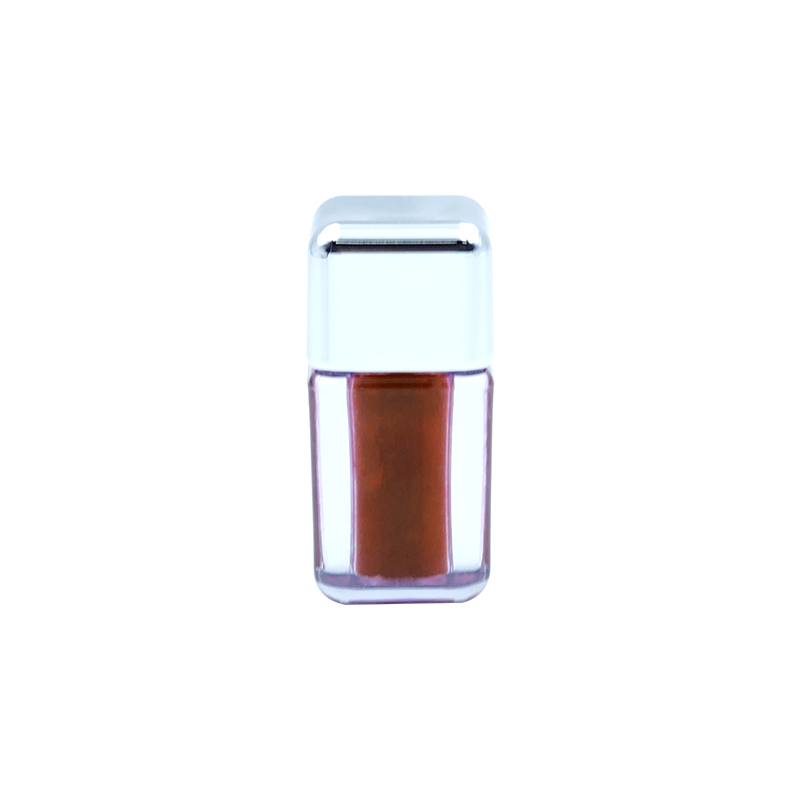
Product development in cheek makeup increasingly involves balancing color with application behavior. A shade may look appealing in packaging but behave differently once spread across the skin. For fluid blush products, the relationship between pigment, transparency, flow, and blending can influence how the color is perceived.
Sheer products require particular attention to gradual color release. Too little visible color can make placement difficult, while heavy color release can reduce the soft effect associated with a transparent finish. Product development often has to account for both situations.
Packaging is another practical consideration. A fluid format needs a container that allows controlled dispensing and helps prevent unnecessary product from escaping. The opening, applicator, and closure can all affect daily use.
Color ranges also reflect the variety of complexion preferences found in the cosmetics market. Pink may be developed in several directions rather than treated as one fixed color family. Differences in warmth, depth, and transparency allow similar shades to create different visual results.
Product development can involve several connected considerations:
For Pink Fluid Sheer Blush, the challenge lies in keeping these elements balanced. A lightweight appearance depends not only on the color itself but also on how the product moves, settles, and interacts with the complexion.
Choosing a liquid pink blush involves more than matching a color to personal preference. The desired makeup style, complexion, base texture, and application habits all influence whether a particular formula feels suitable.
Shade is a practical starting point. Light pink can create a quiet change in complexion, while deeper pink gives the cheeks more visible color. Warm and cool variations can also alter the relationship between cheek makeup and the rest of the face.
Texture deserves similar attention. A formula that spreads easily may suit quick makeup routines, while a product that remains more concentrated during application can offer greater control over a defined cheek area.
The finish should also fit the complexion underneath it. A very light base may pair naturally with a transparent cheek color, while fuller complexion makeup may require additional layering for the blush to remain visible.
Before choosing a product, several questions can help narrow the options:
A suitable Pink Fluid Sheer Blush should make sense within the complete makeup arrangement rather than being considered as an isolated color. The same principle applies when comparing a Blush Liquid Blusher with powder or cream alternatives. Color, texture, placement, and skin condition all contribute to the finished appearance.


A cheek color can change the way facial proportions are perceived without altering the actual shape of the face. When th...
Everyday eye makeup does not always need strong color or a clearly defined shape. For work, casual outings, or simple so...
Color combination practice is not simply about placing several shades together. It involves observing how colors change ...
Foundation creates a base for color makeup, so its surface condition can change how blush spreads and settles. A smooth ...
Blush color selection has become more varied as makeup habits move between soft daily looks, warm tones, muted shades, a...
Pink can look surprisingly different from one face to another. A soft pink may appear fresh and light on fair skin, whil...


 No.333 Caihong Road,Linjiang Industry, Bailongqiao Town,Jinhua City, Zhejiang Province, China
 +86 13750973917+86 18248557685
 [email protected]
Copyright ©Zhejiang NiFei Cosmetic Co., Ltd. Rights Reserved.