
 SEARCH

 English
 Español
 Português

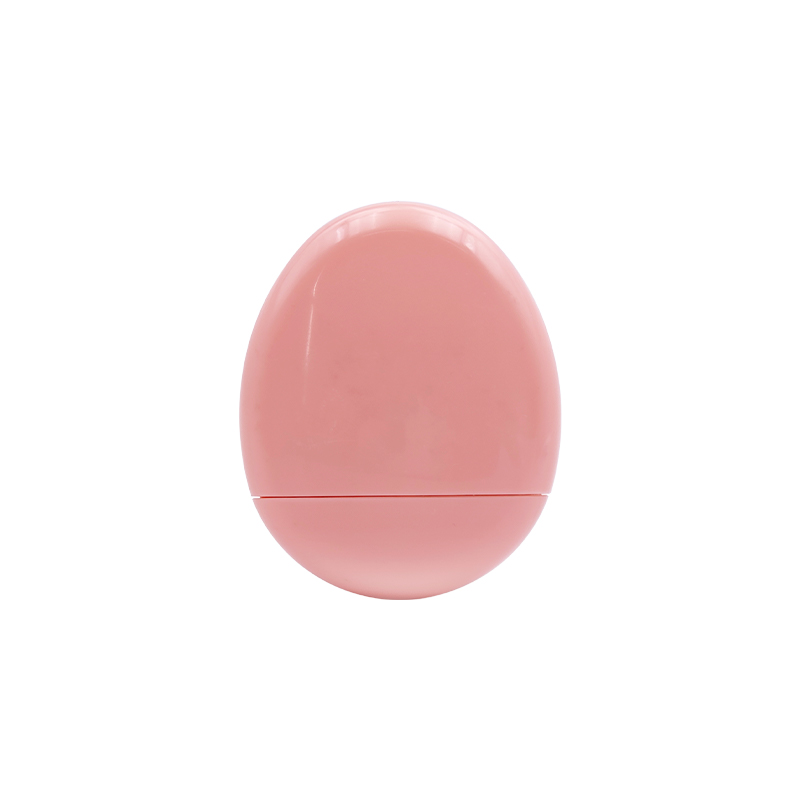
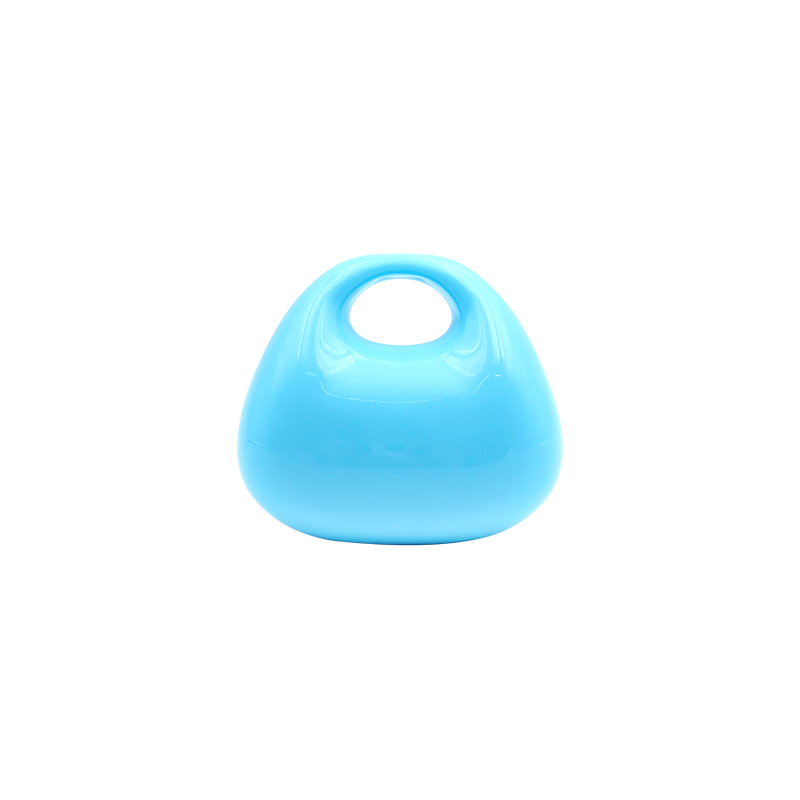
EGG-SHAPED BLUSH CREAM
TEXTURE OF CREAM MOUSSE THE PASTE IS SMOOTH AND HASGOOD COLOR VISIBILITY. Mo...
Lip makeup no longer has to mean one shade applied edge to edge. A soft tint can give a natural base, and a glossy oil on top adds shine and makes the color look deeper. The same two products can look different depending on where each one sits.
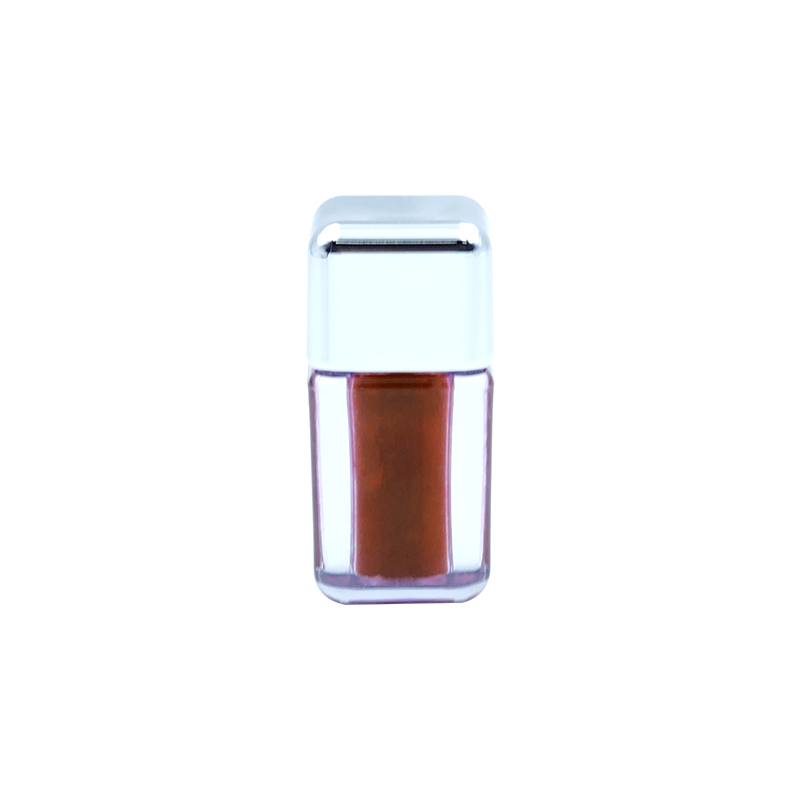
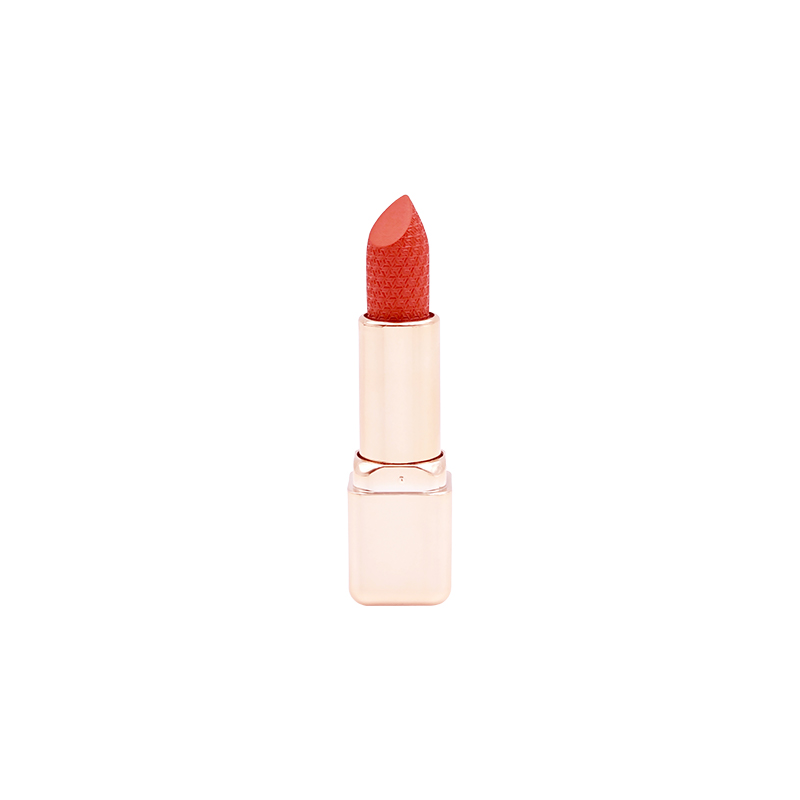
Lip Color Changing Lipstick, Lip Quip Moisturizing Lip Oil, and Lip Color Tint each play a different role in this routine. Color payoff, transparency, and texture decide how they work together. Giving every layer a clear job keeps the result looking planned instead of crowded.
A single lipstick gives a consistent look. Layering gives you control over intensity in different areas, and you can mix glossy and soft finishes or blend one shade into another.
Texture matters as much as color. A soft tinted base makes a glossy layer stand out, while a transparent oil lets the shade underneath show through. This contrast adds depth without needing several strong colors.
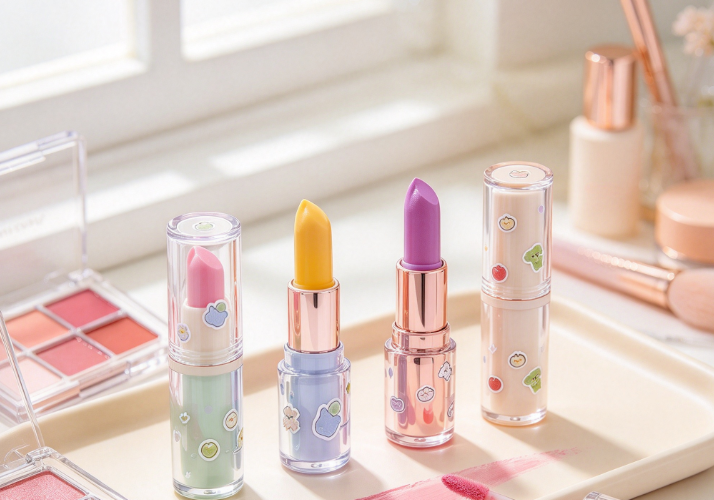
Layering also adapts to the occasion. A light tint with a thin coat of oil suits a workday. A deeper center color with a more reflective finish suits an evening out. The aim is not more products. It is a clear purpose for each layer.
A Lip Color Tint builds color without a heavy coat of makeup. Depending on the formula, it leaves a sheer wash or a stain-like effect, and your natural lip tone shows through. A soft pink looks fresh, a muted berry adds depth, and a warm peach adds color without looking heavily made up.
Technique changes the result. An even layer gives uniform color, while color concentrated at the center creates a soft gradient. Blend the edges with a fingertip or a small lip brush to avoid a visible line.
| Tint Application | Visual Effect |
|---|---|
| Thin layer across the lips | Soft, even color |
| Color concentrated at the center | Gradient appearance |
| Slightly deeper shade on the inner lip | Added depth |
| Lightly blended edges | Softer transition |
| Tint under a transparent oil | Visible color with added shine |
Let the tint settle according to the product directions before adding another layer. Oil applied over wet tint can push the pigment around and change the shape of the color.
Oil changes how light bounces off the lips. Color looks smoother and more luminous, especially over a soft base. The tint still supplies most of the visible color.
A transparent oil mainly changes the finish and leaves the shade nearly as it was. A tinted oil adds its own tone and can push the look warmer, cooler, or deeper.
Amount matters. A thin layer gives a subtle sheen, and a generous layer looks visibly glossy. Too much can drift past the lip line and blur a sheer base. Lip Quip Moisturizing Lip Oil works as a finishing layer when its texture and color suit the base. Check that it adds reflection without hiding the tint or feeling heavy.
| Base Color | Oil Finish | Possible Appearance |
|---|---|---|
| Pale pink tint | Clear gloss | Light, reflective color |
| Peach tint | Softly tinted oil | Warm, luminous finish |
| Berry tint | Clear oil | Deeper color with surface shine |
| Muted nude tint | Lightly colored oil | Subtle shift in tone |
| Color-changing lipstick | Transparent oil | Gloss that keeps the underlying shade |
Shine also exposes flaws. Dry patches, uneven pigment, or product collecting at the lip line stand out under a reflective surface, so prepare the lips and apply each layer evenly.
Lip Color Changing Lipstick adds another variable. Some formulas respond to moisture or skin conditions, and others are made to develop a particular shade after application. Results depend on the product and your natural lip tone, so do not assume every formula behaves alike.
Decide which product defines the final color. If the lipstick develops a noticeable shade, a sheer tint works better as a quiet base than as a competing layer. Or let the lipstick carry the color and use oil for shine.
Order matters too. Oil applied before lipstick can change how the lipstick grips the lips. Follow the directions and test a combination before wearing it for a full day. For a natural wash of color, keep the base light and the finish restrained. When the lipstick is meant to be the main color, avoid stacking extra shades that make the result harder to control.
Color strength depends on pigment amount, transparency, and shade combination. A sheer tint gives a gentle base, and a pigmented lipstick gives a stronger one. Transparent oil changes the surface more than the pigment, though reflections can make the shade look different.
To build color slowly, start with a thin tint layer and check it before adding more. If you want more depth, apply a second light coat to the inner lip instead of covering everything again.
Layering can also soften a strong base. A sheer, lightly colored oil adds transparency and reflection. A strongly colored oil shifts the shade instead of just softening it, so the outcome depends on both colors.
It helps to assign roles:
Base color: sets the main shade.
Accent color: adds depth in chosen areas.
Gloss layer: changes reflection and surface.
Edge blending: makes the transition natural.
One product can cover more than one role, depending on its payoff and texture.
For many combinations, tint or lipstick goes on as the color layer and oil follows for shine. The pigment settles before a glossy product touches the surface.
Prepare the lips. Gently remove loose flakes. If you use a lip product for prep, let it settle and blot extra.
Apply the color. Spread it evenly or concentrate it where you want depth. Keep the edges soft for a gradient.
Let it settle. Follow the directions and avoid pressing the lips together while the formula sets.
Add the oil. Use a thin layer, starting at the center for a dimensional finish, and spread outward without crossing the lip line.
Check the result. Look in natural light. Add a small amount only if the shine or color needs adjusting.
Some formulas are meant for bare lips, and others react differently to oil. Test a new pairing to avoid patchiness or surprise color shifts.
A gradient keeps the center deeper and the edges lighter, which feels softer than a strong shade applied evenly. A Lip Color Tint suits this style. Dab a small amount on the inner lips and blend outward, leaving the outer edges light. The goal is a transition, not a border.
Add transparent oil gently, focusing on the center, and avoid repeated strokes that drag the tint outward. Test a colored oil first, since its pigment can shift the balance between inner and outer areas.
Color-changing lipstick works here too. Let it form the central shade, and soften the edges with a lighter tint. Wait until the lipstick shows its final shade before adding the finishing layer.
Similar shades give a coordinated look, and contrasting shades add depth when applied with care. Two products with matching shades can still look different if their undertones or transparency differ. A peach tint under clear oil reads differently from the same tint under a rosy oil.
| Base Shade | Layering Choice | Style Direction |
|---|---|---|
| Soft pink | Clear lip oil | Fresh and understated |
| Warm peach | Rosy oil | Warm and softly colored |
| Muted nude | Berry tint at the center | Gentle contrast |
| Deep red | Clear oil | Reflective, defined color |
| Light mauve | Sheer pink tint | Blended, cool-toned look |
Treat these as starting points. Try colors together on your own lips, since packaging and swatches rarely match real results.
More layers do not always add depth. Several heavily pigmented products can look muddy, and thick coats can slide past the lip line or settle in the corners.
Oil over unset tint disturbs the pigment. Rubbing the lips together spreads color and flattens a gradient. Use small amounts, let each layer settle, and adjust only after checking.
A product that feels fine alone can turn slippery when combined with another. If the color moves, separates, or feels heavy, remove some product and simplify.
Stop using anything that causes burning, swelling, or lasting discomfort, and review its ingredients before trying again. Do not share lip products, and keep applicators clean.
Look at how each item will function in your routine. Payoff, transparency, shine, texture, and control all shape the look. A product that works alone may behave differently over another formula.
A Lip Color Tint suits a sheer base or gradient. Lip Color Changing Lipstick suits those who like a shade that develops after application, depending on the formula. Lip Quip Moisturizing Lip Oil fits when you want a reflective finish and its texture and color agree with your base.
Look for clear notes on finish, application, layering, removal, and storage. When testing a combination, apply a small amount of each product and check it in ordinary light. That shows which layer gives color, which gives shine, and whether any formula changes the texture or placement of the others.

Lip makeup no longer has to mean one shade applied edge to edge. A soft tint can give a natural base, and a glossy oil...
Choosing a lip product isn't only about finding a suitable color. Consumers also consider how the color appears, how i...
Lip makeup has traditionally focused on adding color, while lip care has focused on keeping the lips feeling comfortab...
A cheek color can change the way facial proportions are perceived without altering the actual shape of the face. When th...
Everyday eye makeup does not always need strong color or a clearly defined shape. For work, casual outings, or simple so...
Color combination practice is not simply about placing several shades together. It involves observing how colors change ...


 No.333 Caihong Road,Linjiang Industry, Bailongqiao Town,Jinhua City, Zhejiang Province, China
 +86 13750973917+86 18248557685
 [email protected]
Copyright ©Zhejiang NiFei Cosmetic Co., Ltd. Rights Reserved.