
 SEARCH

 English
 Español
 Português

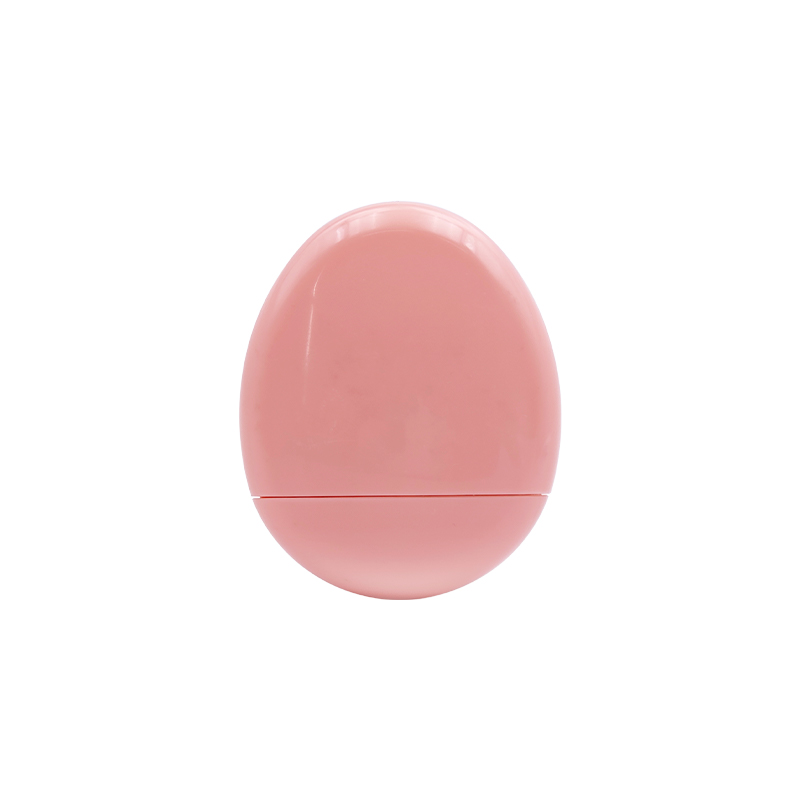
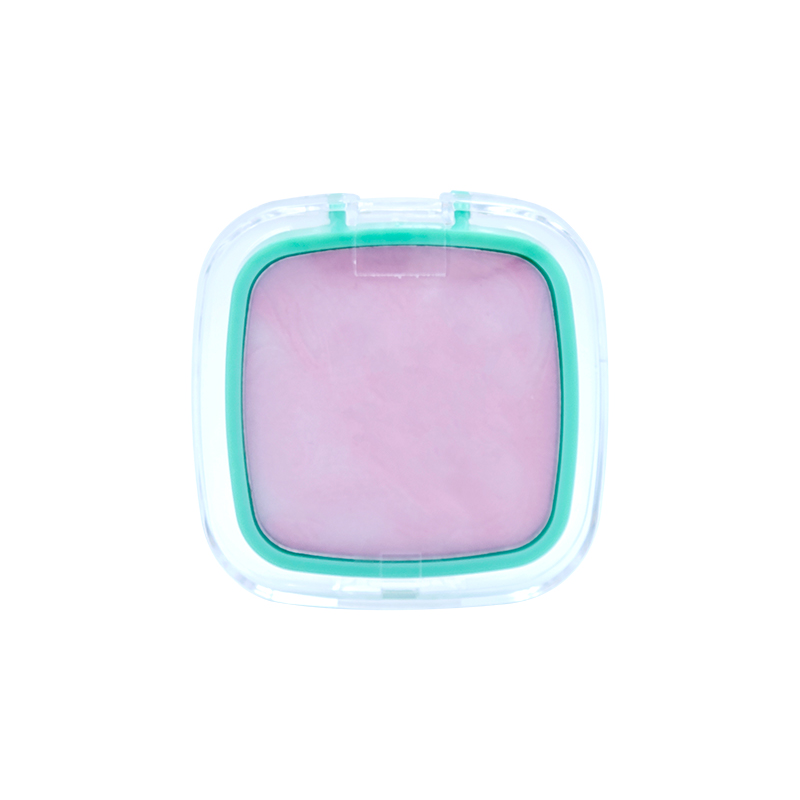
EGG-SHAPED BLUSH CREAM
TEXTURE OF CREAM MOUSSE THE PASTE IS SMOOTH AND HASGOOD COLOR VISIBILITY. Mo...
An Eye Contour Palette typically contains several neutral-toned powders or creams designed to create the illusion of depth around the eyes. Unlike brightly colored eyeshadows that draw attention through vivid hues, contour shades work through shadow and light. A typical palette includes a cooler brown for creating hollows, a warmer brown for blending, and a lighter nude shade for softening edges or highlighting certain areas. The Matt Nude Eyeshadow found in many of these palettes plays a particular role—it sits somewhere between a contour shade and a traditional eyeshadow, offering a neutral base that helps transition between the sculpted areas and the more colorful parts of the look.
The purpose of contouring around the eyes shares something with facial contouring. Both techniques rely on the principle that darker shades recede and lighter shades bring forward. Applied along the crease, a contour shade makes the eye socket appear deeper. Applied near the inner corner or under the brow, a lighter shade makes those areas seem to project further outward. But unlike facial contouring, which follows a relatively fixed map of cheekbones, jawlines, and noses, eye contouring requires more adaptation to individual anatomy. Each person's eye shape, lid space, and brow structure change where and how contour shades should go.
Understanding this function makes the timing question more manageable. If contour creates structure, then where in the sequence does that structure need to appear? Early placement builds a framework. Late placement refines an existing framework. Both have their uses, and neither holds universal rightness.
The order in which eye products go on affects how they perform. A cream concealer applied under a powder contour will interact differently than the same concealer applied over it. An eyeshadow placed on top of a contour shade will blend differently than one placed on bare skin or over primer. These interactions are not mysterious, but they are often overlooked by those who follow fixed routines without considering why the routine exists.
Layering creates physical barriers between products. A heavy layer of powder eyeshadow can prevent a contour shade applied afterward from adhering properly. Conversely, a creamy contour applied as a first step might lift or smudge when subsequent powder products are brushed over it. The formulation of each product in the palette influences the ideal sequence. A Matt Nude Eyeshadow with a soft, powdery texture, for instance, behaves differently from a dense, highly pigmented contour shade.
Beyond product performance, the visual outcome changes with sequence. Building depth first and then adding color produces a different finish than adding color first and then sculpting. The former tends toward seamless, natural looks where the contour feels like part of the eye's natural structure. The latter often yields more dramatic, intentional effects where the sculpting appears as a deliberate stylistic choice.
Placing contour as the first powder product on the eye has a clear logic. The contour defines the socket, creating a map for everything that follows. A child learning to color inside the lines does better when the lines exist first. Similarly, placing a Matt Nude Eyeshadow or contour shade along the crease early gives the rest of the eye makeup a clear boundary.
When contour goes on first, blending tends to require less effort. The powder sits directly on the primer or bare skin, without competing with other products underneath. Brushes move smoothly across the surface, and the pigment disperses evenly. Subsequent eyeshadows applied over the contour can be blended into it or kept separate, depending on the desired effect. For natural, everyday looks, this approach works well because the contour sets the tone for a subtle, defined eye that does not demand much additional work.
The downside appears when layering multiple shades over the initial contour. Each additional powder can muddy the contour underneath. The crisp definition that existed after the first step can soften or disappear entirely with too much blending over it. For looks involving many eyeshadow shades, applying contour first may require careful preservation of the contoured areas, which adds complexity to the process.
Some makeup users prefer to apply contour shades after completing the main eyeshadow work. The reasoning here turns on control and correction. After placing all the lid colors, transition shades, and accent colors, the shape of the eye makeup becomes fully visible. Any imbalances—a crease that looks too high on one side, a transition that feels too harsh—can be addressed with contour applied at the end.
Working from this direction allows for precise adjustments. A touch of a Matt Nude Eyeshadow at the outer edge can soften a stark line. A deeper contour shade can deepen a crease that disappeared under other colors. The contour functions as a finishing tool rather than a foundational one. This approach suits more elaborate looks where multiple colors interact across the lid and crease, and where the final shape only becomes clear after all the other pieces are in place.
The trade-off involves blending effort. Applying contour over other powder products means blending through existing layers. Brushes can pick up previously applied colors and move them where they are not wanted. The contour shade may not adhere as smoothly to a surface already covered in other powders. These challenges are manageable with careful technique, but they require more attention than applying contour to a clean base.
The Matt Nude Eyeshadow found in many Eye Contour Palettes offers a useful middle ground between strict contour and traditional eyeshadow. Its neutral tone allows it to function as a transition shade, a blending helper, or a standalone wash of color. This versatility makes it helpful for those who want to keep the sequence flexible.
Using the nude shade early can set the primer and create a smooth surface for everything else. Using it after the contour shade can blend out edges and soften the transition from the sculpted crease to the lid. Using it near the brow bone can provide a subtle highlight that does not compete with the contour's effect. The shade does not have a single fixed role; its timing depends on what the rest of the look requires.
Some makeup users apply the Matt Nude Eyeshadow as the first powder product across the entire lid, then add contour along the crease, then finish with brighter shades on the lid or outer corner. Others apply contour first, then use the nude shade to blend and soften, then add accent colors. Neither approach outshines the other. The choice depends on how the contour behaves on the skin and how the other shades in the palette interact with it.

Primer and concealer often go on before any powder touches the eye area. A good primer creates a surface that holds powder products in place throughout the day. Concealer around the brow bone or under the eye brightens those areas and covers any discoloration. The question of when to apply contour in relation to these steps depends largely on whether the contour comes in cream or powder form.
Cream contour applied over primer but before setting powder can be blended out with fingers or a sponge. The warmth of the skin helps the product melt into the primer layer, creating a soft, diffused effect. Powder contour, on the other hand, sits best over a primer that has been set with a light dusting of translucent powder or a Matt Nude Eyeshadow. Applying powder contour directly onto a tacky primer can result in patchy adherence and uneven blending.
The interaction between under-eye concealer and contour also deserves attention. Concealer placed along the lower lash line or the outer corner of the eye may overlap with areas where contour usually goes. If the contour goes on before the concealer, the concealer can cover parts of the contour and reduce its effect. If the contour goes on after, the concealer might lift or smudge under the brush. Some makeup users apply concealer first, set it lightly, then apply contour in the crease and outer v area, keeping the two products separate. Others apply contour first, carefully avoiding the under-eye zone, then follow with concealer and blend the edges where the two meet.
The presence of a Matt Nude Eyeshadow in the palette gives an extra option. Using that shade to set the primer across the entire lid creates a smooth, dry base for both concealer and contour. This approach minimizes the interaction problems that arise when powder products meet creamy ones.
The crease is where contour does its most visible work. Placing a deeper shade along the natural fold of the eye creates the shadow that gives the eye its sculpted appearance. The timing of that placement matters because the crease interacts with everything else on the lid.
For those who apply contour before eyeshadow, the crease gets defined early and then treated as a boundary. Lid shades stay below the crease line, transition shades sit just above it, and the contour holds the whole structure together. This sequence works well for people who know exactly where they want the crease to sit and who want the contour to serve as a firm guide for the rest of the makeup.
For those who apply contour after eyeshadow, the crease gets adjusted toward the end. After seeing how the lid colors and transition shades look together, a deeper contour in the crease can add definition that the colors alone did not provide. A Matt Nude Eyeshadow applied at this stage can help soften any harsh lines between the crease contour and the brow bone highlight.
Some makeup users apply a light transition shade in the crease first, then place lid colors, then deepen the crease with a contour shade from the palette. This layered approach gives the crease a graduated effect that feels dimensional without looking heavy.
Eye shape influences not just where contour goes, but when it works best. Different structural features call for different sequencing approaches.
Deep-set eyes already have natural shadow in the socket. Contouring these eyes early helps open up the area and prevent the natural shadow from making the eyes look too recessed. A lighter Matt Nude Eyeshadow placed in the crease can lift the socket, and applying it before other shades ensures it does not get buried under darker colors.
Hooded eyes have skin that folds over the crease, hiding part of the lid. For these eyes, contour placement matters more than sequence. The contour needs to sit above the natural crease so it remains visible when the eyes are open. Whether that contour goes on before or after other shadows matters less than making sure it stays in that visible zone. Some hooded-eye users prefer contour early to establish that placement firmly, while others apply it after seeing how the lid colors behave.
Protruding eyes or round eyes benefit from contour placed in the crease and along the outer corner to create the illusion of depth. Applying contour early can build this depth gradually, allowing the user to assess the effect without other colors distracting. Monolids, where the crease is absent or minimal, require contour placed to simulate a crease where there is none. For these eyes, some makeup users apply the contour after the lid shades, using the colors as a guide for where the faux crease should sit.
The adaptability of an Eye Contour Palette allows for different sequences across different eye shapes. What works for deep-set eyes may not serve hooded eyes as well. The palette itself does not mandate a single order; it responds to the structure it is applied to.
Powder density changes how a contour shade behaves on the skin. Highly pigmented shades deposit color quickly, leaving less room for error. Using these early in the sequence gives the user time to blend carefully, building the contour gradually. Applying them late, over other powders, can result in harsh lines that resist blending.
Sheer, buildable formulas offer more forgiveness. They can be applied early as a soft wash or late as a corrective touch without creating visible streaks. A Matt Nude Eyeshadow with a sheer texture works particularly well as a late-stage blending tool, softening edges and adjusting shape without adding too much color.
Cream contour formulas present their own timing considerations. Cream applied early can be blended into the primer and set with powder, creating a long-lasting base. Cream applied late tends to sit on top of powder products, which can cause it to move or crease. For this reason, many users prefer cream contour as a first step, followed by powder contour or eyeshadow to set and blend.
The specific palette in use determines much of the sequence. A palette with soft, powdery shades may perform equally well at any stage. A palette with firm, dense pigment may demand early application for best blending results. Knowing the formula helps the user decide when each shade should go on.
| Product Type | Applied Early | Applied Midway | Applied Late |
|---|---|---|---|
| Highly pigmented powder contour | Allows careful building and blending; edges stay soft | Works well if not layered too heavily over other powders | Risks harsh lines; blending becomes more difficult |
| Sheer, buildable powder contour | Provides gentle definition that other shades can sit over | Flexible across all stages; adapts to what came before | Good for softening and correcting without adding too much color |
| Cream contour | Melts into primer; sets well under powder | Can work if skin still has some tackiness | Tends to sit on top; may lift powder layers underneath |
| Matt Nude Eyeshadow from palette | Sets primer; creates a smooth surface for everything | Blends transitions; connects contour to lid shades | Softens edges; adjusts shape at the final stage |
With all these variables, a single right answer does not exist. The sequence that works for one person on one day may not work for the same person on another day. The makeup user who tries different orders and pays attention to the results will gradually develop a personal rhythm.
A reasonable starting point for someone new to Eye Contour Palettes might look like this: apply primer and concealer, set the lid with a Matt Nude Eyeshadow, place the contour shade in the crease and outer v, blend it well, then apply lid colors and any accent shades. This sequence builds structure early and allows for adjustment later. The contour holds the shape, and the other colors sit within that shape. If the final look needs adjustment, a small additional amount of contour or the Matt Nude Eyeshadow can be applied at the end to soften or deepen as needed.
More experienced users often shift the sequence based on the look they are going for. A quick daytime look might call for contour first, then a single wash of color over the lid. An elaborate evening look might involve placing all the colors first, then contouring at the end to tie everything together. The palette accommodates both.
The key observation across all these approaches is that Eye Contour Palettes offer choice rather than prescription. They do not come with a fixed instruction manual that dictates a single sequence. They come with shades that serve different functions, and those functions can be called upon at different stages of the eye makeup process. The user who experiments, who tries contour before shadow and then shadow before contour, will find their own preference through practice.
The Matt Nude Eyeshadow in the palette deserves particular mention as a flexible tool. Applied early, it creates a smooth base. Applied in the middle, it blends transitions. Applied at the end, it softens edges. No other shade in the palette offers quite the same range of timing options.
The final lesson from looking at Eye Contour Palettes and their place in the makeup sequence is that order serves the outcome, not the other way around. The contour is there to help shape the eye. When it gets applied, and in what order relative to other products, matters only insofar as it helps achieve the look the user wants. Some days that means contour first. Some days it means contour last. Most days, for many users, it falls somewhere in between.

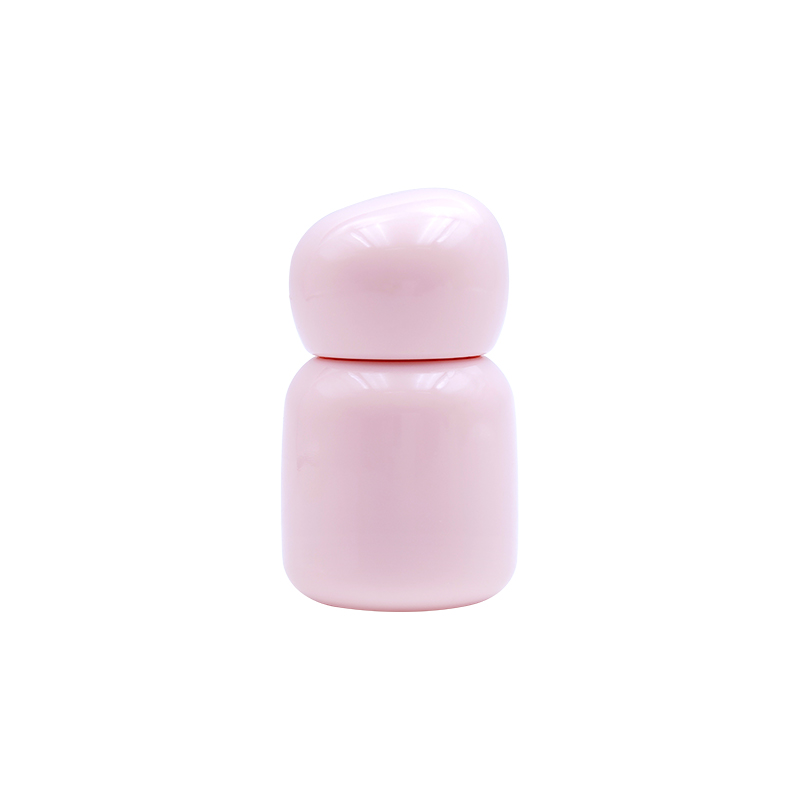
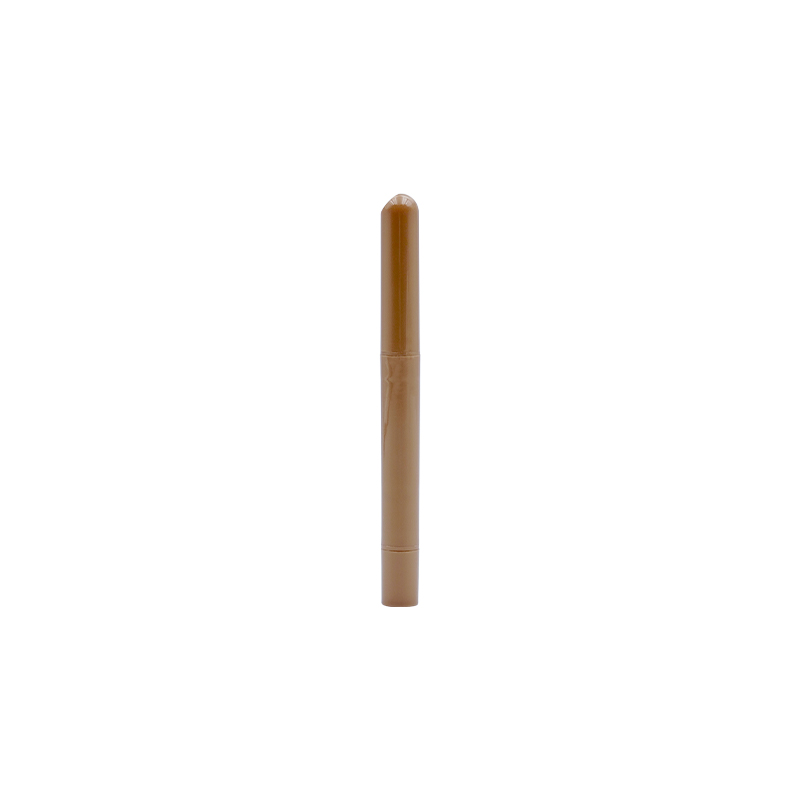
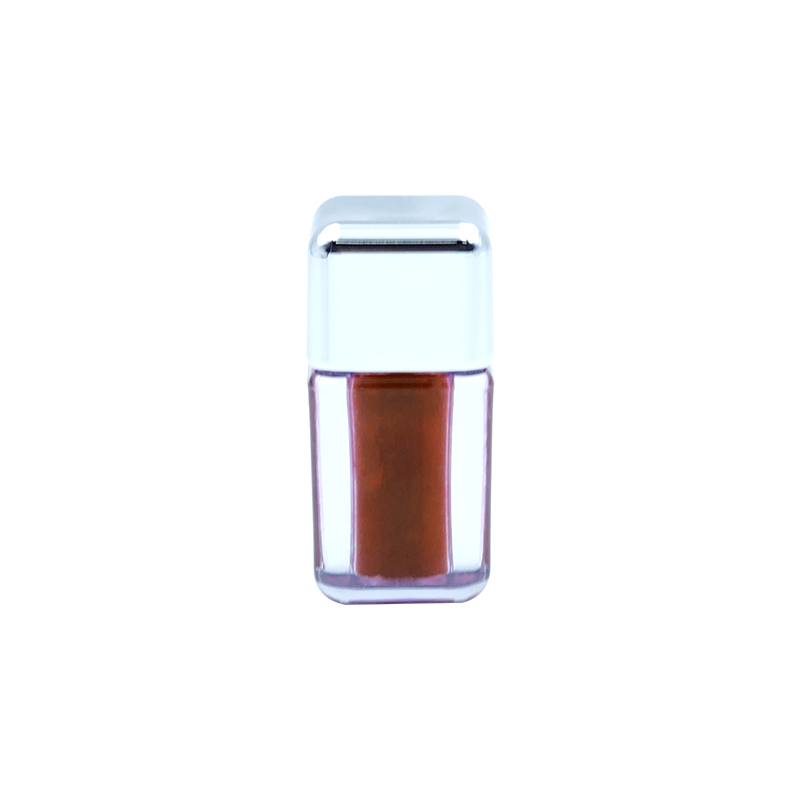
A cheek color can change the way facial proportions are perceived without altering the actual shape of the face. When th...
Everyday eye makeup does not always need strong color or a clearly defined shape. For work, casual outings, or simple so...
Color combination practice is not simply about placing several shades together. It involves observing how colors change ...
Foundation creates a base for color makeup, so its surface condition can change how blush spreads and settles. A smooth ...
Blush color selection has become more varied as makeup habits move between soft daily looks, warm tones, muted shades, a...
Pink can look surprisingly different from one face to another. A soft pink may appear fresh and light on fair skin, whil...


 No.333 Caihong Road,Linjiang Industry, Bailongqiao Town,Jinhua City, Zhejiang Province, China
 +86 13750973917+86 18248557685
 [email protected]
Copyright ©Zhejiang NiFei Cosmetic Co., Ltd. Rights Reserved.