
 SEARCH

 English
 Español
 Português

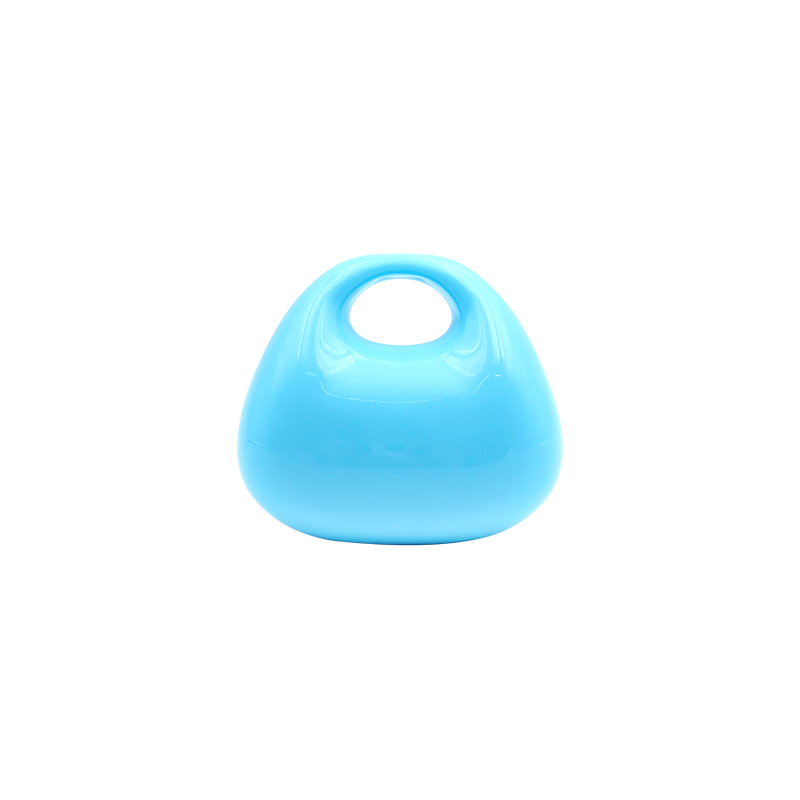
EGG-SHAPED BLUSH CREAM
TEXTURE OF CREAM MOUSSE THE PASTE IS SMOOTH AND HASGOOD COLOR VISIBILITY. Mo...
Makeup habits keep shifting. Fewer people want that sharp, obvious color block on the cheeks now — most are after something that just looks like skin, only a little brighter. That's basically the whole story behind liquid blush's rise.
Compared to powder, liquid formulas sit differently on the face. They're thin, they spread fast, and they don't leave that "painted on" look powder sometimes does. A dab goes a long way, and because the texture is wet, it melts right into whatever's underneath — foundation, tinted moisturizer, bare skin, doesn't matter much.
A Blush Liquid Blusher works well here for one simple reason: control. Use a tiny bit, get a whisper of color. Build it up in thin layers, and the color deepens without turning patchy — assuming you're not rushing the application.
There's also the layering factor. People don't usually just wear blush on its own anymore. It goes on top of or next to foundation, skin tint, sometimes cream highlighter too. Liquid blush plays nice with all of that because it's thin enough not to fight with other products.
A few things keep pulling people toward it:
Makeup trends keep drifting toward "less makeup, but better skin." Formulas that blend without leaving hard edges fit that mood — whether it's a five-minute morning face or something a little more done-up for later.
Blending is really the whole selling point. Swipe it on, then push it around with a finger, sponge, or brush — and it just moves. No fighting the product, no waiting for it to "set" before you can fix a mistake.
Texture does most of the work here. Thin, slippery formulas are forgiving. You can soften an edge with a light pat, or sweep it outward until the line disappears. Try doing that with a stiff, dry powder — much harder.
How people apply it matters too. Most don't slap on a full dose in one go. They build it — a little, check the mirror, add more if needed. That slower approach is honestly what keeps the finish from looking uneven or overdone.
What actually helps with blending:
There's a payoff beyond just looking pretty, too. Even color placement makes the whole face read as more balanced — nothing looks like it's fighting for attention. And since different tools give slightly different finishes, people end up customizing the look without even trying that hard.
Natural makeup isn't really about one product doing all the work. It's about things playing well together. Blush happens to be the bridge — it ties skin tone into the rest of the makeup instead of sitting apart from it.
Because liquid formulas build up gradually, they skip that flat "layer on top of skin" look powder sometimes gives. The product kind of disappears into the foundation (or bare skin), so the edges of the color blur into everything around it.
Where you put it counts for a lot too. Dab it on the right spot, blend the edges out, and the whole face balances better. Small, patient touches beat one heavy swipe almost every time.
| Application Method | Visual Effect | Suitable Makeup Style |
|---|---|---|
| Light tapping | Soft color transition | Everyday makeup |
| Layered application | Adjustable color depth | Natural daily look |
| Brush blending | Even distribution | Balanced makeup |
| Sponge application | Smooth surface finish | Fresh complexion |
None of this needs strong color to work. Subtle tone shifts often read as fresher than a bold cheek ever could — and they leave room for everything else on the face to breathe.
A Blush Liquid Blusher fits this whole approach because the texture just follows the shape of your face rather than covering it up.
Not everyone does makeup the same way, obviously. Some people want three products and out the door. Others build five thin layers before they're happy. A blush that adapts to both extremes ends up fitting almost anyone's routine.
Minimal makeup? A soft wash of color adds warmth without turning the look into "makeup." More layered routine? Same product, just build it up slower until you land where you want.
The finish underneath matters too. Dewy skin pairs naturally with something light and sheer. A more polished, done-up look might call for slower blending and a bit more buildup.
Where this shows up most often:
Because one product flexes across all of that, people don't need five different blushes for five different days. That's really the appeal — one formula, adjusted by hand, fits wherever the day takes you.
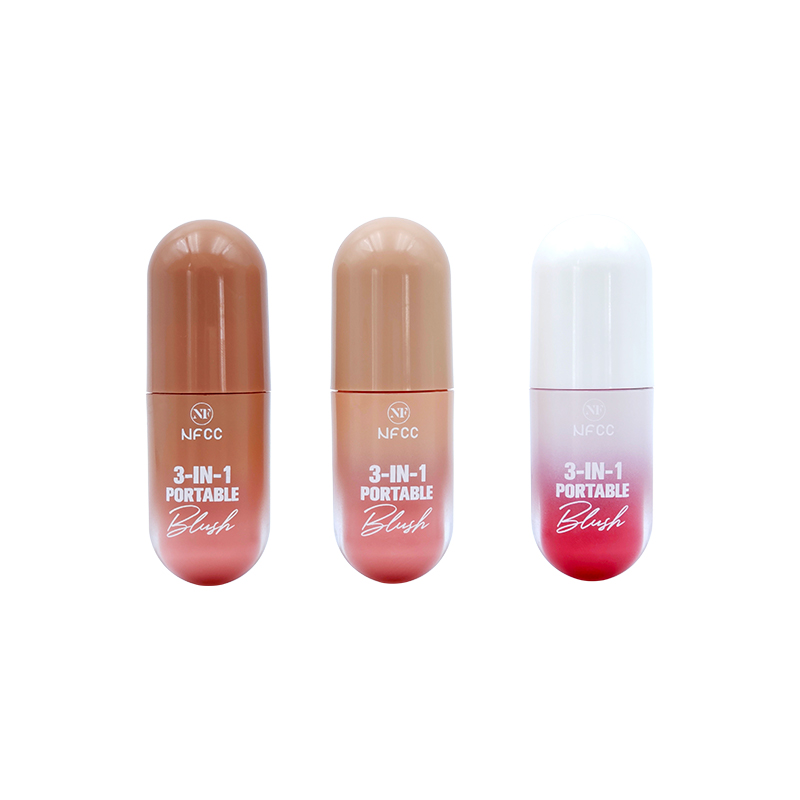
Color isn't really the whole story with a makeup product. How it feels going on, how forgiving it is when you mess up, whether it plays nice with whatever else is on your face — all of that adds up to what people actually remember about a product.
Texture drives most of the application experience. A liquid blush has to move smoothly, or you end up with hard edges nobody wants. Comfortable texture also makes it way easier to gauge how much you're putting on, which matters a lot for anyone going for a lighter look.
How much product you use changes everything too. A touch gives you that soft flush. Add more, and the color builds up — gradually, if you're patient about it. That step-by-step approach basically hands control back to whoever's applying it.
A handful of things tend to shape the wearing experience:
Good wear usually isn't about nailing one single detail. Color, texture, and method all need to line up together — focus too hard on just one and the others tend to suffer.
For anyone making these products, that means actually watching how people use makeup day to day, not just how the formula photographs in a jar. Pretty packaging means nothing if the product falls apart during a real Tuesday morning routine.
Packaging does more heavy lifting than people give it credit for. With liquid blush specifically, the container has to match the texture and let people get out the right amount without wasting half the product on the sides of the tube.
Different packaging styles give pretty different experiences. Some are built for applying straight from the container — no middleman. Others expect you to dab a bit out and blend with a brush or sponge separately. Which one makes sense really depends on how the brand positions the product and how people are expected to use it.
| Packaging Feature | Function In Daily Use |
|---|---|
| Controlled dispenser | Helps manage product amount |
| Compact container | Supports carrying convenience |
| Secure closure design | Helps protect product condition |
| Easy application method | Improves handling experience |
The applicator itself changes the outcome too. Straight application saves time. A brush or sponge gives more room to control the blend. A well-thought-out package basically hands users a couple different routes to get to the look they want.
From a manufacturing standpoint, packaging has to do two jobs at once — protect the formula and stay convenient for daily use. Get either one wrong and people notice fast.
Small stuff matters more than it should, honestly. Easy to open, easy to dispense, comfortable in the hand — these little things quietly shape whether a product feels good to reach for every morning.
Building a liquid blush isn't just about picking a nice color. Texture, packaging, how it feels going on — every piece affects the end experience, so these things really can't be developed in isolation from each other.
Texture consistency needs constant attention during production. Liquid formulas have to hold their feel through storage and shipping too, not just fresh out of the factory. If texture shifts even a little, blending performance and overall feel can shift right along with it.
Color is trickier than it looks too. A shade sitting in a bottle almost never looks the same once it's blended into skin. So there's a fair amount of back-and-forth needed to understand how color actually reads once it's on someone's face, across different makeup styles.
What tends to matter most during development:
Manufacturing control plays into this too — batch-to-batch consistency isn't automatic, it takes careful process control to keep texture and appearance matching from one production run to the next.
People's expectations keep shifting, and cosmetic development has to keep pace. Simple application, comfortable wear, makeup that fits an actual daily schedule — these are the things a lot of users care about now.
Rather than chasing complexity for its own sake, most development work ends up focused on small, practical details. Texture, packaging, application — small tweaks here tend to matter more than big flashy changes.
Makeup habits keep moving, and products have to move with them. A lot of people now want something adjustable rather than something that demands a whole routine just to use correctly.
Liquid blush fits that shift pretty naturally — a light layer for something soft, another pass if you want more visible color, all without switching to a different product or method. Same formula, different intensity, depending on the day.
Natural makeup has pushed development in a similar direction. A lot of newer formulas aim for balance with someone's actual features rather than trying to cover them up entirely.
Where product development seems headed:
Shifting preferences push manufacturers to think about both function and habit at the same time. A cosmetic really needs to feel comfortable to wear while still leaving room for people to do their own thing with it.
Liquid blush, in a lot of ways, represents where makeup routines seem to be headed — simpler, more flexible, less demanding. Through small improvements in texture, packaging, and design, manufacturers keep finding ways to match how people actually want to apply makeup.
As daily makeup habits keep evolving, practical use and natural-looking results will probably stay the main focus for anyone designing these products going forward.
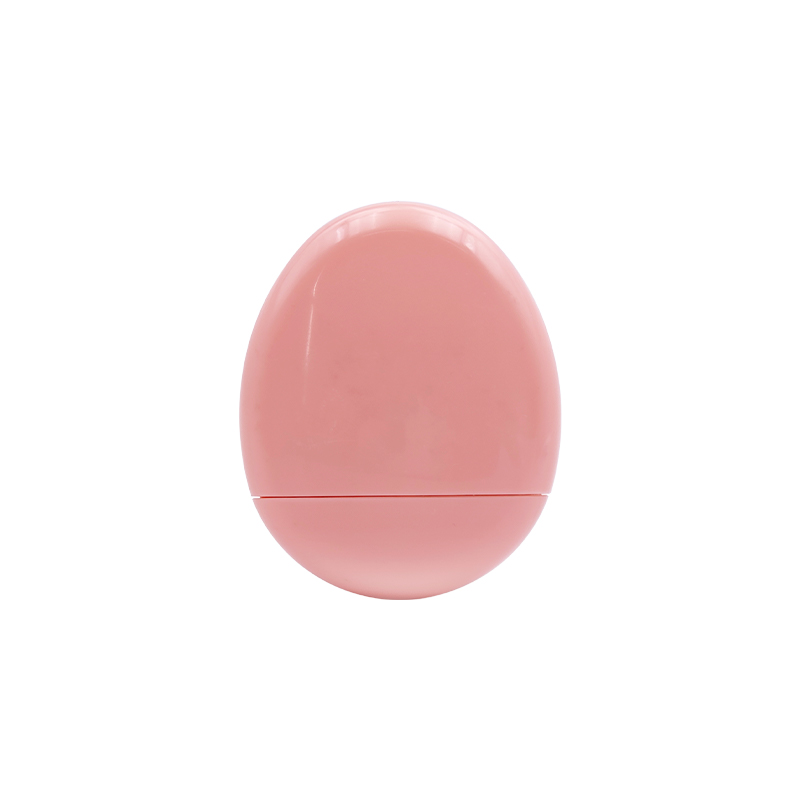

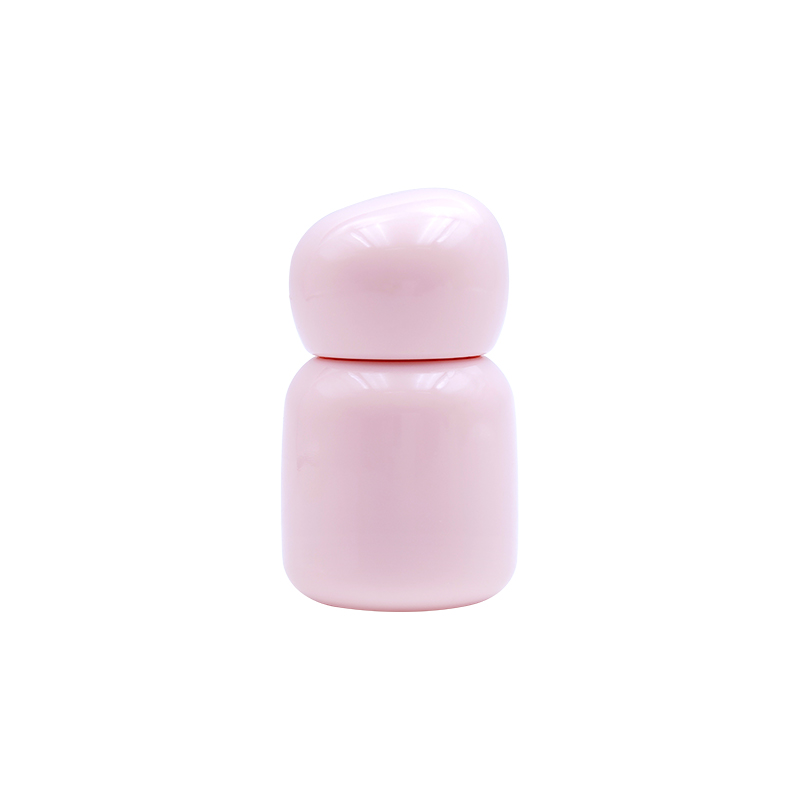
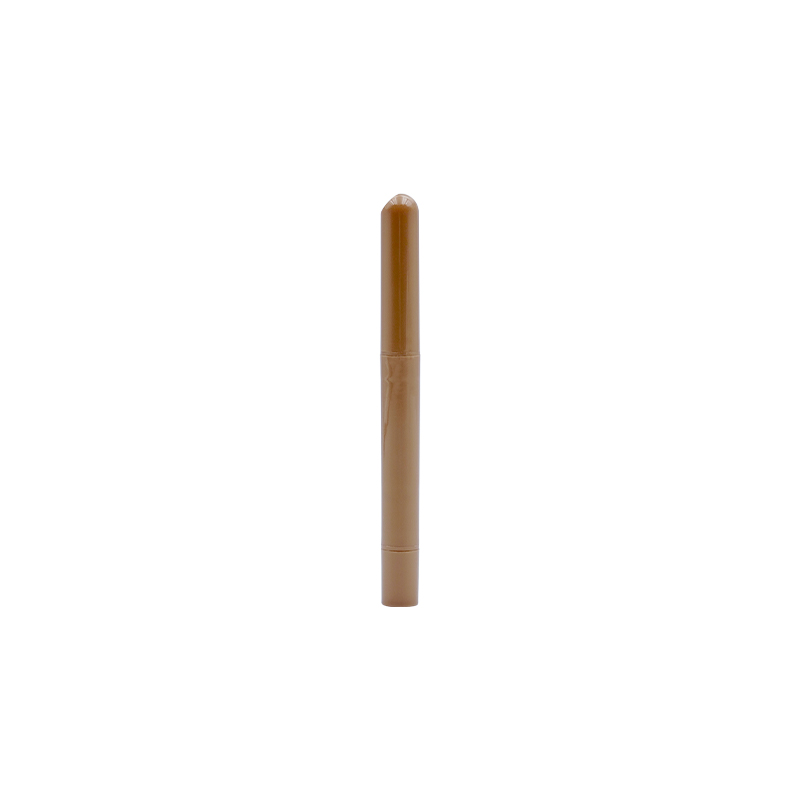
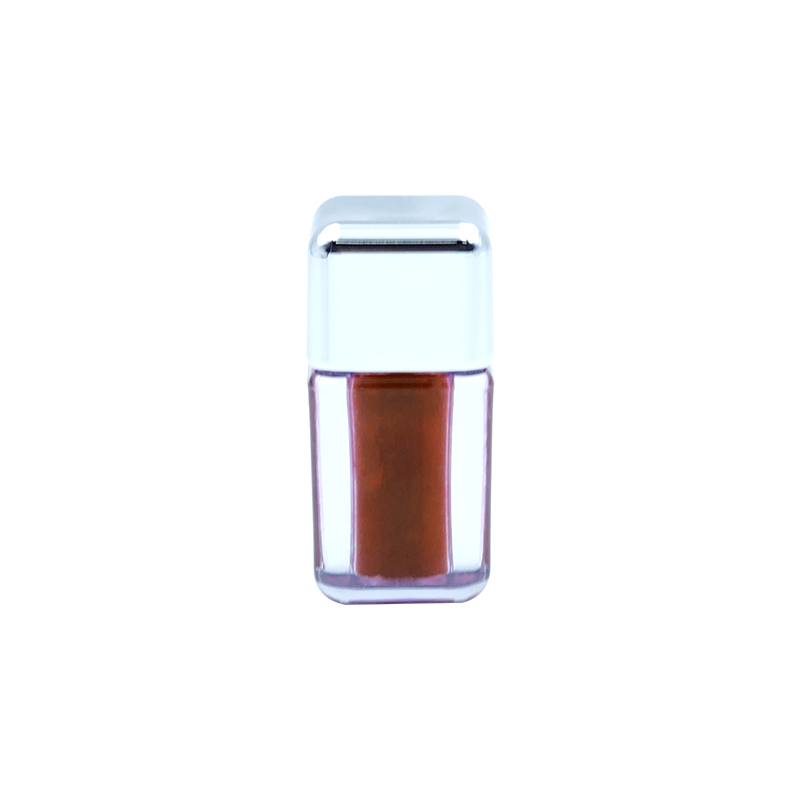
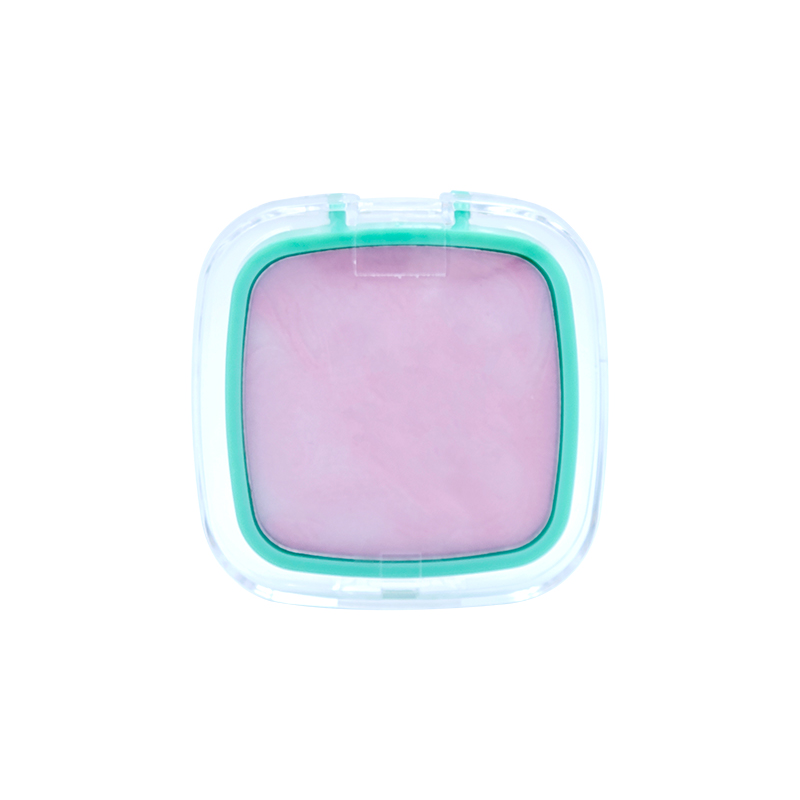
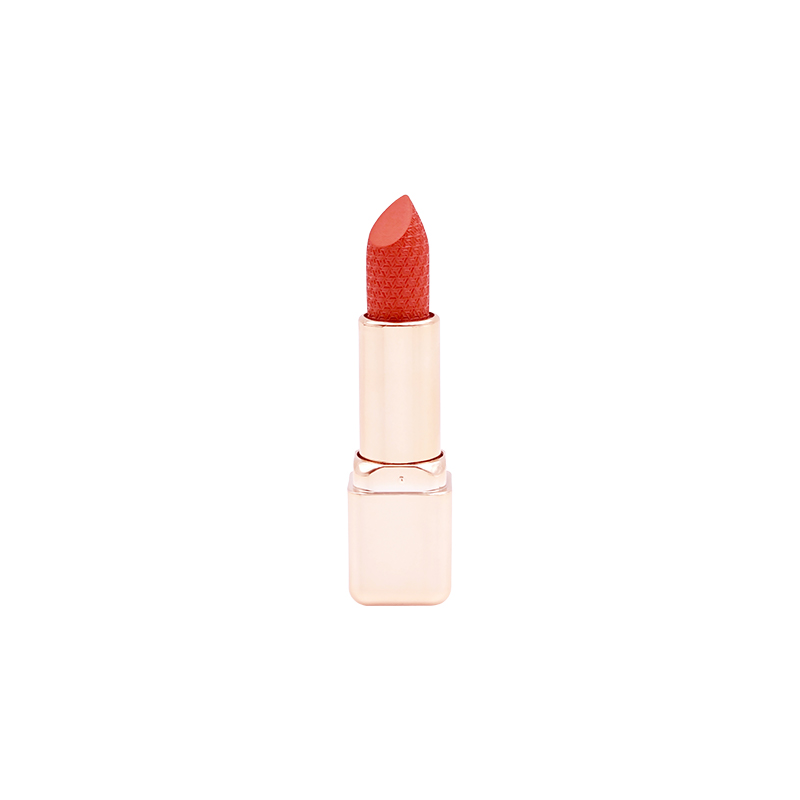
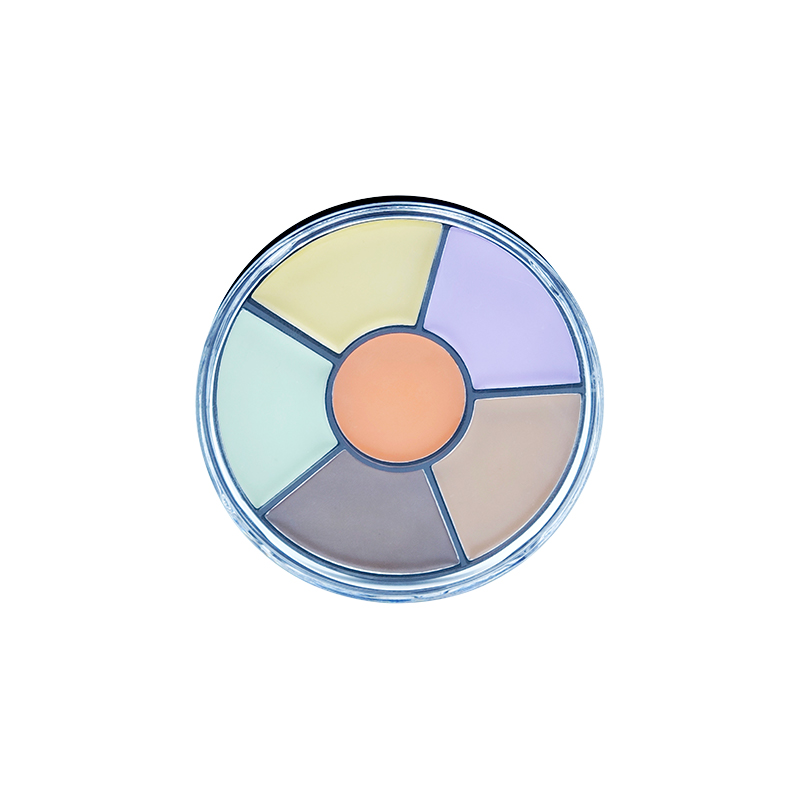
Choosing a lip product isn't only about finding a suitable color. Consumers also consider how the color appears, how i...
Lip makeup has traditionally focused on adding color, while lip care has focused on keeping the lips feeling comfortab...
A cheek color can change the way facial proportions are perceived without altering the actual shape of the face. When th...
Everyday eye makeup does not always need strong color or a clearly defined shape. For work, casual outings, or simple so...
Color combination practice is not simply about placing several shades together. It involves observing how colors change ...
Foundation creates a base for color makeup, so its surface condition can change how blush spreads and settles. A smooth ...


 No.333 Caihong Road,Linjiang Industry, Bailongqiao Town,Jinhua City, Zhejiang Province, China
 +86 13750973917+86 18248557685
 [email protected]
Copyright ©Zhejiang NiFei Cosmetic Co., Ltd. Rights Reserved.