
 SEARCH

 English
 Español
 Português

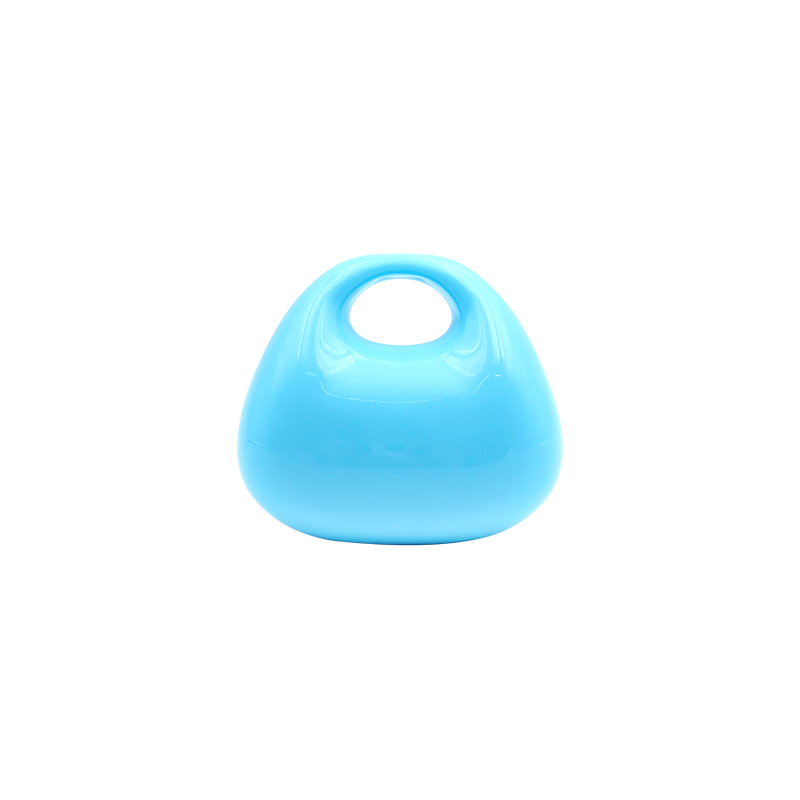
EGG-SHAPED BLUSH CREAM
TEXTURE OF CREAM MOUSSE THE PASTE IS SMOOTH AND HASGOOD COLOR VISIBILITY. Mo...
Lip color changing lipstick behaves in a way that feels slightly different from regular lip color products. At first touch, the texture looks simple and familiar, then color slowly shifts after meeting the lip surface. The change is not random. It follows the condition of the lips at that moment.
After application, the shade does not stay locked. It keeps adjusting for a short period while reacting with surface moisture, temperature, and natural skin balance. The shift is usually gentle, not sudden. In daily use, the same product can look slightly different on different people, and even on the same person at different times.
Common patterns seen during use:
The lips become part of the color process, not only a surface.
Lip condition changes more often than it seems. Indoor air, drinking habits, weather, and even speaking frequency can affect surface texture. All of these small details influence how color develops.
Main factors include:
Dry lips often hold pigment in a tighter way, which can make tone appear deeper. Hydrated lips spread pigment more softly, creating a lighter visual effect. Uneven surface areas may also cause slight differences across the lip line.
Because lips are exposed all day, condition rarely stays the same for long.
When lipstick touches lips, a thin interaction layer forms. This layer is where color behavior begins to change. It is not only the product itself that decides the final tone, but also how the surface responds.
Pigment spreads differently depending on moisture and surface balance. A hydrated surface allows pigment to move more evenly. A dry surface holds pigment in smaller zones, which can shift how color is seen from a distance.
Simple behavior patterns:
Color development continues shortly after application, especially when lips move or touch air flow.
Temperature around the face changes more often during daily movement than expected. Walking indoors, stepping outside, or sitting near airflow can slightly influence lip surface behavior.
Warm conditions tend to support faster pigment response. Cooler air slows down surface interaction, which can make color appear softer or slightly lighter.
Temperature influence often shows in:
The change is usually subtle, yet noticeable when observing closely during different parts of the day.
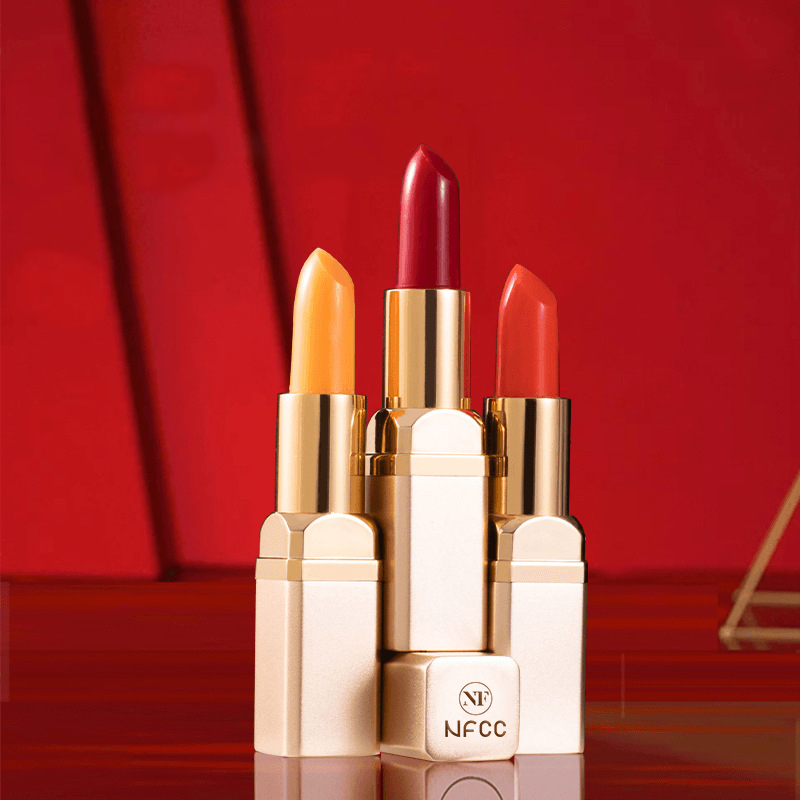
Moisture level has a direct link with how color spreads. Even a small change in hydration can shift the final look.
Typical outcomes:
Lip moisture changes naturally during the day. Talking, drinking, wind exposure, and indoor air all influence it. Because of this, color response is rarely identical from morning to evening.
Skin surface has a mild natural balance that can shift slightly from person to person. This balance interacts with pigment response after application.
The change is not strong, but it influences tone direction. Some lips may show a warmer appearance, while others look slightly cooler under similar conditions.
Key points:
It works together with other factors instead of acting alone.
How lipstick is applied also affects final result. Even with the same product, different application habits can lead to different outcomes.
Influencing actions include:
Thin application usually shows more natural lip influence. Layered application increases pigment presence and may reduce visible variation caused by lip condition.
Color continues to adjust shortly after application, especially during movement or contact with air.
Lips are always exposed to surroundings, so environment plays a constant background role in color behavior.
Common influences include:
Because these conditions change during the day, lip color may also shift slightly without reapplication.
Inside lip color changing lipstick, the material is usually arranged in a layered structure. Each layer plays a slightly different role once it meets the lip surface. One layer carries pigment, another helps spreading, another responds slowly to moisture and temperature.
After contact with lips, these layers do not stay passive. Movement begins through friction, heat from skin, and surface moisture. Color does not jump into a fixed shade. It moves through stages, almost like a slow adjustment.
In daily use, the behavior often feels like:
The structure reacts together with lip environment rather than working alone.
Color change behavior does not look identical on every person. Lips are not the same surface from one user to another. Even small differences in hydration or texture can lead to visible variation.
Some lips hold more moisture, some stay dry more easily. Surface smoothness also changes how pigment spreads. Because of that, one product can appear slightly different across users.
Key differences usually come from:
The product does not create one fixed color. It responds to the condition it meets, so variation becomes part of normal behavior.
Daily lip care quietly changes how lipstick behaves. Lips that are regularly cared for tend to hold a more stable surface condition. That condition affects how pigment spreads and settles.
When lips are dry or uneven, pigment may collect in certain areas. When lips are smoother and more hydrated, color spreads in a softer way.
Common care-related influences:
Over time, these habits shape how predictable or uneven color response becomes.
Color on lips does not remain unchanged after application. It continues to respond for a period of time while lips move, breathe, and interact with the environment.
During wear, small changes appear slowly:
| Wear Stage | Lip Condition Influence | Color Behavior Response |
|---|---|---|
| early stage | high moisture interaction | active color adjustment |
| middle stage | balanced surface condition | stable visible tone |
| later stage | moisture loss and exposure | softer or slightly faded look |
Even after application, lips stay open to surrounding air. Indoor heating, outdoor wind, and humidity shifts all change surface behavior in small ways.
Dry air reduces moisture on the lips, which can make color appear slightly stronger. Humid air softens the tone. Temperature changes may also affect how evenly pigment stays on the surface.
Typical daily influence patterns:
These changes are subtle, yet they add to the overall variation seen throughout the day.
Lip color changing lipstick works through interaction rather than fixed design outcome. The final appearance depends on lip surface condition, daily care habits, and surrounding environment.
Color behavior stays flexible:
Instead of one fixed result, lips become an active surface that guides how color appears and evolves during daily use.
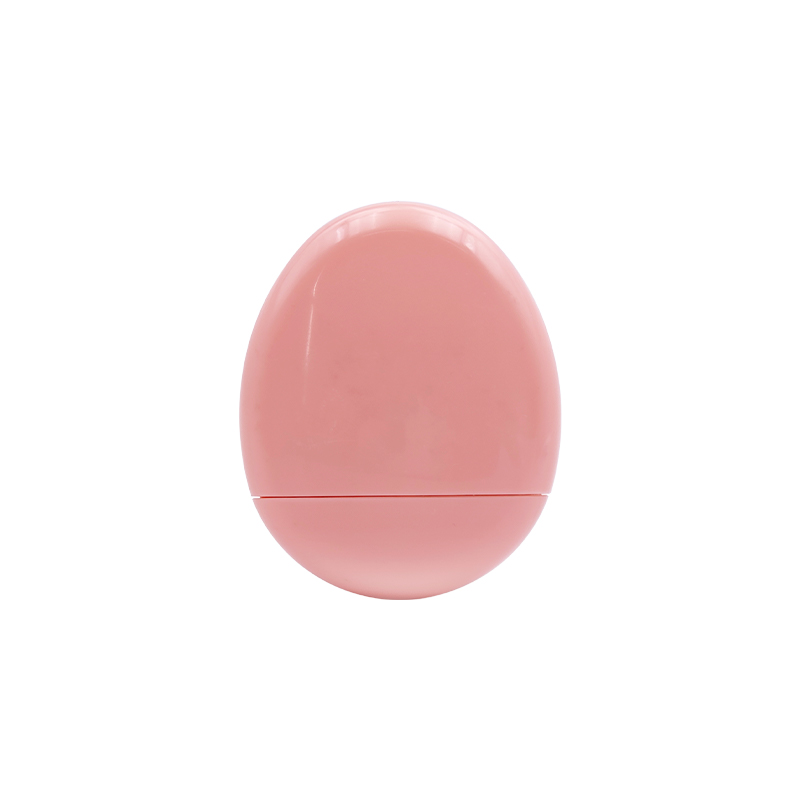

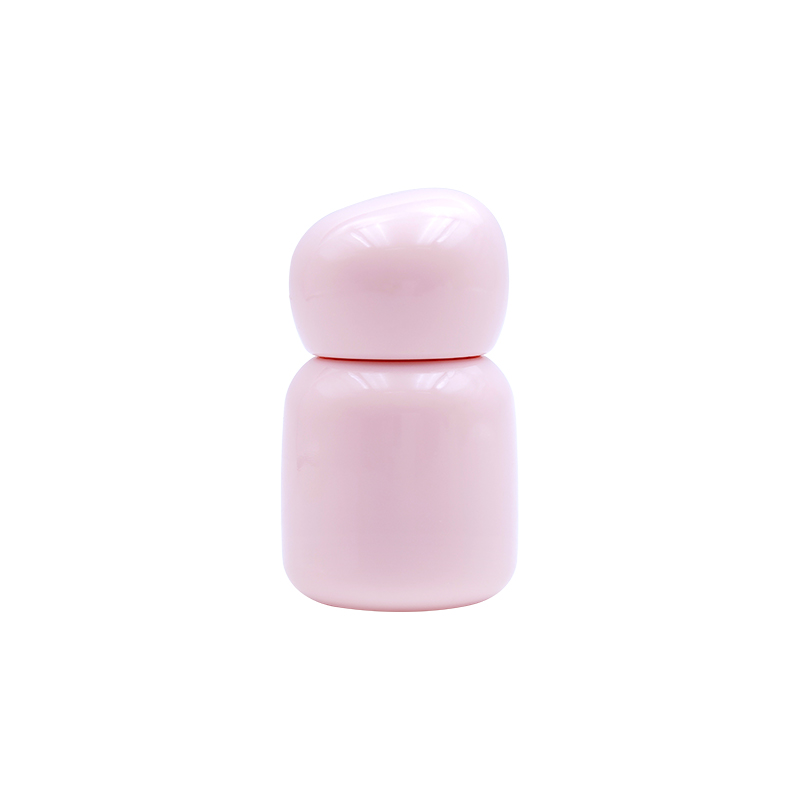
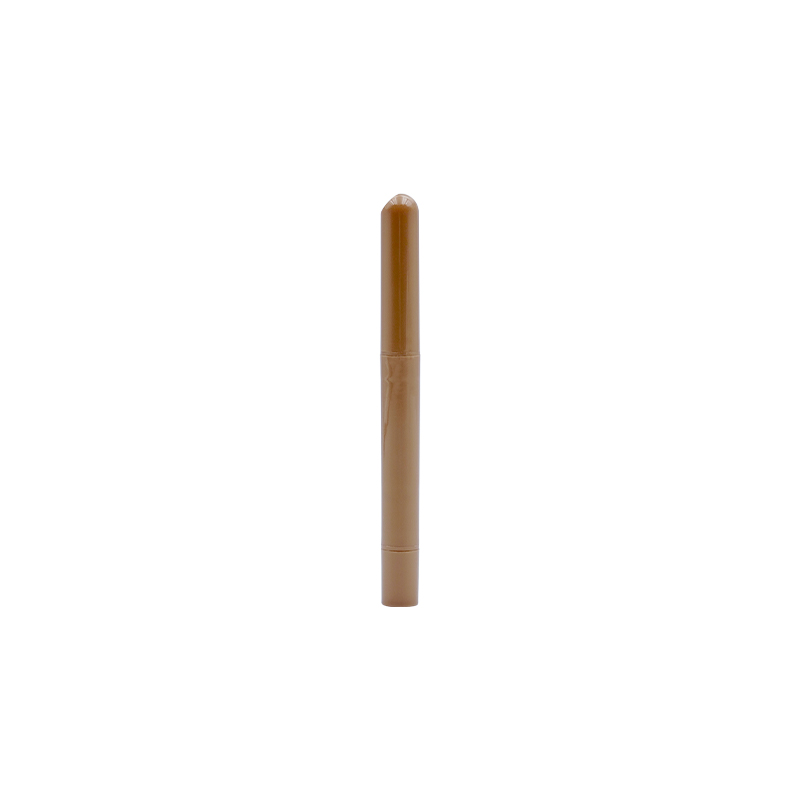
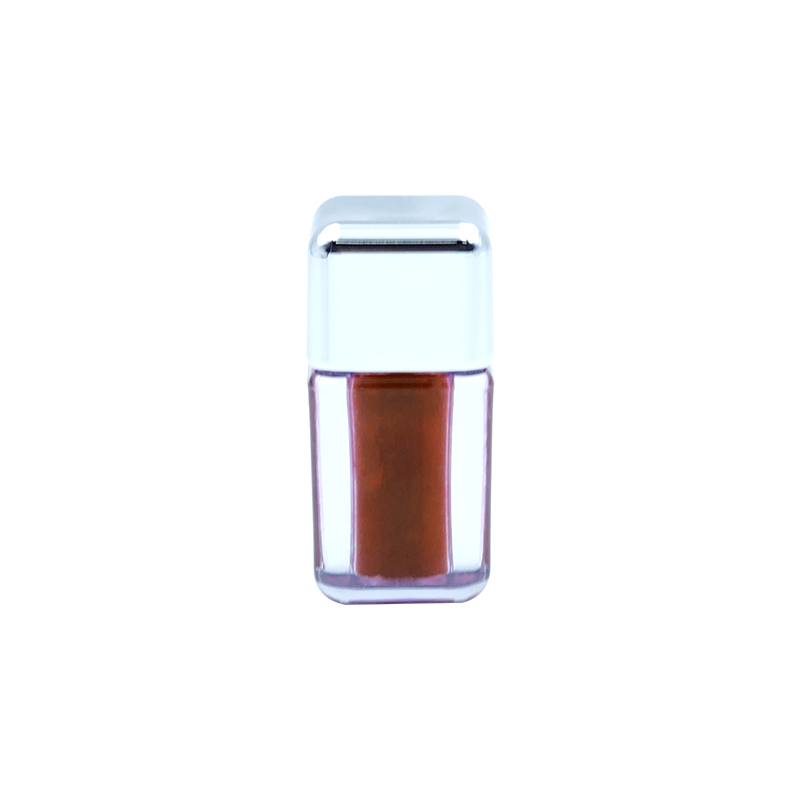
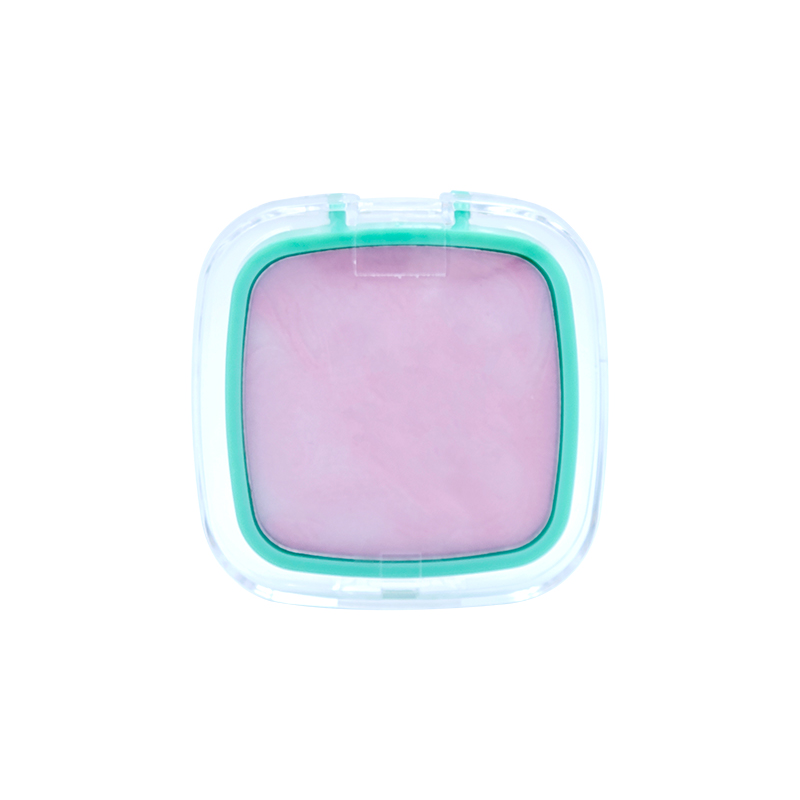
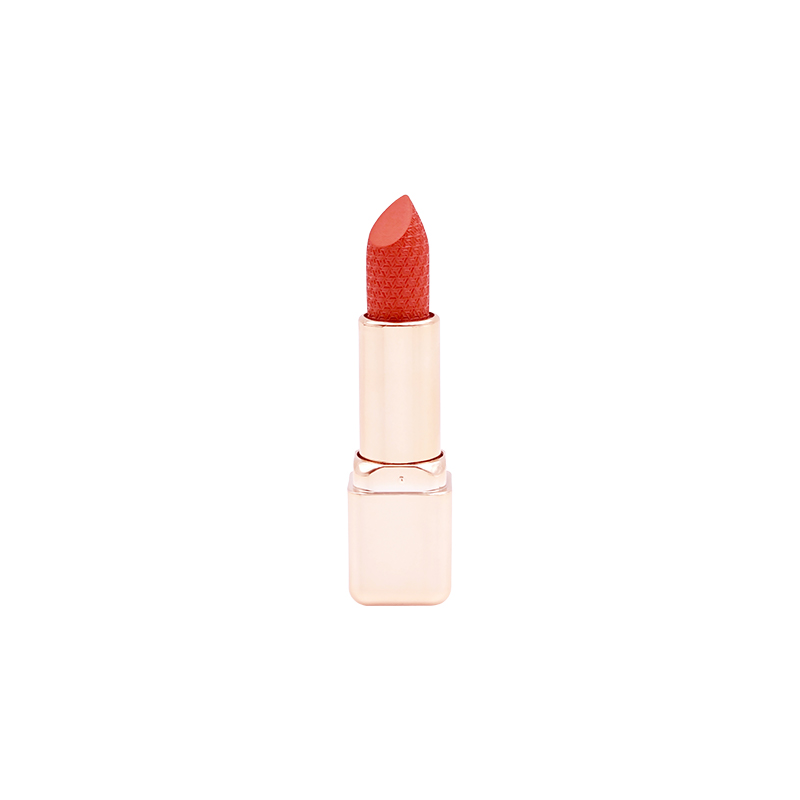
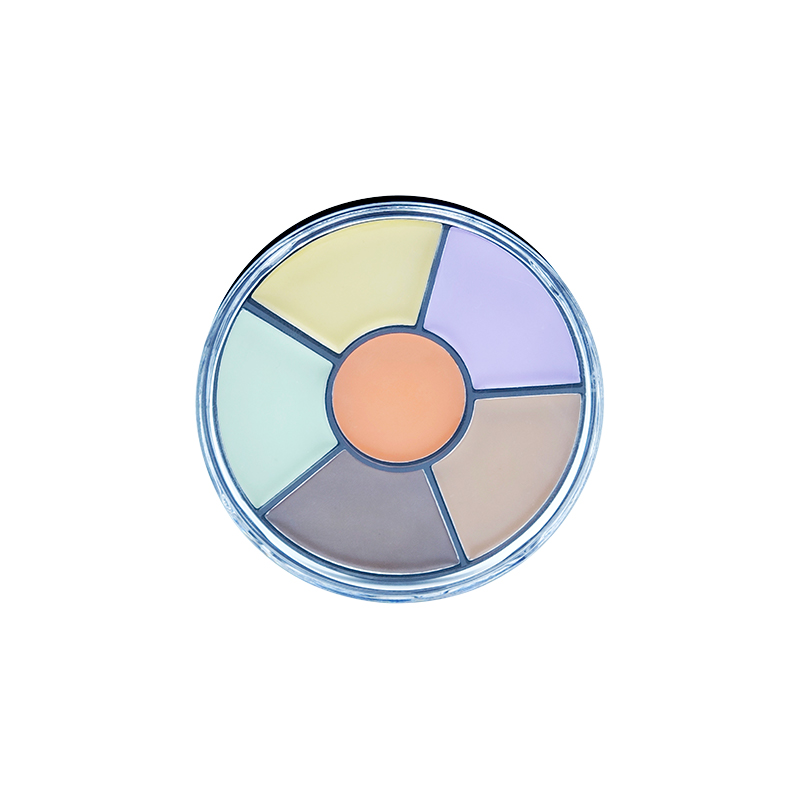
Everyday eye makeup does not always need strong color or a clearly defined shape. For work, casual outings, or simple so...
Color combination practice is not simply about placing several shades together. It involves observing how colors change ...
Foundation creates a base for color makeup, so its surface condition can change how blush spreads and settles. A smooth ...
Blush color selection has become more varied as makeup habits move between soft daily looks, warm tones, muted shades, a...
Pink can look surprisingly different from one face to another. A soft pink may appear fresh and light on fair skin, whil...
A soft blush finish often depends less on the amount of color and more on how the product meets the skin. Pink Fluid She...


 No.333 Caihong Road,Linjiang Industry, Bailongqiao Town,Jinhua City, Zhejiang Province, China
 +86 13750973917+86 18248557685
 [email protected]
Copyright ©Zhejiang NiFei Cosmetic Co., Ltd. Rights Reserved.