
 SEARCH

 English
 Español
 Português

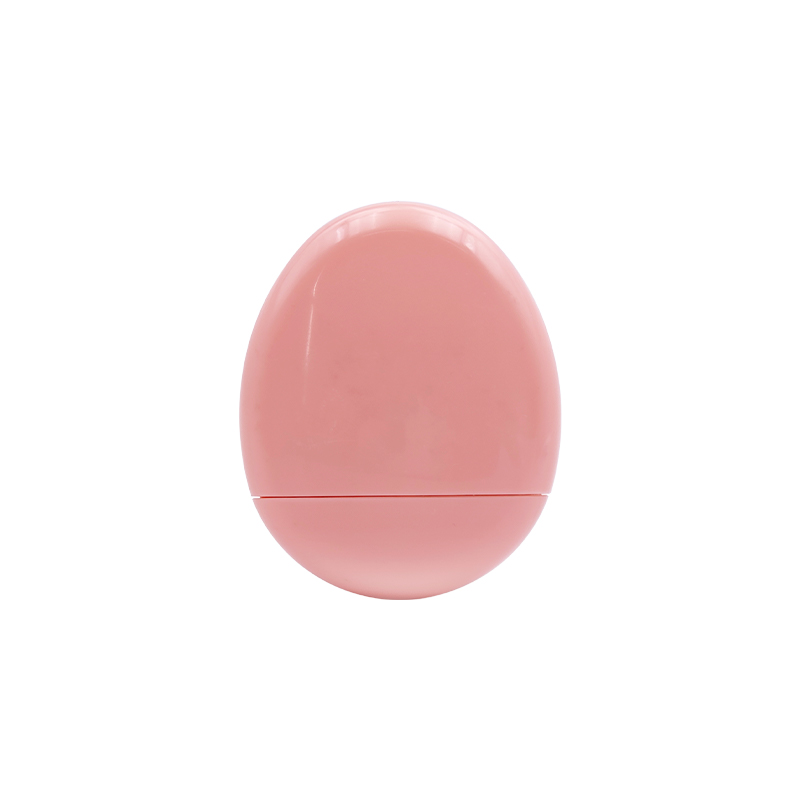
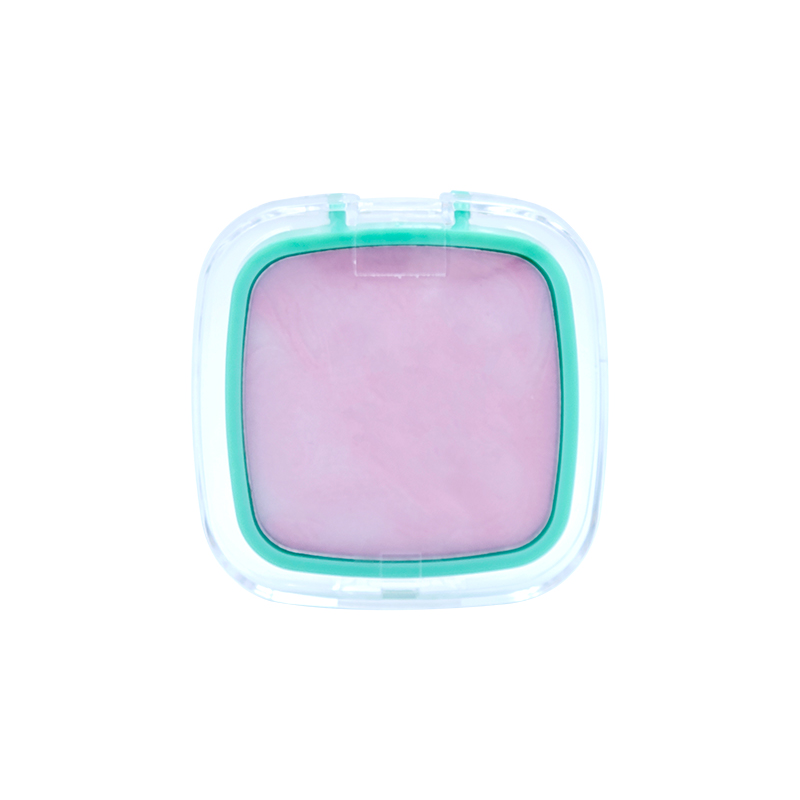
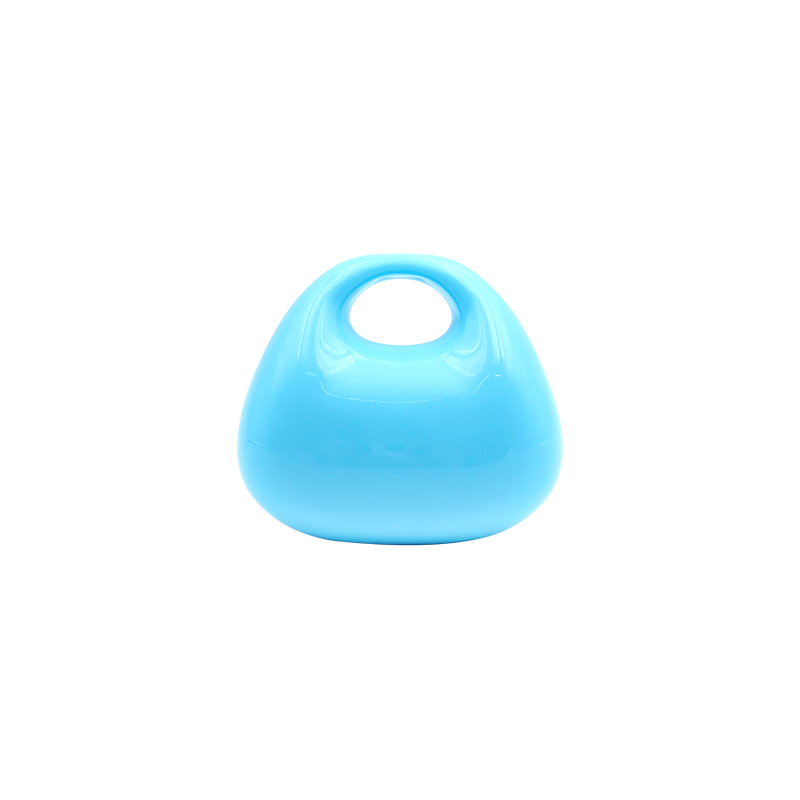
EGG-SHAPED BLUSH CREAM
TEXTURE OF CREAM MOUSSE THE PASTE IS SMOOTH AND HASGOOD COLOR VISIBILITY. Mo...
Makeup application today pays a lot more attention to facial structure than it used to. Blush isn't just tone on the cheeks anymore. A lot of current techniques care more about how different areas of the face talk to each other — where the color sits, which way it moves, how strong it is. All of that changes how proportions read, and honestly changes the entire feel of a look.
Face shape changes what works. A rounder face usually wants a different color direction than a longer one does. Sharper features often need softer transitions between the cheek and everything around it, otherwise things can look disjointed rather than intentional. So instead of one fixed method for everyone, a lot of application now starts from facial balance first and works outward from there.
That's basically where Beauty Makeup Blush comes in — cheek color has a direct hand in how light, shadow, and contour interact on the face. Get the placement right, and it works with what's already there naturally instead of overriding it.
A few things tend to get weighed when matching blush to face shape:
What works for one face won't necessarily translate to another, even with similar technique. That's really the whole point — understanding how shape and placement interact is what makes a technique adaptable instead of a template everyone gets stuck with.
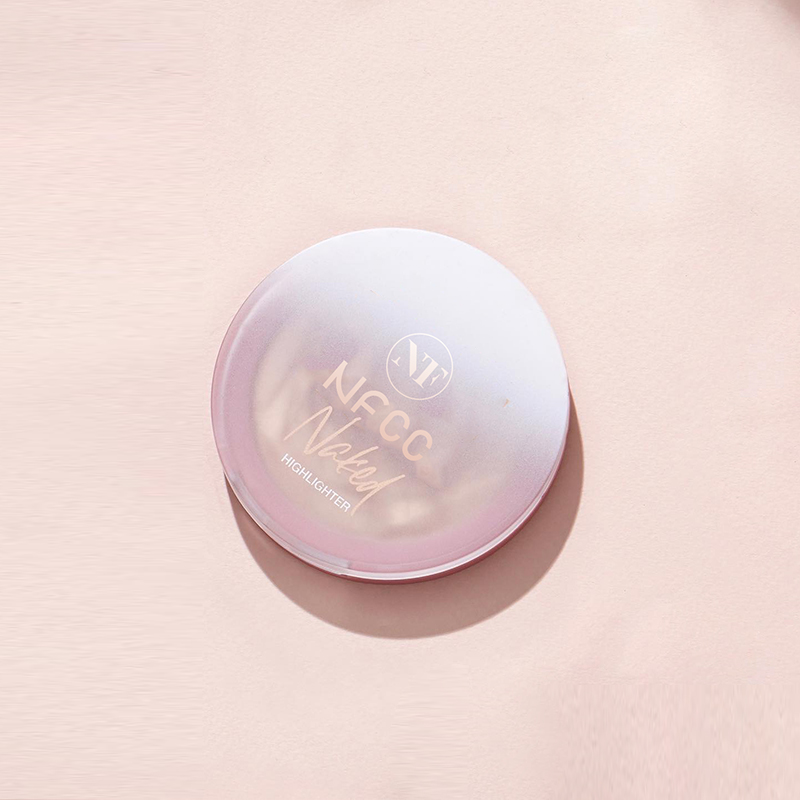
Move blush up, down, in, or out, and you get a completely different impression each time. That's because each spot interacts differently with the eyes, nose, jawline — nothing sits in isolation on a face.
Higher placement, closer to the cheekbone, tends to read lighter, more lifted. There's a real connection there between where the color sits and how structured the overall look feels. Center placement softens things — color sitting closer to the natural middle of the face just reads gentler, more everyday. Push it outward, toward the sides, and attention shifts to the edges of the face instead, which sharpens the whole contour story when it's paired well with everything else going on.
| Blush Placement Area | Visual Influence | Suitable Makeup Direction |
|---|---|---|
| Upper cheek area | Adds height perception | Refined and structured styles |
| Center cheek area | Creates a softer appearance | Natural everyday styles |
| Outer cheek area | Enhances facial outline | Defined makeup styles |
| Blended cheek area | Creates smoother transitions | Balanced overall looks |
None of this is dramatic on paper. A centimeter here or there doesn't sound like much. But light and shadow don't need much to shift, and that's really the whole mechanism behind why placement matters as much as it does.
Face shape isn't the only thing driving the decision, not by a long shot. Skin tone matters. Personal style matters. What else is going on the face that day matters. Even the occasion changes things — a quick weekday look calls for something lighter, while a bigger event usually means more thought goes into dimension and placement.
Color coordination pulls a lot of weight too. A shade that actually fits the rest of the look tends to connect the face together rather than sitting there as its own separate thing. Texture plays in here as well — some formulas layer softly, others hold a stronger, more defined edge, and which one fits depends on what the rest of the face is doing.
Everything else on the face factors in, too. Eyes, lips, highlighter — cheek color doesn't operate alone. A Highlighter Eye Stick, for instance, adds brightness around the eyes that can echo or balance whatever's happening on the cheeks, and that kind of back‑and‑forth is really what holds a full look together rather than any single product doing the work by itself.
Beauty trends have been drifting away from fixed rules for a while now, and blush is no exception. Faces vary too much for one method to actually serve everyone well, so technique has had to loosen up.
Older approaches leaned on repeating the same placement no matter who was in the chair. That's changing. More attention goes toward proportion now, more flexibility in where color actually lands, more interest in transitions that don't look obviously "applied." A few things stand out here:
None of this requires anything complicated, either. Small shifts — placement, blending, shade — do most of the work on their own. Product development has followed right along with this shift, too. Brands keep adjusting texture, packaging, even how products are meant to be combined, because habits around application keep moving. Beauty products increasingly track personal style rather than sticking to one narrow color function.
Texture decides a lot about how makeup sits on skin and how it blends once it's there. Powder stays light. Cream tends to blend smoother. Liquid spreads differently depending entirely on how it's worked in.
Which texture actually fits comes down to the look someone's going for, how they apply things day to day, their skin, and what else is going onto the face alongside it. Blending matters more than people give it credit for — facial makeup usually needs gradual transitions, and a harsh edge can throw off the whole relationship between cheek color and the rest of the face. When cheek, eye, and highlight products share similar textures, the whole thing tends to come together with a lot less effort.
Facial makeup really works as a combination of areas rather than a string of separate color steps. Cheek color, eye makeup, highlighting — they all lean on each other, because light reflection and color balance don't respect the boundaries between "cheek zone" and "eye zone" the way product packaging might suggest.
A coordinated look usually comes down to warm versus cool tones, how intense the color runs, and where things actually get placed. Keep that connection natural across different areas, and features tend to read as more balanced overall.
A few combinations deserve real attention:
Brightness around the eyes changes how cheek color reads, sometimes in ways that aren't obvious until you actually see it happen. Add contrast up there, and dimension across the face can shift entirely — not always dramatically, but enough to notice.
A Highlighter Eye Stick is one product built specifically for that kind of light effect around the eyes. Paired with cheek products, it can tie bright areas and colored areas together into something that reads as one look rather than several unrelated choices.
Order matters here too, honestly more than people expect. Makeup artists think about how layers stack, since color relationships can shift once blending actually happens — what looked right dry doesn't always look right blended in.
Modern routines lean into that kind of overall harmony more than older step‑by‑step thinking ever did. Rather than treating each product as its own isolated task, a lot of technique now starts from how areas are going to interact once everything's on.
| Consideration | Purpose | Influence on Application |
|---|---|---|
| Color Selection | Supports different makeup styles | Changes facial expression and tone |
| Texture Design | Matches various application methods | Affects blending experience |
| Packaging Form | Supports convenient handling | Influences daily usage |
| Product Combination | Connects different makeup areas | Creates coordinated styles |
Color selection means paying attention to how shades sit against different skin tones and different styles — one approach rarely fits every face, so development tends to widen out rather than narrow in. Texture design shapes performance too. Something that blends smoothly suits softer looks; something else might hold up better for sharper, more defined placement.
Packaging ties into daily habits more than people give it credit for. Easy handling, easy storage, how it fits into a five‑minute morning routine — all of that shapes whether a product actually gets used regularly or just sits in a drawer.
Product combinations are becoming a real part of this conversation too. Items built to work alongside each other support more flexible routines, rather than forcing someone to hunt for compatible pieces on their own.
Facial dimension has picked up more attention as makeup concepts keep evolving. A lot of current technique leans toward enhancing what's already there structurally, rather than trying to build something entirely different on top of it.
Color, brightness, shadow — they work together to shape how features actually get perceived. Blush stopped being just "cheek color" a while ago; placement and coordination with everything else now shape the outcome just as much as the shade itself.
A few things really drive facial dimension:
Design keeps circling back to individual characteristics rather than generic rules. Different shapes call for different approaches, simply because proportion changes how color reads on each face.
Product development follows that lead by chasing flexibility — different textures, different colors, different methods, all built to support different choices rather than one universal answer. And this whole connection between makeup and structure keeps generating real discussion in the industry, with professionals still working out how placement interacts with different features while keeping things looking natural rather than obviously done.
Beauty development will likely keep drifting toward flexible design that matches how people actually apply makeup, rather than how a brand imagines they should. Shifting styles push manufacturers to think in more detail about what users actually need.
A few areas look set for continued attention:
Color systems could end up tied more closely to facial structure and personal styling rather than sitting as standalone shades on a shelf. Development might start considering how colors function together across a full routine instead of judging each one in isolation.
Texture innovation seems likely to keep moving too — different people want different blending, layering, and finish, and that variety in preference creates real demand for more variety in product.
Application method is worth watching as well. Designs that stay simple and flexible can support different skill levels without demanding anyone learn a complicated technique just to use a blush.
Product combinations will probably keep developing as routines become more integrated overall. Eye, cheek, and highlight products may end up designed with much stronger built‑in connections between each other than they have now.
Personalized approaches are changing how products get designed and used, full stop. Facial differences push the industry toward individual styling rather than one method applied identically to everyone who walks in.
Industry development increasingly ties into understanding facial structure, application habit, and product interaction all at once. Manufacturers aren't just thinking about color anymore — they're thinking about how a product slots into a complete routine.
Personalization, importantly, doesn't mean piling on more products. It's really about picking the right colors, textures, and placement for what a specific face and routine actually need.
Beauty Makeup Blush captures this shift well, since cheek color has a direct hand in facial dimension and overall balance. Its role keeps expanding — from simple color application toward something more integrated into facial styling as a whole.
Future trends will probably keep merging product design with practical application knowledge. Facial structure, texture experience, product coordination — these will likely stay central to where the beauty industry heads next.
The relationship between face shape and makeup application really shows that placement ties closely to personal expression. Careful matching between features and product characteristics is what lets makeup styles keep becoming more flexible, more diverse, and more genuinely suited to the person wearing them.

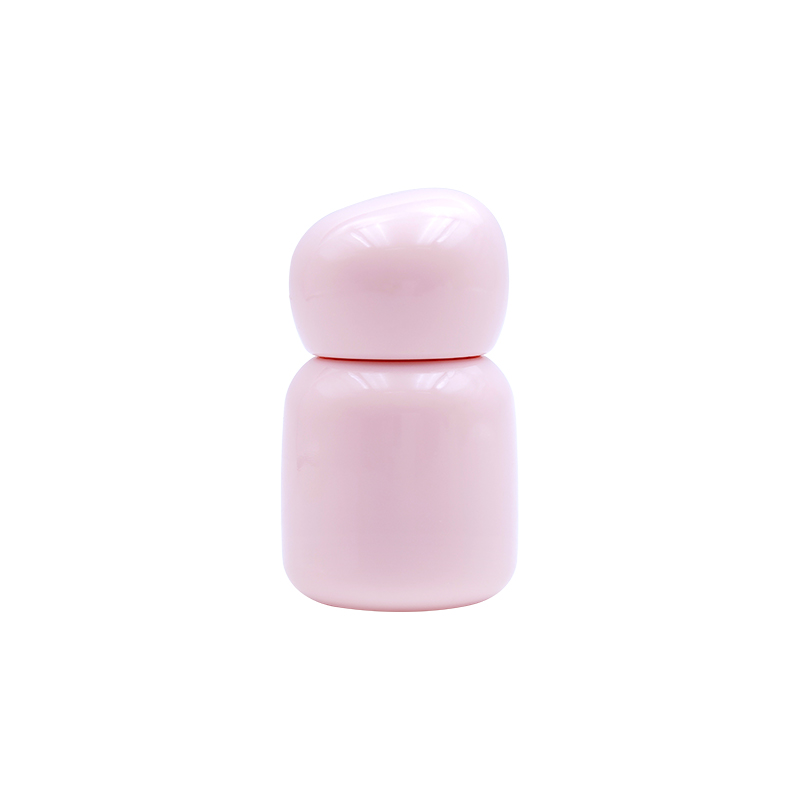
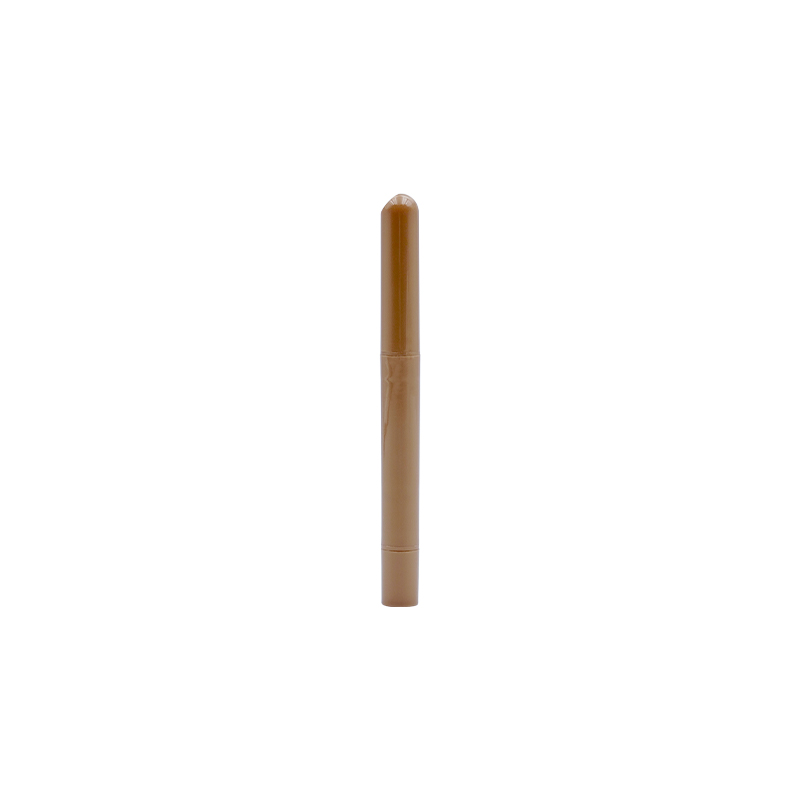
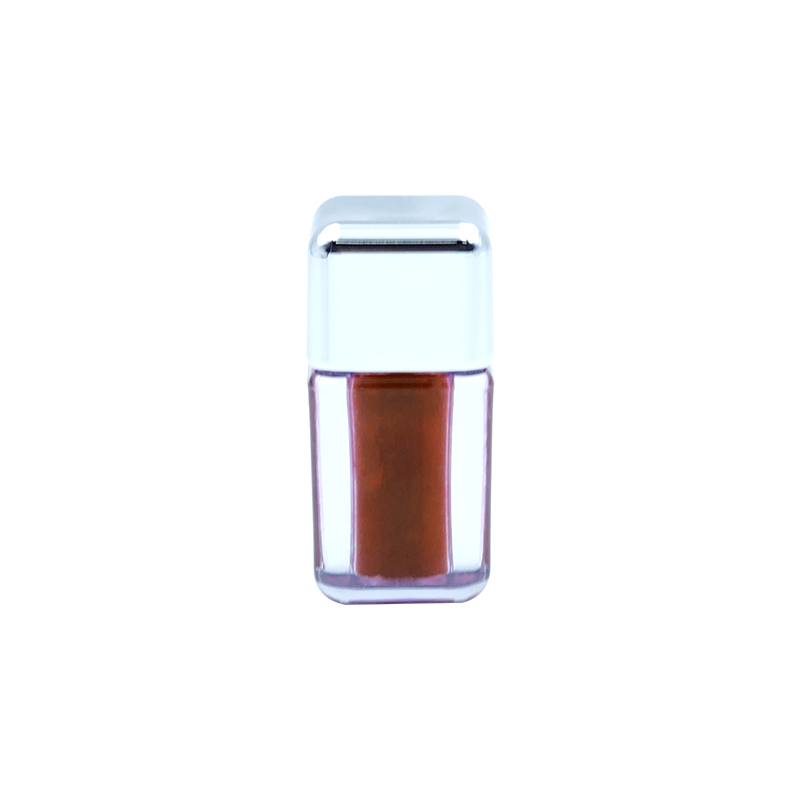
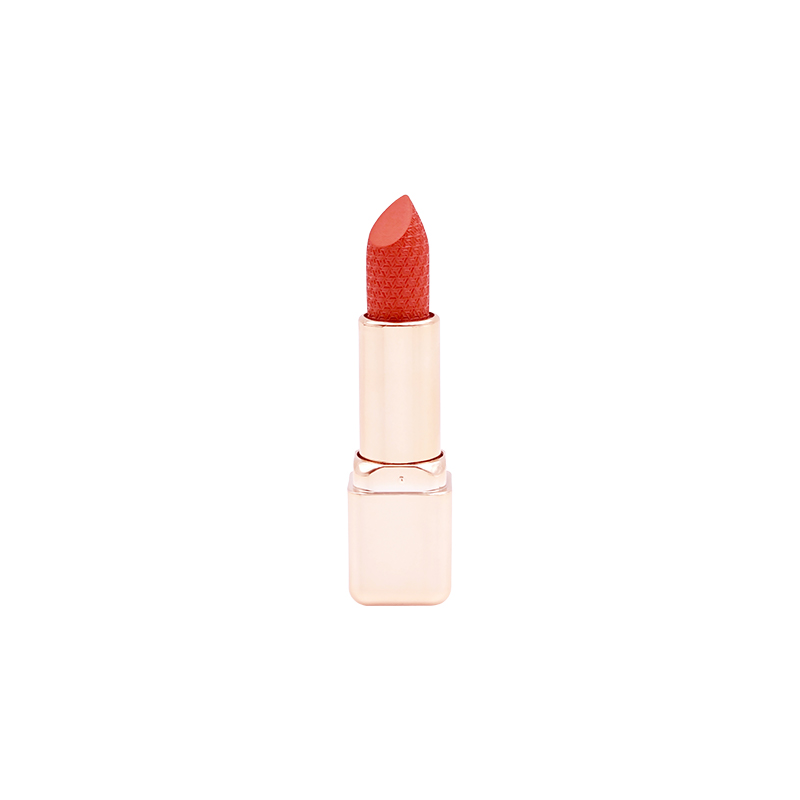
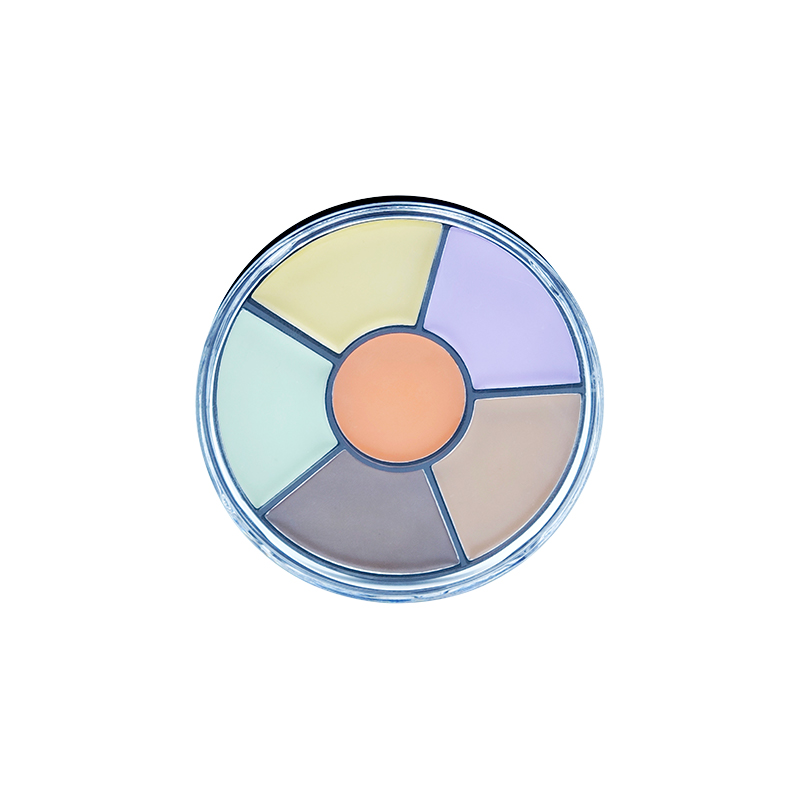
Everyday eye makeup does not always need strong color or a clearly defined shape. For work, casual outings, or simple so...
Color combination practice is not simply about placing several shades together. It involves observing how colors change ...
Foundation creates a base for color makeup, so its surface condition can change how blush spreads and settles. A smooth ...
Blush color selection has become more varied as makeup habits move between soft daily looks, warm tones, muted shades, a...
Pink can look surprisingly different from one face to another. A soft pink may appear fresh and light on fair skin, whil...
A soft blush finish often depends less on the amount of color and more on how the product meets the skin. Pink Fluid She...


 No.333 Caihong Road,Linjiang Industry, Bailongqiao Town,Jinhua City, Zhejiang Province, China
 +86 13750973917+86 18248557685
 [email protected]
Copyright ©Zhejiang NiFei Cosmetic Co., Ltd. Rights Reserved.