
 SEARCH

 English
 Español
 Português

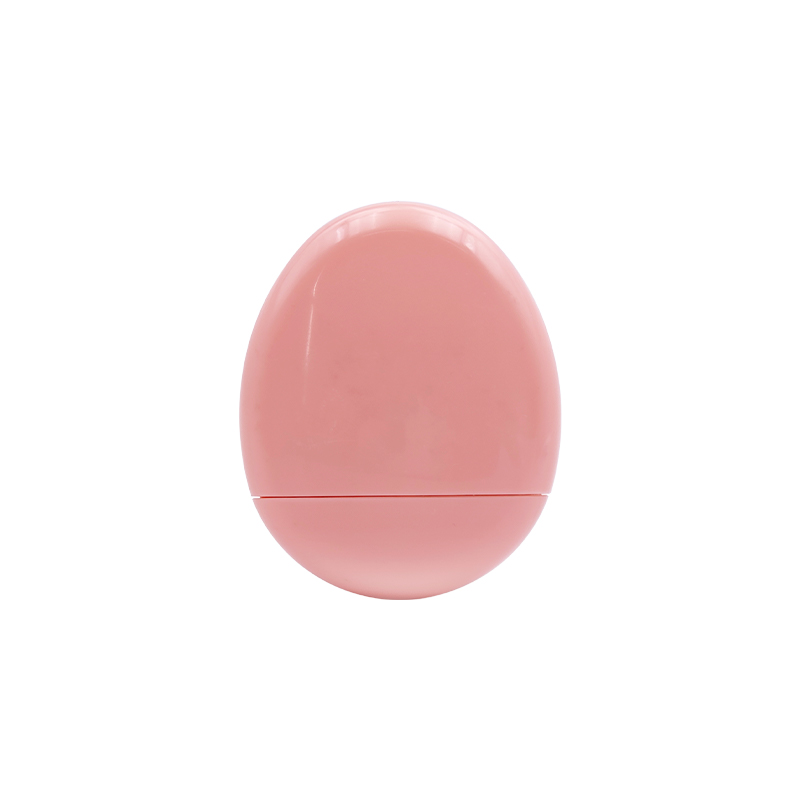
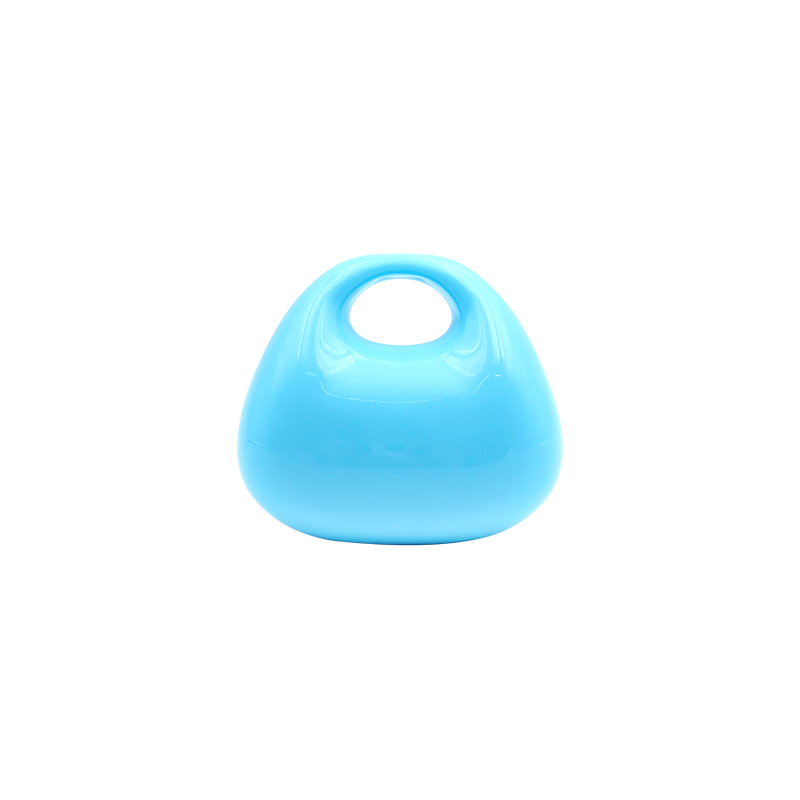
EGG-SHAPED BLUSH CREAM
TEXTURE OF CREAM MOUSSE THE PASTE IS SMOOTH AND HASGOOD COLOR VISIBILITY. Mo...
Eye makeup rarely depends on one shade doing all the work. Most of the time, the final look comes from how different tones sit next to each other and how softly they shift from one area to another.
An Eye Contour Palette usually works close to the natural shape of the eye. It sits around the crease, the outer corner, sometimes under the lash line. Eyeshadow colors cover more surface, often across the lid. When both are used together, the eye area starts to feel shaped instead of flat.
In real daily situations, lighting changes everything. A room with soft light hides contrast. Sunlight outside makes every small difference in tone more visible. Because of that, color matching becomes less about picking pretty shades and more about how those shades behave when they meet skin.
What usually matters most in practice:
Some combinations look fine in a palette, then feel slightly off once applied. That gap usually comes from tone interaction, not single color choice.
An Eye Contour Palette is less about color impact and more about shaping. It works like a quiet outline around the eye structure.
Most sets include tones that sit in a simple range:
Nothing is meant to stand alone. Each shade supports the next step.
In use, contour shades tend to stay close to natural eye movement lines. They follow the fold of the lid instead of sitting on top like a flat layer. That is why placement feels more important than brightness.
When applied lightly, contour tones can make the eye look deeper without adding obvious makeup edges. When overused, the shape can look heavy or slightly separated from the rest of the face.
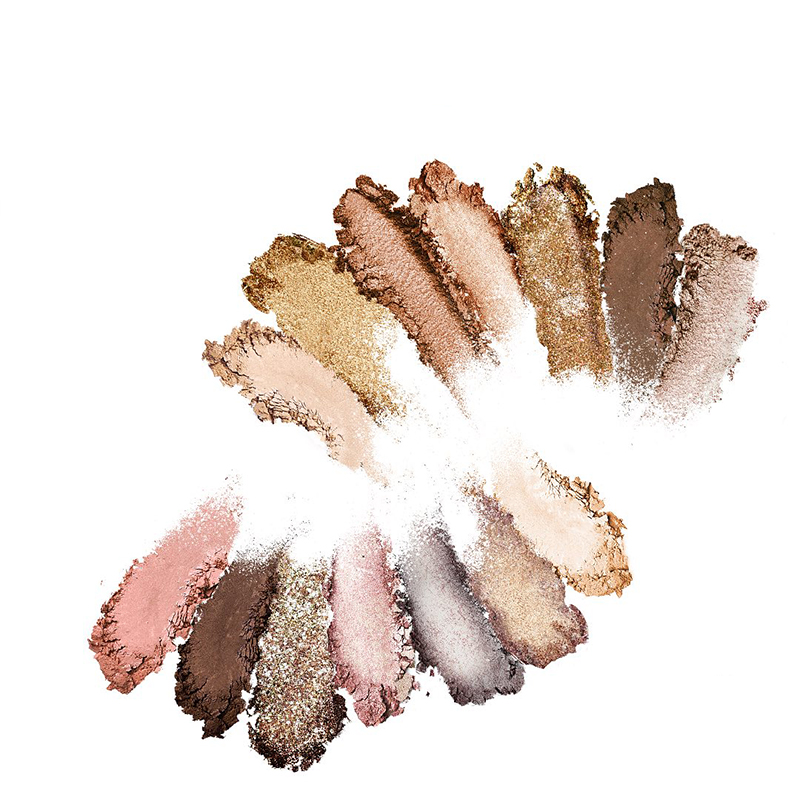
Color tone changes how the same eye structure is read by others. Warm tones often blend into skin more quietly. Cool tones tend to stand out with clearer edges. Neutral tones sit in between and feel easier to control.
There is no fixed rule that one direction is better. It depends on how much contrast is wanted and how soft the final look should feel.
In real application:
The challenge is not choosing a tone, but keeping it consistent across layers. When the contour leans warm and the lid shade leans cool, the eye can start to feel split instead of unified.
A 9 Color Eyeshadow Palette usually carries a small system inside it. Some shades are light, some are mid, and a few are deeper. The trick is not using all of them, but finding which ones can live near the contour tones without fighting them.
A simple way to think about it:
A practical matching approach often looks like this:
When everything stays in the same tone family, blending feels easier. When tones jump too far apart, edges start to look harder to smooth.
| Contour Feeling | Eyeshadow Choice | Result On Eye |
|---|---|---|
| soft beige base | light nude tones | calm, barely visible makeup edge |
| warm soft brown | earthy mid shades | gentle depth, everyday feel |
| neutral grey-brown | muted palette mix | balanced shape without strong contrast |
| slightly deeper tone | soft brown lid color | clearer eye outline, still natural |
Matt Nude Eyeshadow usually doesn't stand out on its own, yet it changes how every other color behaves.
It acts like a quiet buffer layer.
Without it, contour shades can feel too direct against bare skin. Eyeshadow colors may sit unevenly, especially near the crease line.
With a matte nude base:
It also helps when palette colors are slightly different in strength. Instead of forcing strong blending, the nude layer gives space for adjustment.
In many daily looks, this step is what makes makeup feel "finished" even when colors are simple.
Eye depth is not about stacking darker colors. It is more about how gradually tones shift.
A simple flow often works better than complex layering:
If each layer feels like a separate block, the eye can look divided. When layers melt into each other, depth feels natural.
A small detail that often gets missed: pressure during blending. Light pressure usually keeps tones connected. Heavy pressure can pull colors apart.
Eye makeup reacts differently depending on skin tone underneath. The same contour shade may look warmer on one person and cooler on another.
In general patterns:
Still, real use rarely follows clean categories. Lighting, undertone, and even eyelid texture change how color sits.
Because of that, matching is less about rules and more about small adjustments each time.
In everyday use, complexity usually drops. Most people don't layer many strong colors. Instead, they rely on a few stable steps that repeat.
A simple daily flow:
The final look is not about strong contrast. It is about keeping the eye area clean, shaped, and consistent in different light.
When everything stays close in tone, makeup survives better through the day without needing frequent correction.
In daily makeup practice, most problems do not come from the palette itself. They come from how tones are placed and layered. Even a balanced set like Eye Contour Palette and a 9 Color Eyeshadow Palette can look uneven when the application flow feels rushed or unplanned.
One frequent issue is using too many strong tones in a small area. The eye space is limited, so heavy contrast builds quickly. When deep shades spread too far across the lid, contour lines lose softness and the eye shape can look harsh.
Another common situation is skipping transition shades. Without a middle tone between contour and lid color, the eye looks separated instead of blended. The contour sits like a frame, while the lid color looks disconnected.
A few patterns often appear:
Small adjustments usually fix more than changing the palette itself.
A 9 Color Eyeshadow Palette often already contains an internal structure, even if it is not clearly labeled. Thinking in zones helps avoid random application and keeps tone flow smoother.
A simple zoning approach can be imagined like this:
Eye Contour Palette usually sits beside this system rather than inside it. It works like a guiding layer around the structure.
When zoning is ignored, colors get picked randomly, which often leads to uneven transitions. When zoning is followed loosely, blending becomes more predictable.
A practical way users often work:
The goal is not strict rules, only direction consistency.
Lighting has a stronger influence on eye makeup than many expect. The same Eye Contour Palette can look soft in one environment and more defined in another.
Indoor lighting usually reduces contrast. Shadows feel softer, and transitions between colors appear smoother. Contour depth may look lighter than expected.
Natural daylight increases clarity. Every boundary between tones becomes easier to see. If blending is not smooth, small edges become visible.
Common lighting effects:
Because of this, color matching is not only about application. It is also about how makeup behaves in different environments throughout the day.
Texture plays a quiet but important role in how Eye Contour Palette and eyeshadow colors interact.
Matte textures absorb light, which helps contour areas stay soft and controlled. They are often used to shape crease and outer corner areas without adding shine distraction.
Soft shimmer textures reflect light, which brings attention to lid areas. When placed near contour zones, shimmer can reduce the visibility of shadow depth, sometimes flattening the intended structure.
A simple observation pattern:
When textures are mixed without planning, the eye can lose clarity in structure. When balanced carefully, texture adds dimension without disrupting contour shape.
Makeup does not stay under one lighting or one distance. Daily conditions change how Eye Contour Palette and eyeshadow colors appear.
Morning light may feel soft and forgiving. Midday light can reveal stronger contrast. Indoor evening lighting may shift tones slightly warmer.
Because of that, many practical users adjust their palette choices depending on routine rather than fixed combinations.
Examples of small adjustments:
Matching becomes flexible rather than fixed.
Experience often teaches more than palette structure. A few repeated habits can improve how Eye Contour Palette works with eyeshadow colors.
Useful habits include:
Another subtle habit is stepping back from mirror distance during blending. Close viewing can hide uneven transitions, while distance shows overall balance more clearly.
Eye makeup results usually come from the combination of three factors rather than one:
When all three stay aligned, Eye Contour Palette and eyeshadow colors support each other naturally. When one factor is ignored, imbalance becomes easier to notice.
A simple mental check during application:
Matching Eye Contour Palette with eyeshadow colors is less about strict rules and more about understanding how layers behave together. Small mistakes usually come from placement, blending order, or ignoring lighting changes.
Once zoning, texture awareness, and light conditions are considered together, eye makeup tends to feel more stable across different situations, without needing complex steps or heavy layering.

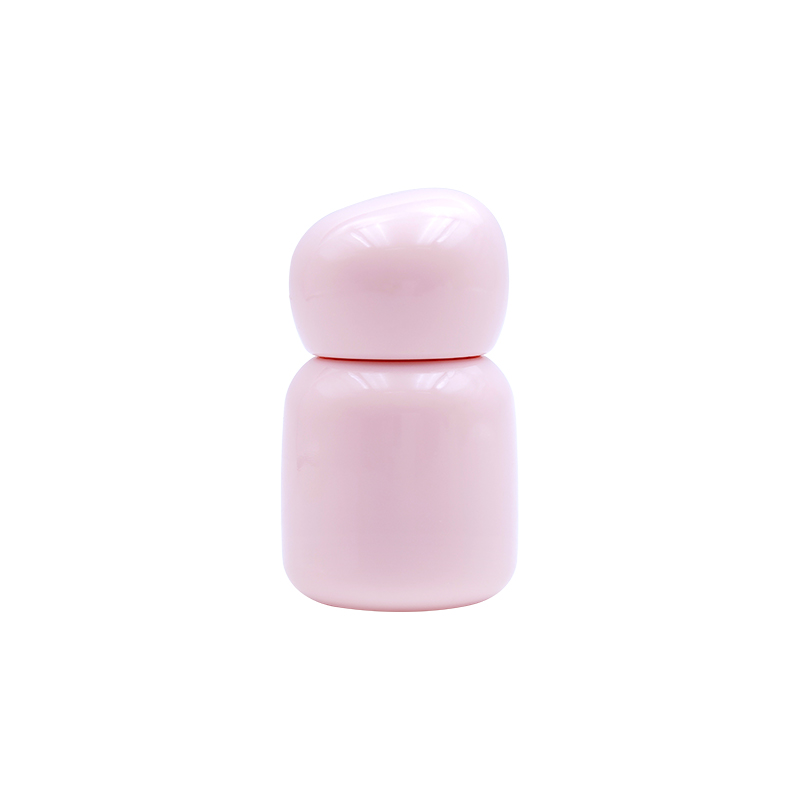
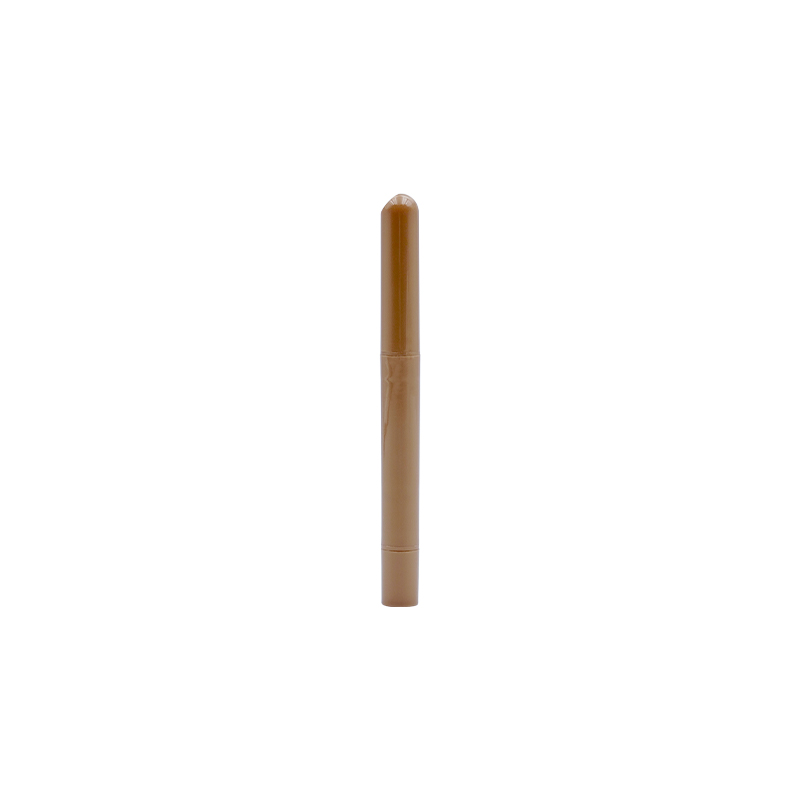
Lip makeup has traditionally focused on adding color, while lip care has focused on keeping the lips feeling comfortab...
A cheek color can change the way facial proportions are perceived without altering the actual shape of the face. When th...
Everyday eye makeup does not always need strong color or a clearly defined shape. For work, casual outings, or simple so...
Color combination practice is not simply about placing several shades together. It involves observing how colors change ...
Foundation creates a base for color makeup, so its surface condition can change how blush spreads and settles. A smooth ...
Blush color selection has become more varied as makeup habits move between soft daily looks, warm tones, muted shades, a...


 No.333 Caihong Road,Linjiang Industry, Bailongqiao Town,Jinhua City, Zhejiang Province, China
 +86 13750973917+86 18248557685
 [email protected]
Copyright ©Zhejiang NiFei Cosmetic Co., Ltd. Rights Reserved.