
 SEARCH

 English
 Español
 Português

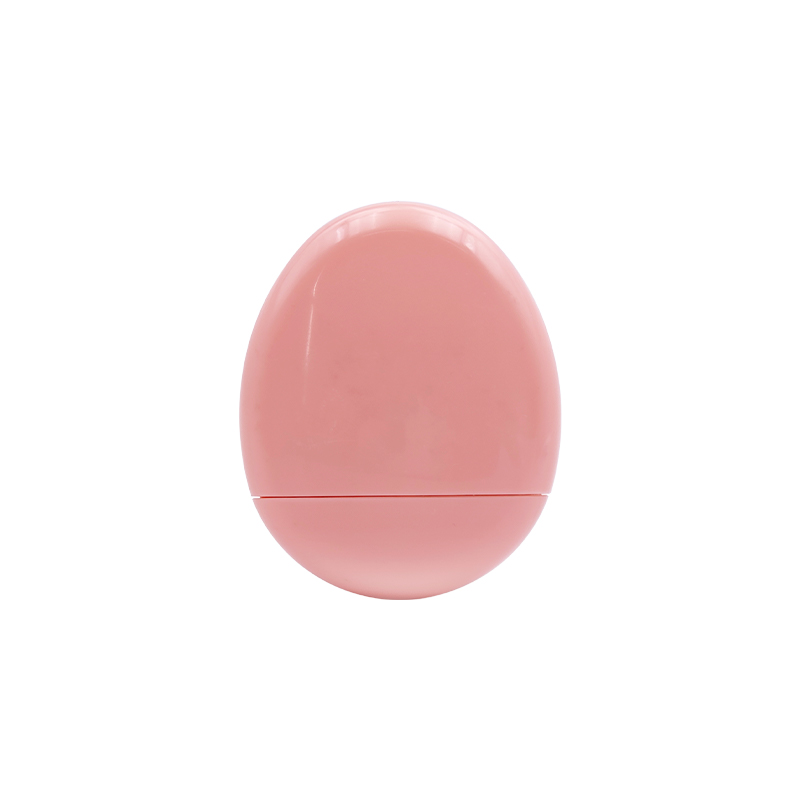
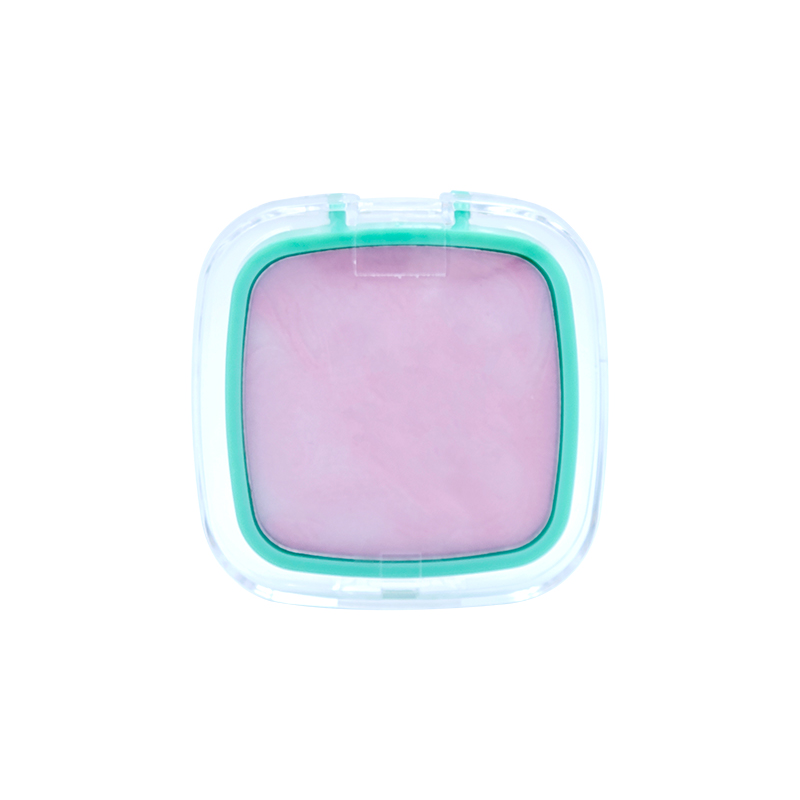
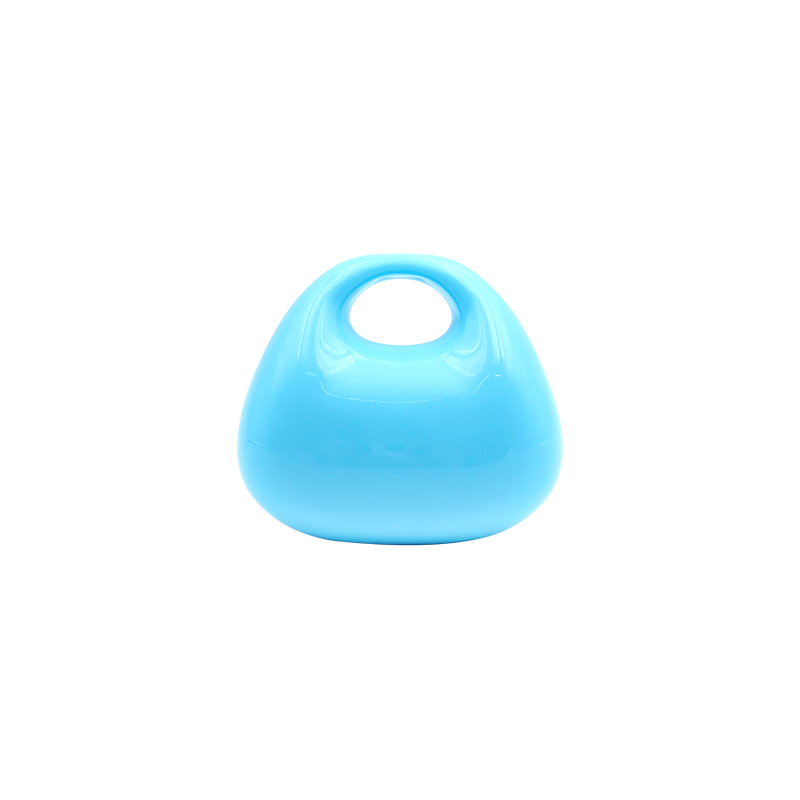
EGG-SHAPED BLUSH CREAM
TEXTURE OF CREAM MOUSSE THE PASTE IS SMOOTH AND HASGOOD COLOR VISIBILITY. Mo...
A blush factory operates with dedicated processes because cosmetic powders and creams require precise control over texture, color, and stability. Unlike general manufacturing, a blush factory must ensure that pigments are evenly distributed and that the final product delivers a smooth and consistent application.
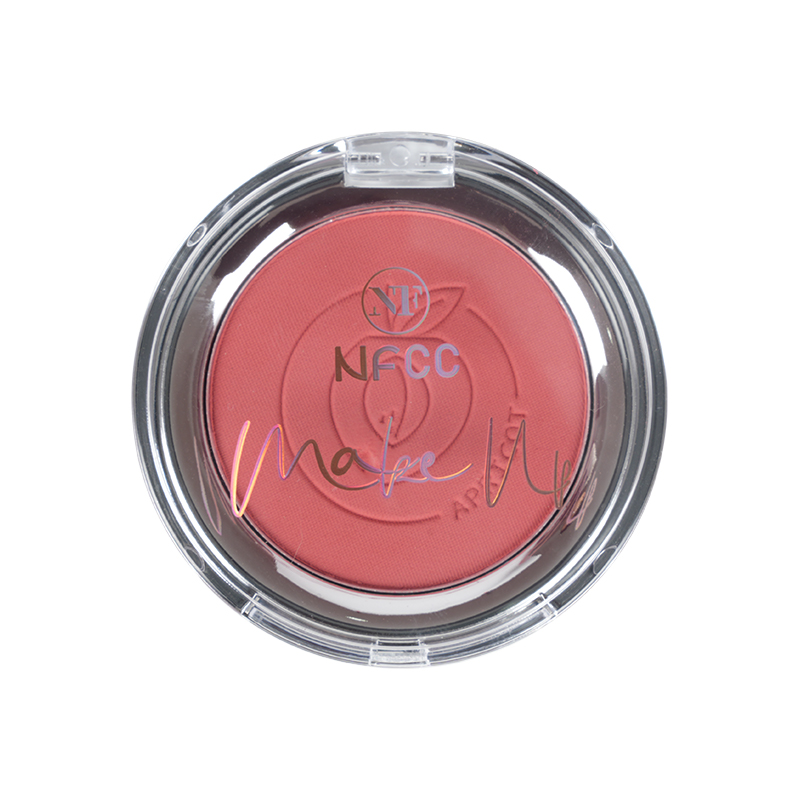
This specialization allows a blush factory to handle different product formats while maintaining uniform quality across batches. Each production line is structured to minimize contamination and maintain formulation accuracy.
In a blush factory, ingredient selection plays a central role in defining the final product’s performance. Common components include pigments for color, binders for cohesion, fillers for texture, and additives that improve spreadability.
The blush factory carefully balances these elements to achieve the desired finish, whether matte, satin, or slightly luminous. Proper formulation ensures that the product applies evenly and adheres well to the skin without patchiness.
Production in a blush factory typically follows a structured sequence starting with raw material preparation. Ingredients are weighed, blended, and processed into a uniform mixture before moving to shaping stages such as pressing or molding.
Depending on the product type, the blush factory may use compression techniques for powder blush or controlled heating for baked formulations. Each step is monitored to maintain consistency in density, texture, and appearance.
Uniform pigment dispersion is essential in a blush factory to prevent uneven color output. High-shear mixing equipment is often used to break down pigment clusters and distribute them evenly throughout the base.
The blush factory also controls mixing speed and duration to avoid over-processing, which can affect texture. Achieving consistent dispersion ensures that each application delivers predictable and reliable color results.
Temperature management is an important factor in a blush factory, especially for baked or cream-based products. Controlled heating helps stabilize formulations and remove excess moisture when required.
In a blush factory, cooling phases are equally important to solidify the product structure without causing cracks or surface imperfections. Maintaining stable temperature conditions helps preserve product integrity throughout production.
A blush factory may produce multiple formats such as pressed powder, loose powder, baked blush, and cream blush. Each type requires a distinct manufacturing approach tailored to its formulation and end-use characteristics.
For example, powder products in a blush factory are typically compressed into pans, while cream-based products are filled into containers after emulsification. These variations allow the blush factory to meet diverse market preferences.
Consistency is achieved in a blush factory through standardized procedures and quality monitoring systems. Each batch undergoes checks for color uniformity, texture, and structural stability before proceeding to packaging.
The blush factory relies on controlled mixing parameters, calibrated equipment, and defined production protocols to ensure that every unit matches predefined specifications.
Products manufactured in a blush factory are widely used in everyday makeup routines as well as professional applications. Blush enhances facial appearance by adding warmth and dimension to the cheeks.
The blush factory produces shades and finishes that cater to different skin tones and style preferences, making the product category versatile across various cosmetic applications.
Several factors affect output quality in a blush factory, including raw material quality, environmental conditions, and process control. Variations in humidity or mixing time can impact texture and performance.
A well-managed blush factory implements strict controls to minimize deviations and ensure that production remains stable across different batches and operating conditions.
A blush factory often adjusts its production based on regional preferences and customer requirements. This may include modifying shade ranges, texture characteristics, or packaging formats.
By offering flexible production capabilities, a blush factory can respond to changing trends and deliver products that align with diverse consumer expectations while maintaining consistent manufacturing standards.

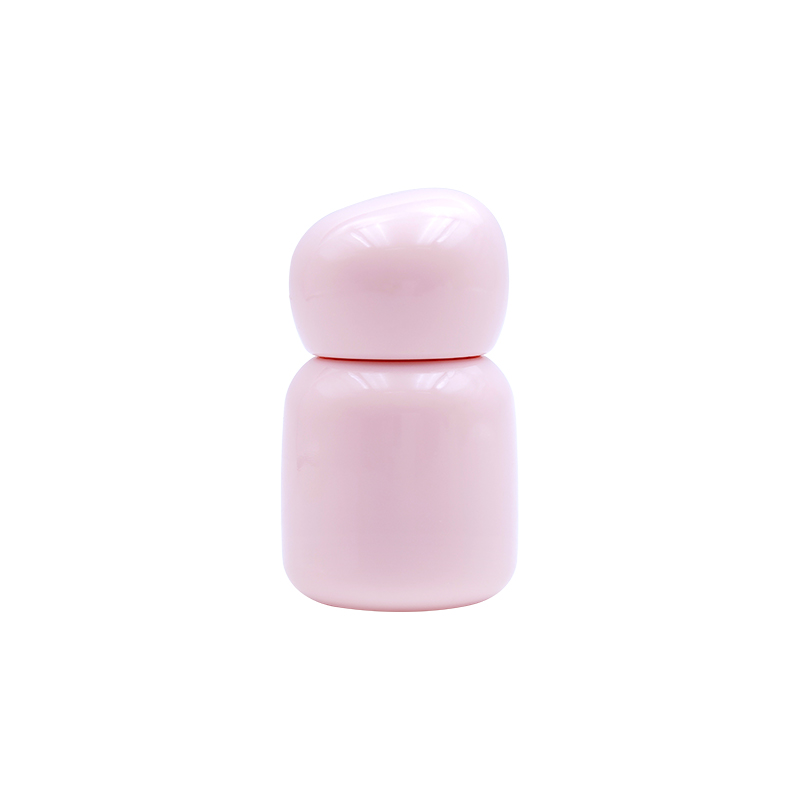

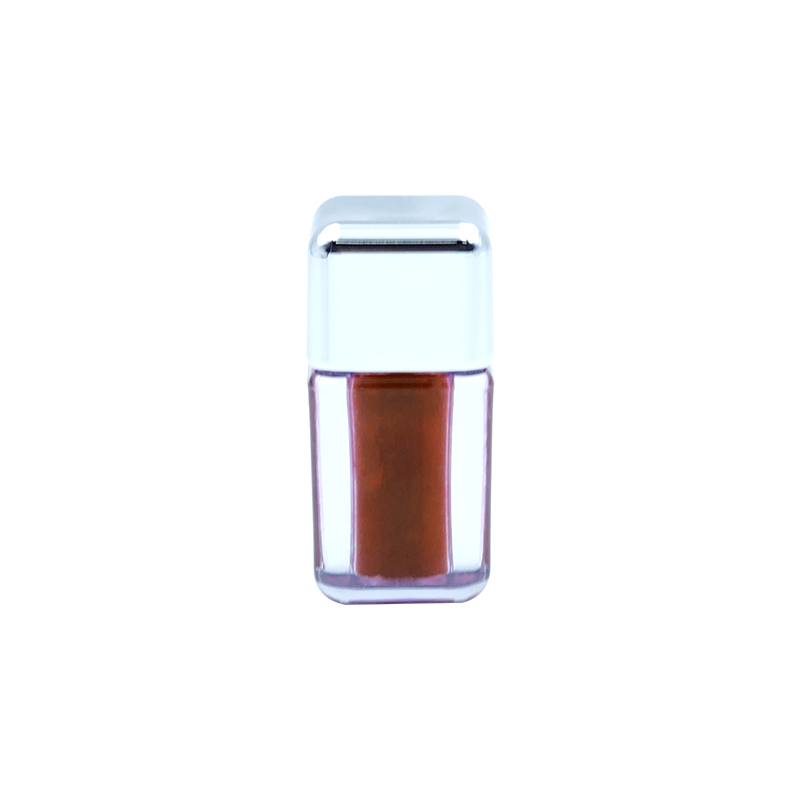
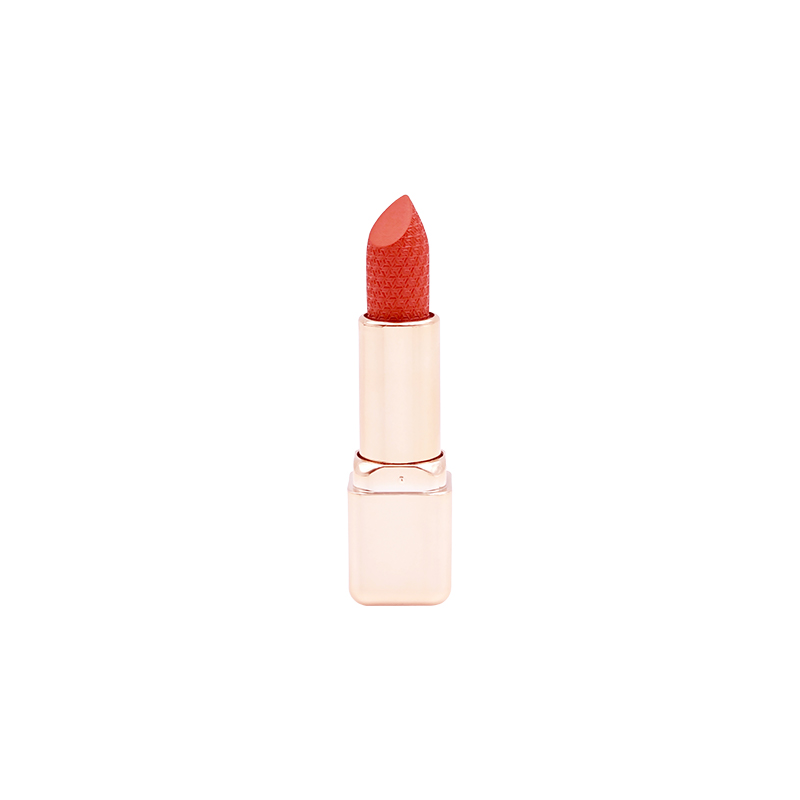
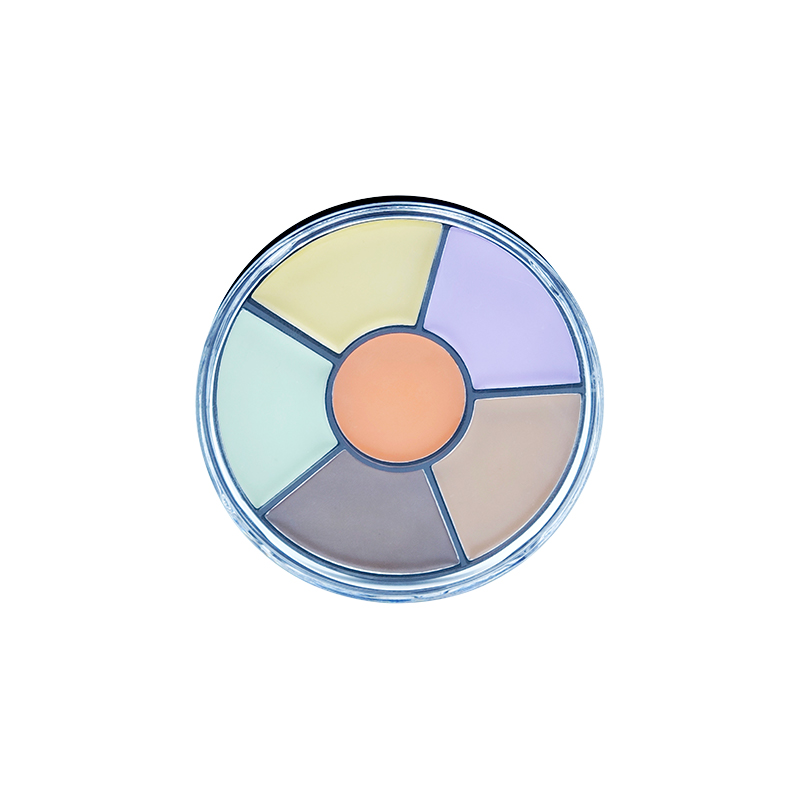
Color combination practice is not simply about placing several shades together. It involves observing how colors change ...
Foundation creates a base for color makeup, so its surface condition can change how blush spreads and settles. A smooth ...
Blush color selection has become more varied as makeup habits move between soft daily looks, warm tones, muted shades, a...
Pink can look surprisingly different from one face to another. A soft pink may appear fresh and light on fair skin, whil...
A soft blush finish often depends less on the amount of color and more on how the product meets the skin. Pink Fluid She...
Makeup application today pays a lot more attention to facial structure than it used to. Blush isn't just tone on the che...


 No.333 Caihong Road,Linjiang Industry, Bailongqiao Town,Jinhua City, Zhejiang Province, China
 +86 13750973917+86 18248557685
 [email protected]
Copyright ©Zhejiang NiFei Cosmetic Co., Ltd. Rights Reserved.