
 SEARCH

 English
 Español
 Português

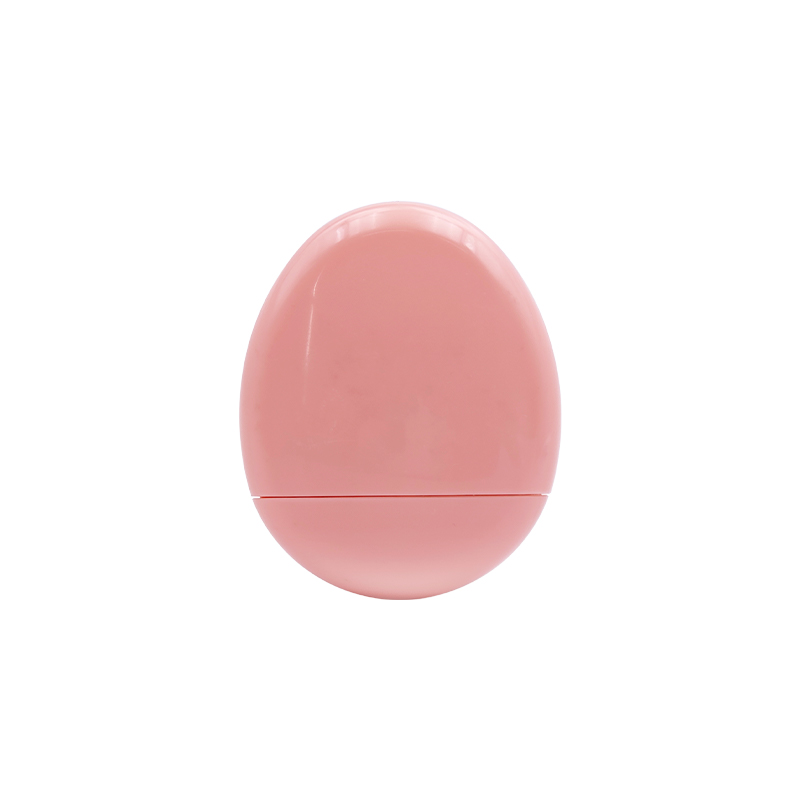
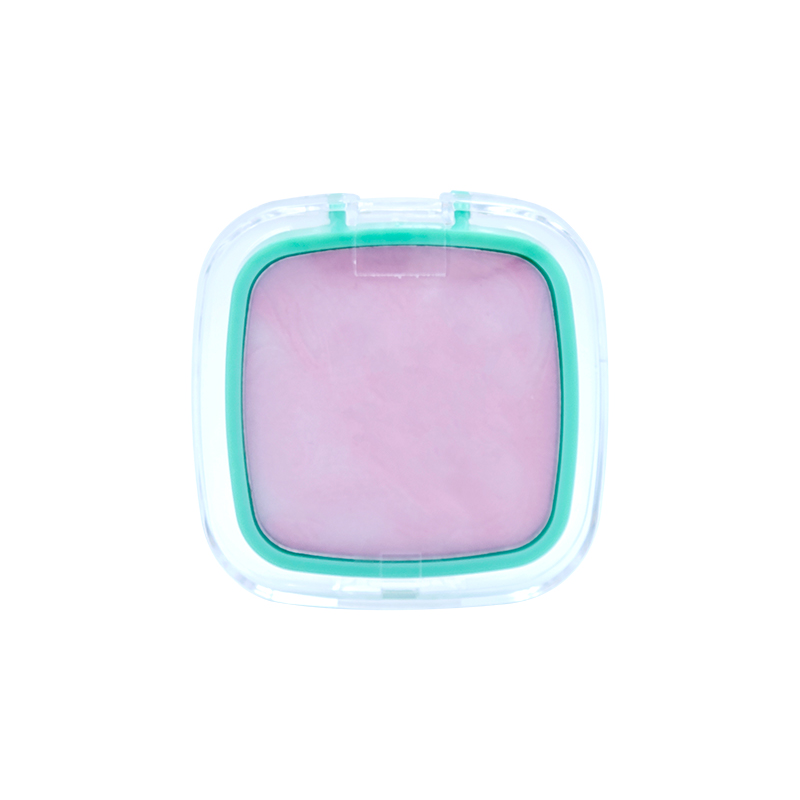
EGG-SHAPED BLUSH CREAM
TEXTURE OF CREAM MOUSSE THE PASTE IS SMOOTH AND HASGOOD COLOR VISIBILITY. Mo...
Eyeshadow is one of those makeup items that seems simple at first glance, but its effect depends on quite a few small details. It is mainly used around the eyes to bring color variation and change how the eye area looks in daily makeup. Sometimes it is subtle, sometimes more noticeable, depending on how it is applied.
In real use, Eyeshadow is not just about choosing a color. The way it sits on the skin, how it blends, and how it reacts when layered all change the final result. Even two shades that look similar in the pan can behave differently once applied.
In some discussions about cosmetic production setups, Zhejiang NiFei Cosmetic Co., Ltd. is occasionally referenced when people talk about general factory arrangements where color cosmetics like Eyeshadow are processed through structured steps.
At a basic level, Eyeshadow usually connects with a few simple ideas:
It sits somewhere between product formulation and visual expression. Both sides matter, not just the color itself.
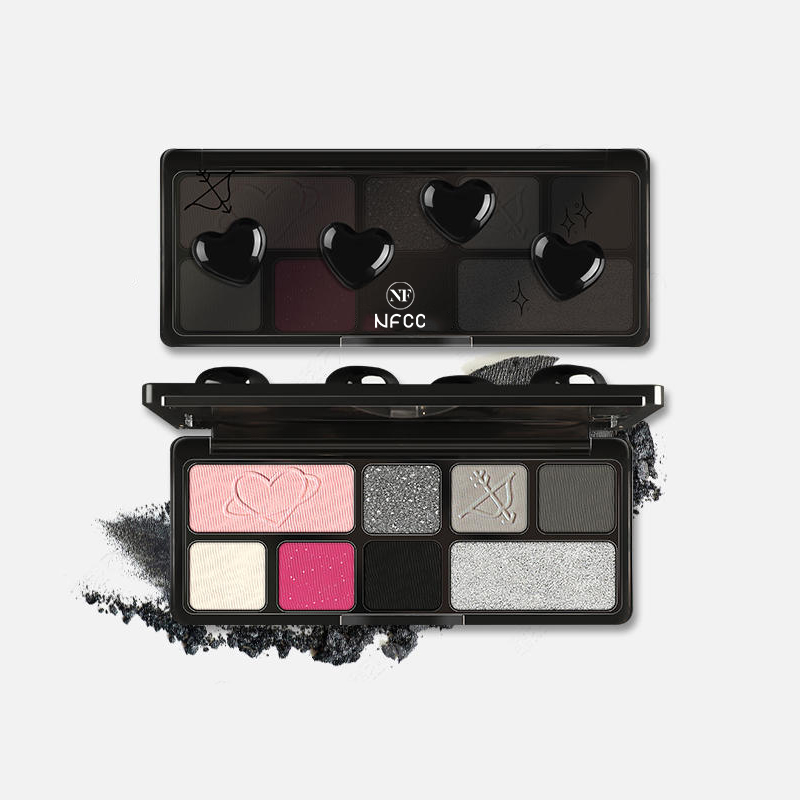
When Eyeshadow is used in daily makeup, small differences in quality can be easy to notice. It is not always about bold color. Sometimes it is about how smoothly it applies or how evenly it spreads.
If the texture feels uneven, blending becomes harder. If the pigment does not distribute well, the color may look patchy instead of soft. These details may not be obvious in the container, but they show up quickly during use.
A few things that often affect how Eyeshadow performs:
These points usually work together. If one part feels off, the overall look can change more than expected.
Inside an Eye Shadow Factory, work is usually divided into separate areas instead of being handled all in one space. Each stage has its own role, from preparing raw materials to finishing the final product.
Pigments and base materials are first handled in controlled zones before being combined. After that, the mixture goes through blending to make sure the color and texture feel even. Once the mixture is ready, it is shaped into compact form.
The general layout often follows a simple flow:
Each step connects to the next. If something is not balanced early on, it usually shows up later in the final product texture or color consistency.
| Stage | What Happens | Why It Matters |
|---|---|---|
| Material handling | Preparing pigments and bases | Sets foundation for color and texture |
| Mixing | Combining ingredients | Controls color uniformity |
| Pressing | Forming compact product | Shapes final structure |
| Finishing | Surface adjustment | Affects smoothness in use |
| Packaging | Final sealing | Keeps product stable for use |
The flow is continuous, and each stage quietly affects the next without standing alone.
After Eyeshadow is finished, what really matters is how it behaves when it is actually used. A product can look consistent in the pan, but feel slightly different once it touches the skin. These differences usually come from very small details in structure and composition.
One of the most noticeable factors is how evenly the color particles are spread. If the distribution is balanced, the shade tends to look smoother and more natural when applied. If the particles are uneven, the color may appear slightly patchy in some areas during blending.
Texture is another point that people notice quickly in daily use. A softer texture often moves more easily across the skin, while a firmer one may stay in place but feel less flexible when blending multiple shades together.
Other points that quietly affect performance include:
These factors are not isolated. When one changes, others often shift with it, which is why small formulation differences can lead to visible changes in makeup results.
Inside an Eye Shadow Factory, the main focus is not only making Eyeshadow, but keeping its behavior stable from one production batch to another. Even when the design looks the same, slight differences in processing can change how the final product feels.
The process usually follows a steady structure where each stage connects to the next without interruption. Materials are prepared first, then mixed, then shaped, and finally packaged. Each step influences the next one in a quiet but direct way.
Consistency is usually supported through a few practical habits:
When these steps stay steady, the final Eyeshadow feels more predictable during use. This is important because makeup users often expect similar results every time they apply the same shade.
In everyday makeup routines, Eyeshadow is often used in a simple and flexible way. It does not always involve complex layering or strong color changes. Sometimes it is just a light touch to adjust how the eye area looks under natural light.
People may use one shade across the eyelid, or combine a few tones to create a soft gradient. The way it is applied often depends more on habit than on strict technique.
Common usage patterns include:
The same product can look different depending on how it is applied. That is why texture and blending behavior matter so much in real use, even more than appearance in the container.
Eyeshadow production has slowly shifted over time, but not in dramatic steps. Most changes are gradual and focused on making the product feel smoother and more stable during use.
One noticeable direction is improving how the texture behaves on skin. Instead of focusing only on color, more attention is given to how easily it blends and how it layers with other shades.
Another direction is keeping color output more consistent. Even small variations in tone or texture can affect how the final makeup looks, so production methods are adjusted to reduce these differences.
Some ongoing directions in manufacturing include:
These changes are not about making the product completely different, but about keeping its behavior closer to what users expect each time it is used.
Looking at Eyeshadow as a whole product category, it sits between formulation work and visual result. What happens inside production eventually shows up directly on the face during application.
The connection between factory process and makeup outcome is quite direct. If mixing is uneven, blending becomes harder. If pressing changes slightly, texture feels different. If pigments are not balanced, color shifts during use.
In simple terms, the journey can be seen as:
This makes Eyeshadow a product where small details inside production quietly shape the final experience outside of it.

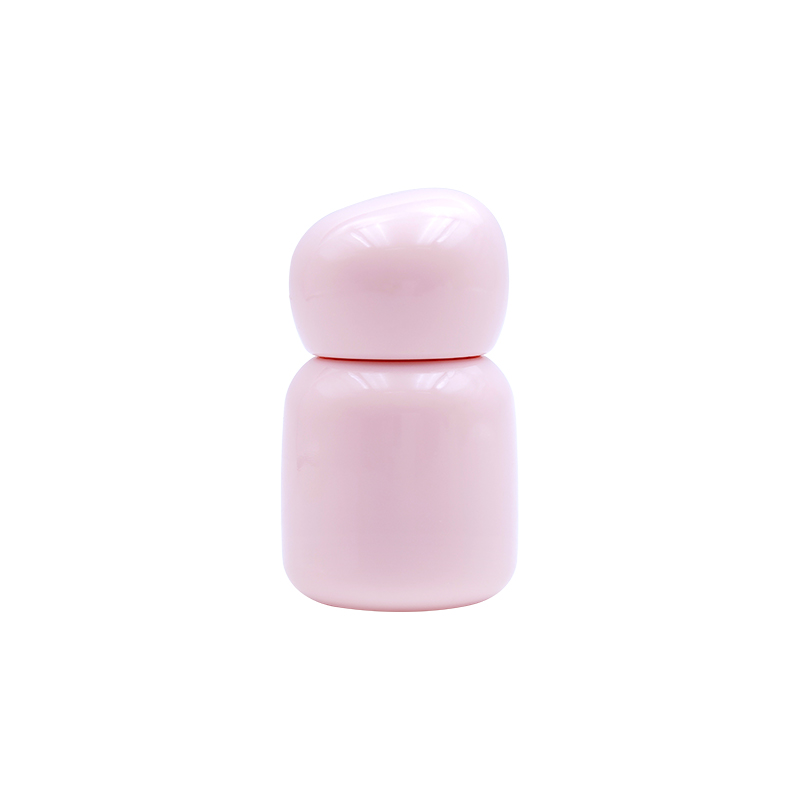

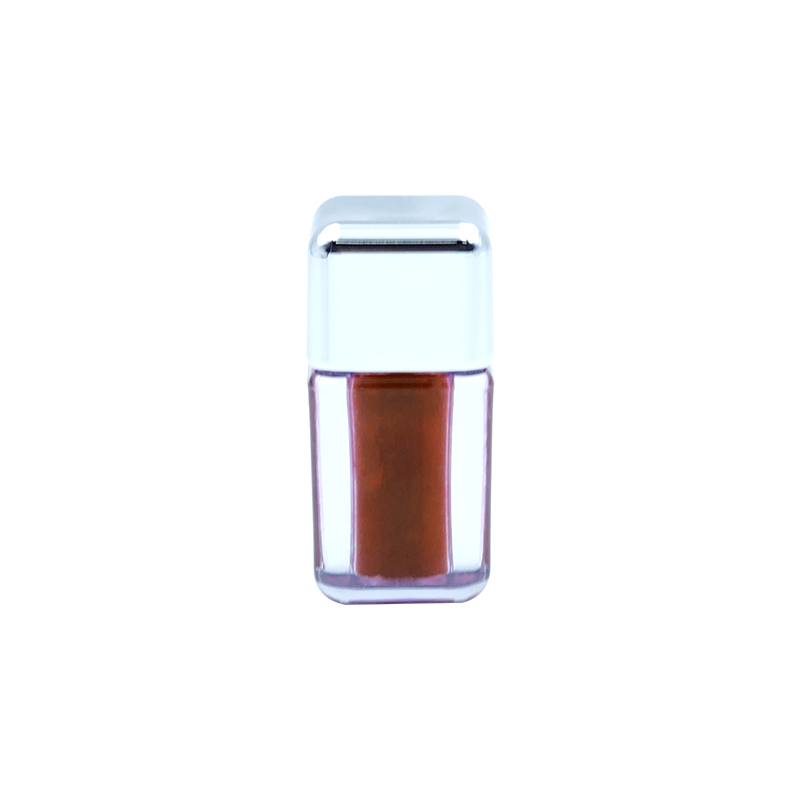
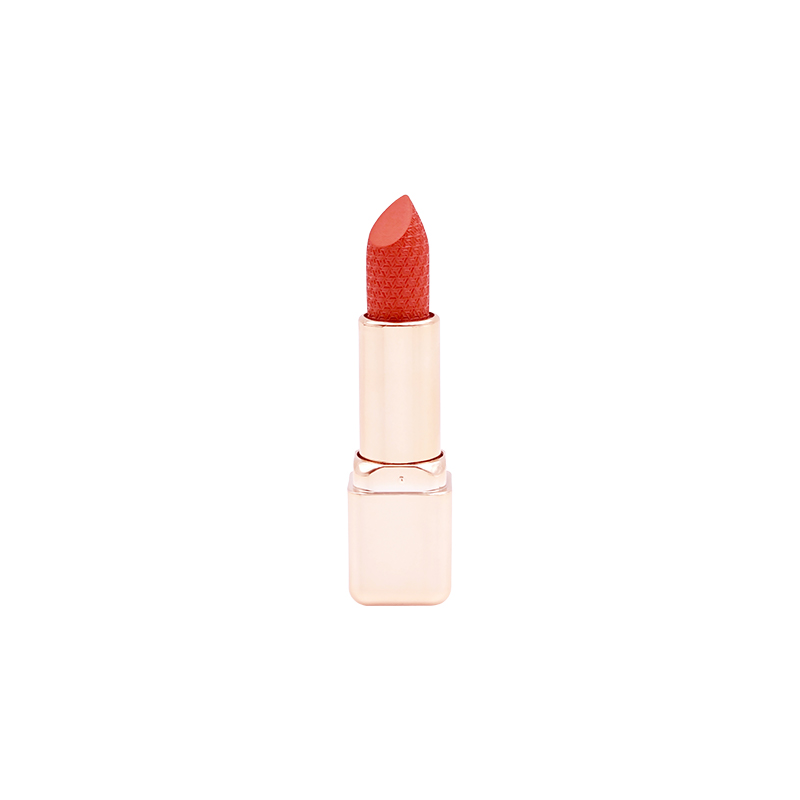
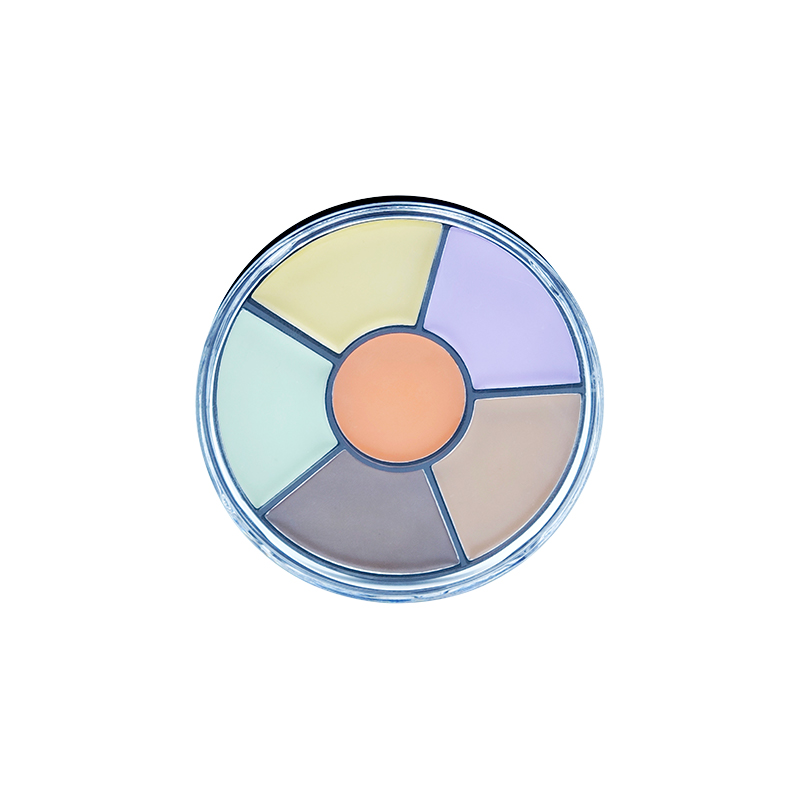

Everyday eye makeup does not always need strong color or a clearly defined shape. For work, casual outings, or simple so...
Color combination practice is not simply about placing several shades together. It involves observing how colors change ...
Foundation creates a base for color makeup, so its surface condition can change how blush spreads and settles. A smooth ...
Blush color selection has become more varied as makeup habits move between soft daily looks, warm tones, muted shades, a...
Pink can look surprisingly different from one face to another. A soft pink may appear fresh and light on fair skin, whil...
A soft blush finish often depends less on the amount of color and more on how the product meets the skin. Pink Fluid She...


 No.333 Caihong Road,Linjiang Industry, Bailongqiao Town,Jinhua City, Zhejiang Province, China
 +86 13750973917+86 18248557685
 [email protected]
Copyright ©Zhejiang NiFei Cosmetic Co., Ltd. Rights Reserved.