
 SEARCH

 English
 Español
 Português

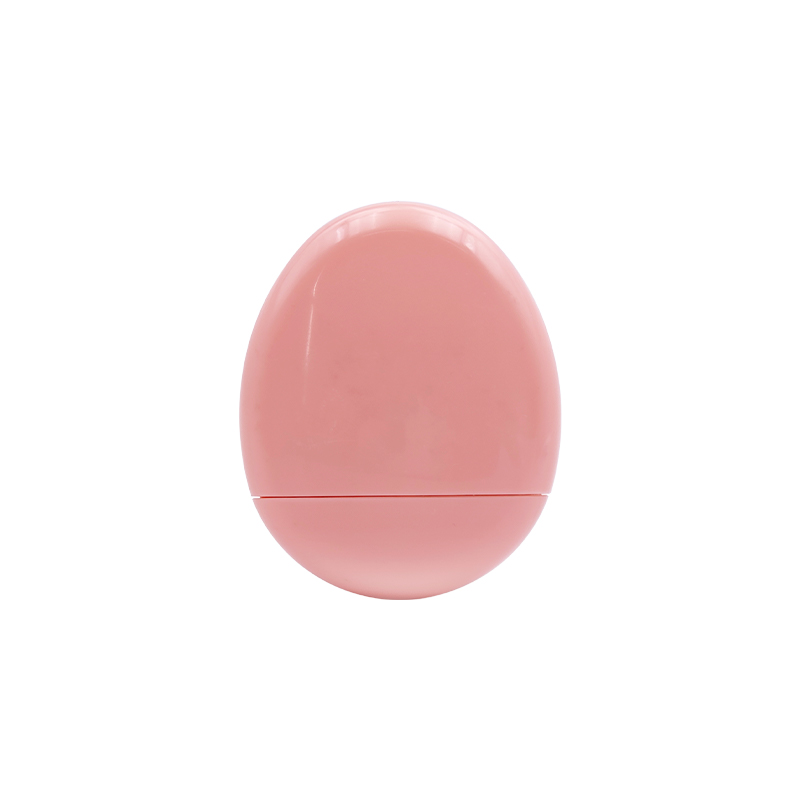
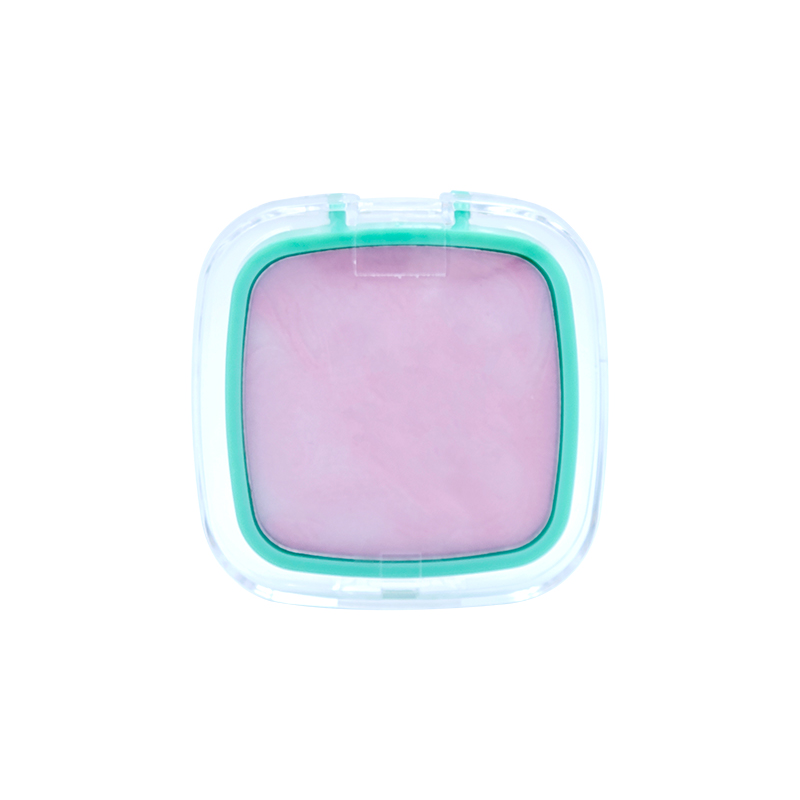
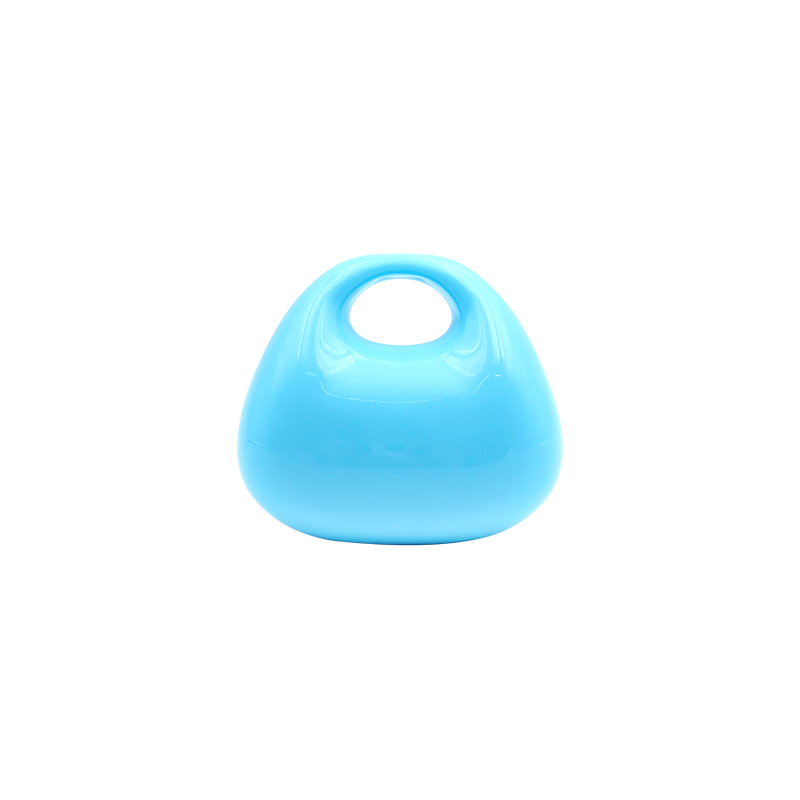
EGG-SHAPED BLUSH CREAM
TEXTURE OF CREAM MOUSSE THE PASTE IS SMOOTH AND HASGOOD COLOR VISIBILITY. Mo...
A Baked Blusher Factory specializes in manufacturing pressed and baked cosmetic powders that are created through a controlled heating process. Unlike traditional powder products, baked blush starts as a creamy mixture that is poured into molds and then slowly baked at low temperatures. This process removes moisture while preserving pigment integrity, resulting in a smooth and lightweight texture.
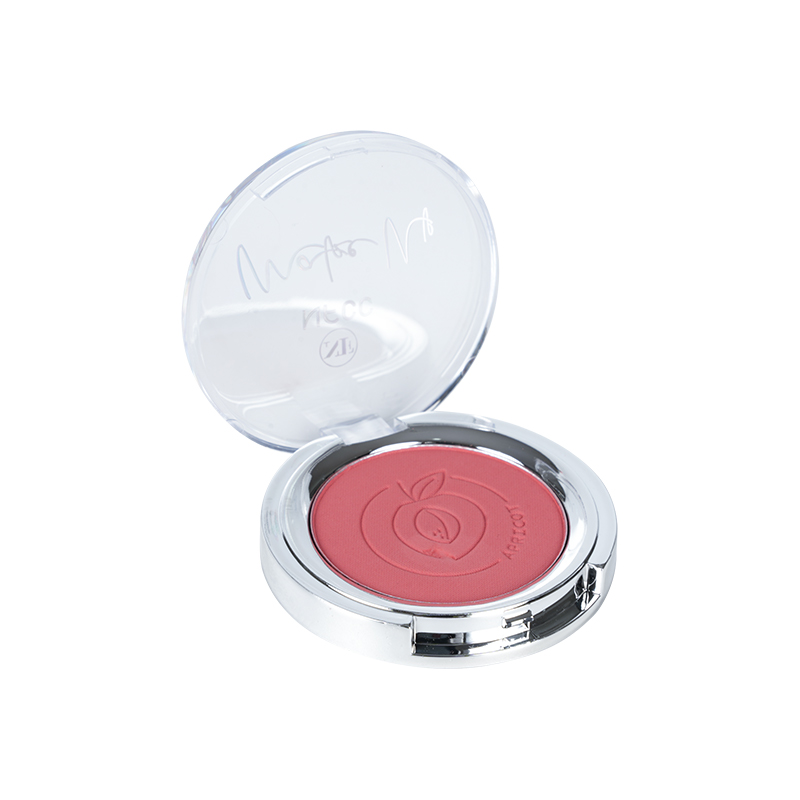
Inside a Baked Blusher Factory, the production line typically includes raw material mixing, mold filling, baking, cooling, pressing, and surface finishing. Each stage is carefully monitored to ensure consistency in color, texture, and performance.
The formulation of baked blush products relies on a combination of pigments, binders, fillers, and skin-friendly additives. Pigments provide color intensity, while binders help the product adhere to the skin. Fillers contribute to texture and spreadability.
In a Baked Blusher Factory, ingredient selection is guided by stability, safety, and cosmetic performance. The mixture must remain stable during the baking process and retain its structure without cracking or crumbling after cooling. Proper formulation ensures that the final product delivers a smooth application and natural finish.
The baking stage is a defining characteristic of a Baked Blusher Factory. The mixture is placed into molds and heated at controlled temperatures for an extended period. This slow process allows the ingredients to solidify while maintaining a soft and silky surface.
The controlled environment in a Baked Blusher Factory ensures that the pigments remain evenly distributed and that the final product achieves a refined texture. This process also helps reduce excess moisture, improving product stability and shelf life.
Quality control is a critical part of operations in a Baked Blusher Factory. Each batch undergoes inspection for color consistency, texture uniformity, and structural integrity. Visual checks and laboratory testing are often used to verify that the product meets internal standards.
In addition, a Baked Blusher Factory evaluates factors such as breakage resistance, adhesion performance, and application smoothness. These checks help ensure that the product performs reliably when applied by end users.
A Baked Blusher Factory uses specialized equipment such as mixing machines, filling systems, baking ovens, and pressing tools. Precision equipment is required to maintain uniformity in each mold and to control temperature during the baking stage.
Automation may also be integrated into the production line to improve efficiency and reduce human error. In a Baked Blusher Factory, consistent equipment calibration plays an important role in maintaining product quality across large production volumes.
The final texture of baked blush is influenced by both formulation and processing conditions. A well-managed Baked Blusher Factory ensures that the product maintains a soft, smooth surface with fine particles that blend easily on the skin.
The finishing stage may include surface polishing or pattern imprinting, depending on product design. These steps enhance both the appearance and usability of the final product while maintaining uniform performance.
Products manufactured in a Baked Blusher Factory are widely used in daily cosmetic routines. Baked blush provides a natural glow and can be applied lightly for subtle enhancement or layered for more vibrant color.
Due to its lightweight and blendable nature, baked blush is suitable for various skin types and makeup styles. The consistent output from a Baked Blusher Factory ensures that users receive a product that performs reliably across different applications.
Production efficiency in a Baked Blusher Factory depends on several factors, including process control, equipment performance, and workforce coordination. Proper scheduling and material management help maintain continuous production flow.
Environmental conditions such as humidity and temperature must also be controlled to prevent inconsistencies during mixing and baking. A well-organized Baked Blusher Factory integrates these elements to maintain steady output while preserving product quality.
A Baked Blusher Factory often supports customization in terms of color shades, packaging design, and product formulation. This flexibility allows products to meet diverse consumer preferences across different markets.


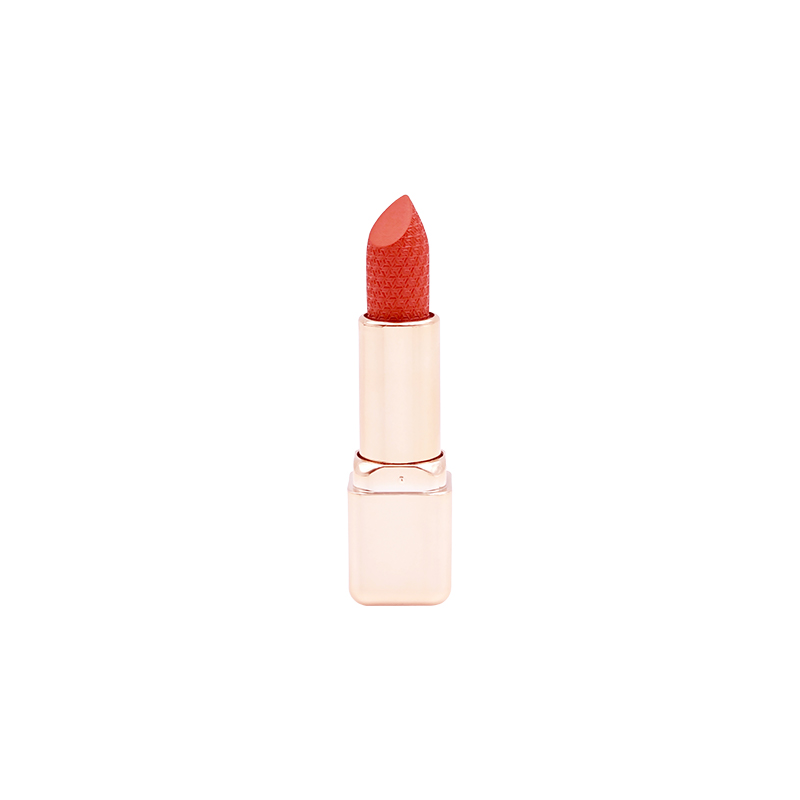
Lip makeup has traditionally focused on adding color, while lip care has focused on keeping the lips feeling comfortab...
A cheek color can change the way facial proportions are perceived without altering the actual shape of the face. When th...
Everyday eye makeup does not always need strong color or a clearly defined shape. For work, casual outings, or simple so...
Color combination practice is not simply about placing several shades together. It involves observing how colors change ...
Foundation creates a base for color makeup, so its surface condition can change how blush spreads and settles. A smooth ...
Blush color selection has become more varied as makeup habits move between soft daily looks, warm tones, muted shades, a...


 No.333 Caihong Road,Linjiang Industry, Bailongqiao Town,Jinhua City, Zhejiang Province, China
 +86 13750973917+86 18248557685
 [email protected]
Copyright ©Zhejiang NiFei Cosmetic Co., Ltd. Rights Reserved.