
 SEARCH

 English
 Español
 Português

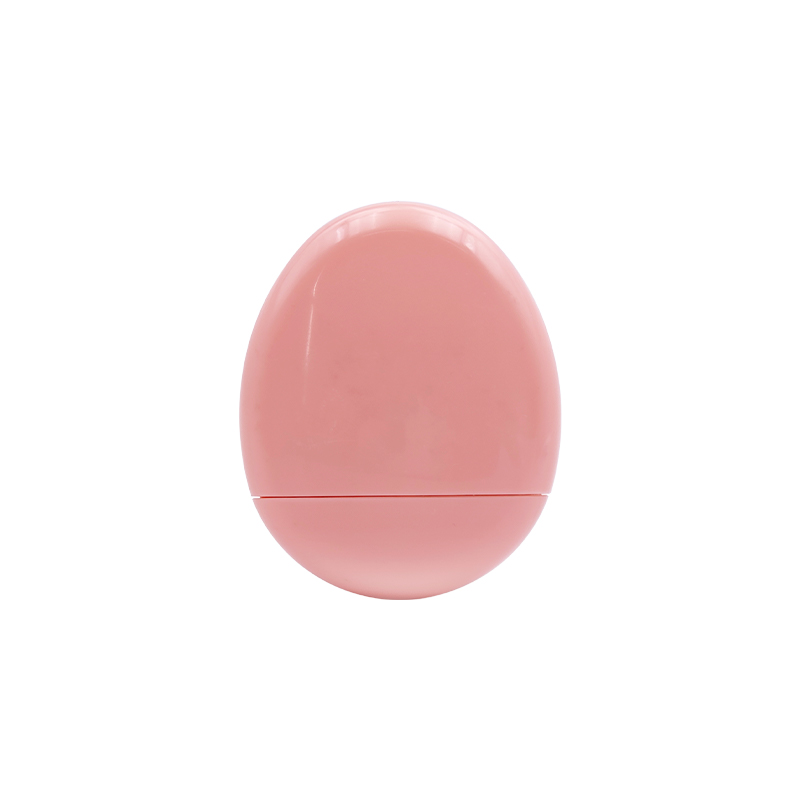
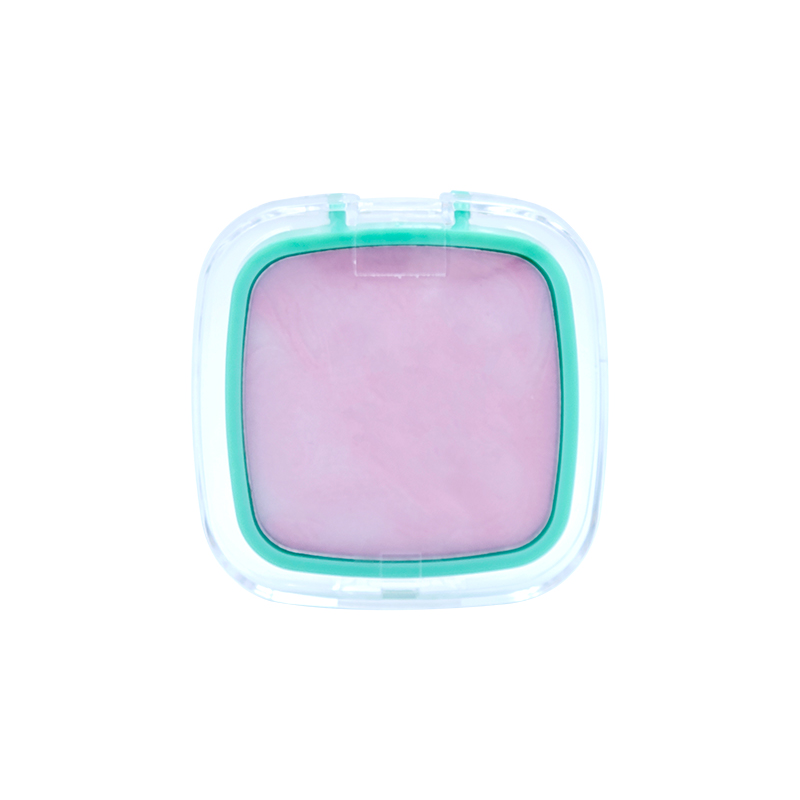
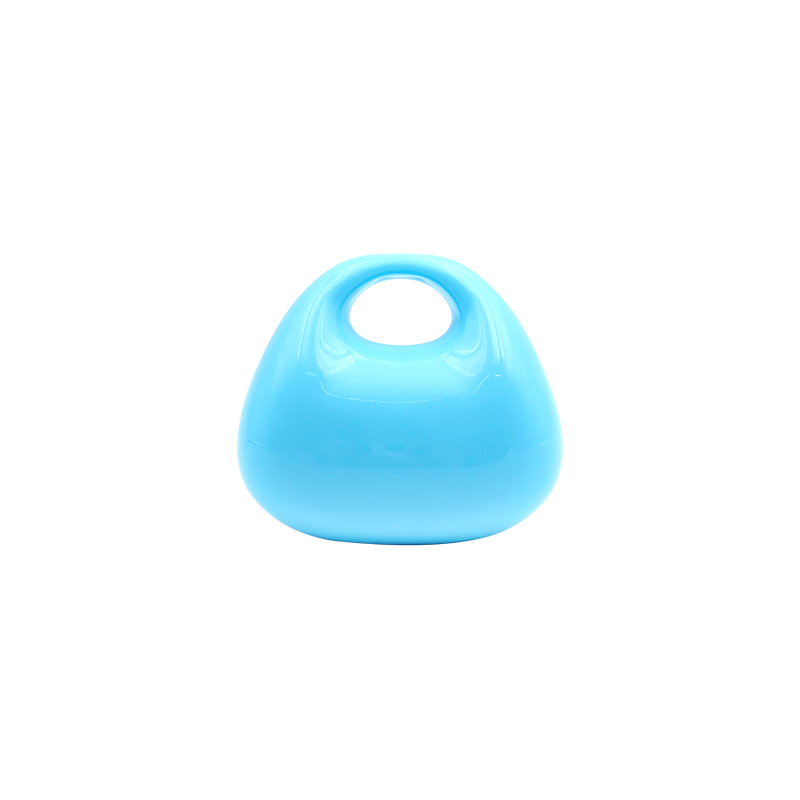
EGG-SHAPED BLUSH CREAM
TEXTURE OF CREAM MOUSSE THE PASTE IS SMOOTH AND HASGOOD COLOR VISIBILITY. Mo...
Lip makeup is rarely a single-step action anymore. In everyday situations, lip care and lip color are often applied one after another, sometimes without much planning. A thin layer of hydration, then a color product on top, has become a common way of handling lips before going out or finishing a look.
When Lip Color Changing Lipstick is used together with other lip products, the result depends heavily on what sits underneath it. The same lipstick can behave differently depending on whether the lips are dry, slightly coated with oil, or freshly moisturized.
Lip Quip Moisturizing Lip Oil often appears in this early step. It is usually not treated as decoration but as a surface adjustment layer. A small amount can change how the lip surface feels before color is added, especially when dryness is present.
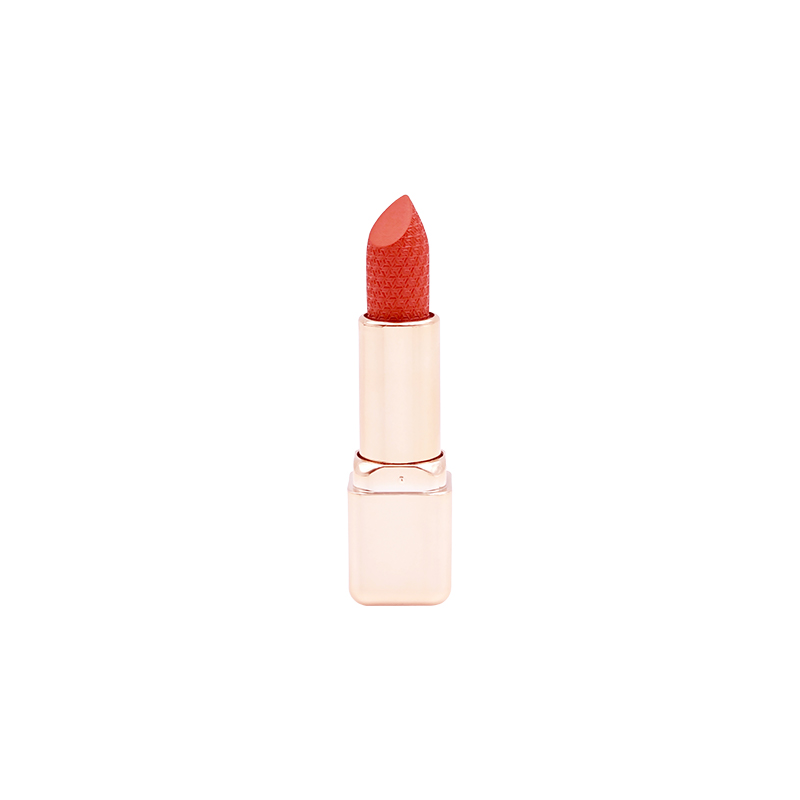
Lip Color Changing Lipstick does not behave like a fixed color stick. Its appearance shifts depending on what is already on the lips. That is where layering starts to matter.
When it is applied directly, the color tends to follow the natural condition of the lips. When another product is present underneath, especially something oily or moisturizing, the surface changes and the color does not settle in exactly the same way.
This does not mean the lipstick stops working. It simply means the final look becomes more dependent on surface condition than on the product alone.
In daily use, small differences appear:
These differences are usually subtle at first but become clearer after a few hours.
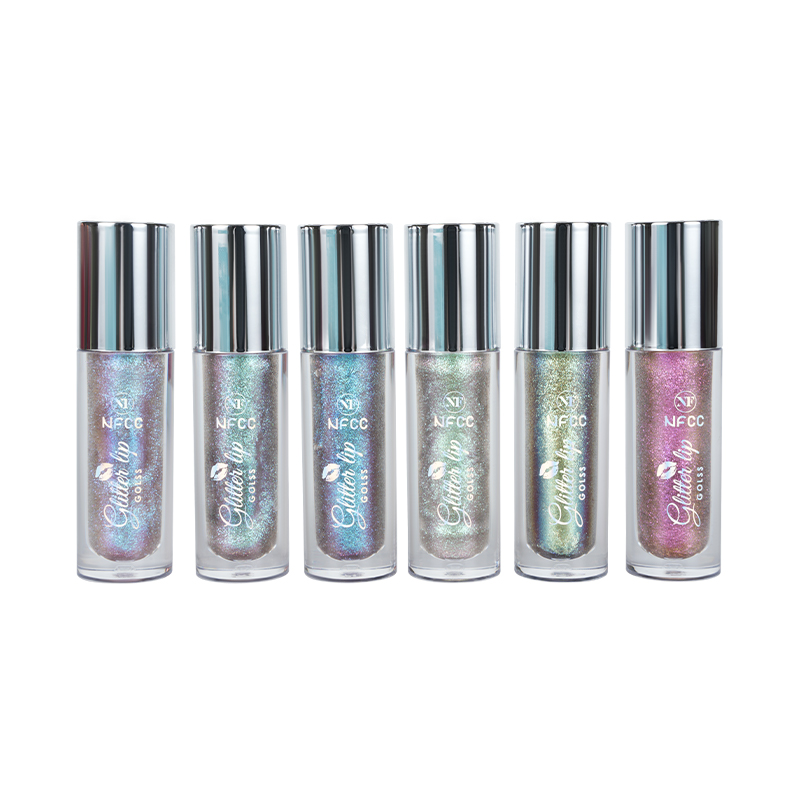
Lip Quip Moisturizing Lip Oil is often used before color products because it changes how the lips feel at the surface level. Dry lips tend to grab color unevenly, while slightly hydrated lips allow smoother spreading.
A thin layer of lip oil creates a temporary soft surface. On top of that, Lip Color Changing Lipstick spreads differently compared to bare lips. It tends to glide more easily, but it also depends on whether the oil has been absorbed or is still sitting on top.
That timing makes a noticeable difference in practice:
The role of lip oil is less about shine and more about preparing the surface so the lipstick behaves in a more controlled way.
Order is not just a routine habit here. It directly affects how the final lip look develops.
Most daily use follows a simple path: lip oil first, lipstick second. But the gap between these two steps matters more than it looks.
If Lip Quip Moisturizing Lip Oil is still fresh and active on the lips, Lip Color Changing Lipstick may sit on a moving surface. That can slightly blur the color result. If the oil has partially settled, the lipstick tends to hold its shape better.
A few common patterns can be seen:
| Application Pattern | Surface Condition | Result on Lip Color |
|---|---|---|
| Oil still wet + lipstick | High slip surface | Softer, less defined tone |
| Oil partly absorbed + lipstick | Balanced surface | More even color development |
| Lipstick alone | Natural lip surface | Direct and clear reaction |
These differences are not dramatic, but they explain why the same products can look slightly different from day to day.
Texture is one of the least visible but most influential parts of lip layering. Lip oil behaves like a light fluid, while Lip Color Changing Lipstick reacts to surface condition rather than sitting on top like a simple coating.
When both are used together, the way they interact depends on thickness and timing. A thin oil layer usually helps the lipstick move smoothly. A heavier layer can make the surface too active, causing slight shifting during wear.
This interaction influences:
It is not about mixing products together, but about how two different textures sit in sequence on the same surface.
Lip condition plays a quiet but steady role in how Lip Color Changing Lipstick behaves. Dry lips often absorb product unevenly, which can lead to patchy or broken-looking color in some areas.
Lip Quip Moisturizing Lip Oil helps adjust this before color is applied. When lips are slightly hydrated, the surface becomes smoother, and color tends to spread more consistently.
Hydration changes usually show in:
But too much hydration can also soften the surface too much, which may reduce how clearly the color sets. Balance matters more than intensity.
Adding too many layers does not always improve the result. In some cases, it makes the surface harder to control.
When Lip Quip Moisturizing Lip Oil is applied in large amounts and followed quickly by Lip Color Changing Lipstick, the surface can become unstable. The lipstick may sit on top of a shifting layer instead of a steady base.
Common outcomes include:
In daily use, thinner layers usually behave more consistently than repeated or heavy application.
Lip layering rarely stays exactly the same every day. The condition of the lips changes, weather changes, and makeup styles also shift depending on the situation. Because of this, the way Lip Color Changing Lipstick and Lip Quip Moisturizing Lip Oil are combined often changes naturally over time.
In lighter daily makeup, the layering process is usually simpler. A small amount of lip oil is applied mainly to soften the surface, followed by a thin layer of Lip Color Changing Lipstick. The final look tends to appear softer, with less contrast and less visible buildup.
In situations where the makeup look is slightly more defined, the layering becomes more controlled. The lip oil is allowed to settle for a short period before the lipstick is added. This creates a steadier surface and allows the color to appear more even across the lips.
Weather conditions also influence layering behavior. Dry air often makes lips feel rougher, so hydration becomes more important before color application. In warmer or more humid conditions, lighter layers usually remain more stable during wear.
These adjustments are usually not planned in a technical way. Most of the time, they develop through habit and repeated use.
Many layering problems come from small habits rather than the products themselves. One of the more common situations is applying too much lip oil before Lip Color Changing Lipstick. When the surface stays overly wet, the lipstick may not settle evenly.
Another frequent issue is rushing the application order. If lipstick is added immediately after lip oil, the surface may still be moving slightly, which affects how the color develops. In daily routines, this often leads to softer or less balanced tone distribution.
Repeated layering throughout the day can also create texture buildup. Instead of removing old product, new layers are sometimes added directly on top. After several applications, the surface may start looking uneven or feel heavier than intended.
Several practical issues appear repeatedly:
These situations usually become more noticeable later in the day rather than immediately after application.
Lip products rarely stay untouched throughout the day. Eating, drinking, speaking, and natural lip movement gradually change how products sit on the surface. Because of this, reapplication becomes part of normal use.
Lip Color Changing Lipstick behaves differently during reapplication compared to the initial layer. If the original layer has partially faded unevenly, adding more product directly on top may increase differences between lip areas.
Lip Quip Moisturizing Lip Oil also changes surface behavior during repeated use. A small amount may refresh the lips, but repeated layering without removing old residue can soften the surface too much. In that condition, color becomes harder to control evenly.
A more balanced approach is often seen in routines where the lips are lightly cleaned or pressed before another layer is added. This creates a more stable surface compared to adding multiple layers continuously.
The lip surface is not stable from morning to evening. Environmental conditions, hydration, food, and even speaking affect how products behave over time.
In the early part of the day, lips may feel smoother after skincare or hydration. Later, dryness may begin appearing in certain areas, especially near the center or edges of the lips. This changes how Lip Color Changing Lipstick reacts during touch-ups.
Lip Quip Moisturizing Lip Oil is often used again at this stage, not necessarily for shine, but to soften areas where texture has become uneven.
Daily surface changes usually affect:
These changes explain why the same lip products may appear slightly different at different times of the day.
In practical use, thinner layers tend to remain more stable than heavy application. This applies to both Lip Quip Moisturizing Lip Oil and Lip Color Changing Lipstick.
A thin oil layer usually settles more evenly into the lips instead of remaining fully on the surface. When lipstick is added afterward, the color develops with fewer interruptions from texture movement.
Heavy layering often creates the opposite effect. The surface becomes overly active, and products begin interacting too strongly instead of remaining balanced. This can lead to uneven color, slipping around edges, or a thicker appearance.
Thin layering helps maintain:
This approach is common not because it creates dramatic results, but because it keeps the lip surface easier to manage during long wear periods.
Lip layering habits gradually influence how products are used over time. After repeated daily application, people often begin adjusting the amount of lip oil, the timing between layers, or the thickness of color based on how the lips respond.
Lip Color Changing Lipstick tends to react more consistently when the lip surface is kept balanced rather than heavily layered. Lip Quip Moisturizing Lip Oil supports this by helping reduce dryness before color application, but the amount used remains important.
Over time, routines usually become simpler rather than more complex. Small adjustments in timing and layering often replace heavier application methods.
In long-term daily use, the focus gradually shifts from creating stronger color effects to maintaining a more stable and comfortable lip surface throughout the day.

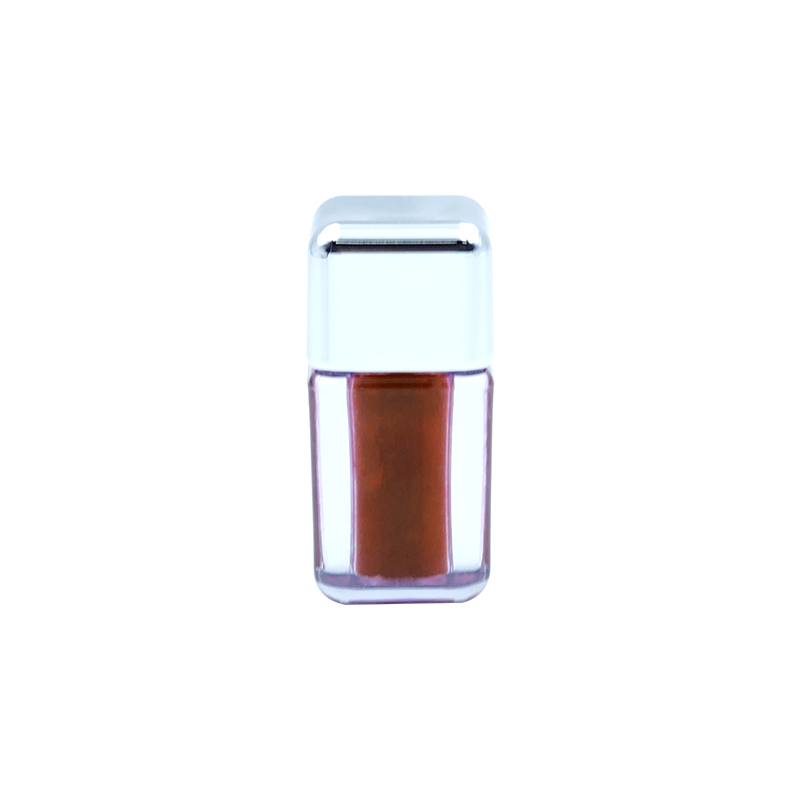
A cheek color can change the way facial proportions are perceived without altering the actual shape of the face. When th...
Everyday eye makeup does not always need strong color or a clearly defined shape. For work, casual outings, or simple so...
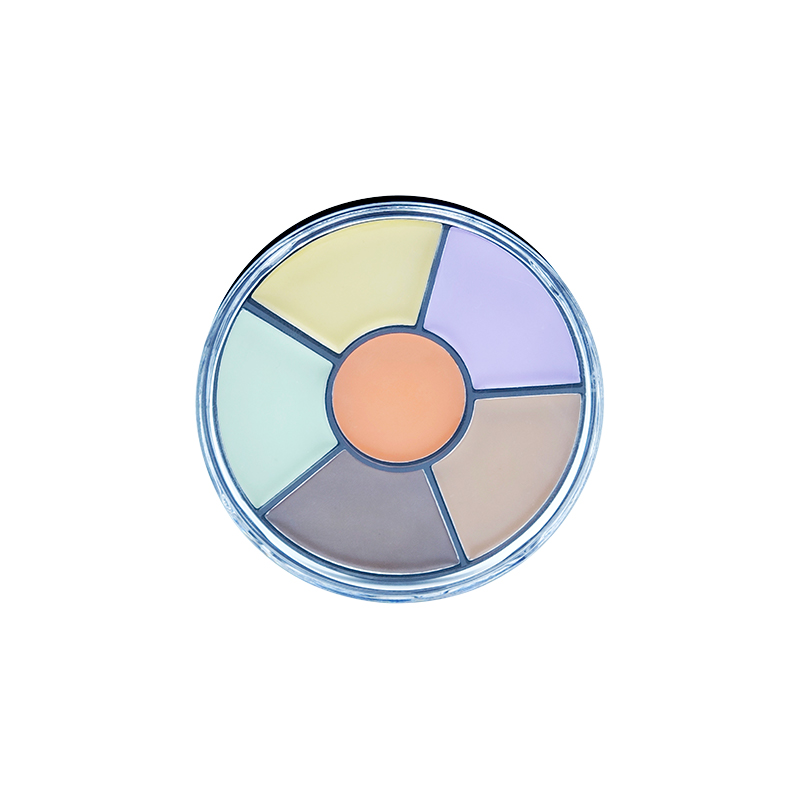
Color combination practice is not simply about placing several shades together. It involves observing how colors change ...
Foundation creates a base for color makeup, so its surface condition can change how blush spreads and settles. A smooth ...
Blush color selection has become more varied as makeup habits move between soft daily looks, warm tones, muted shades, a...
Pink can look surprisingly different from one face to another. A soft pink may appear fresh and light on fair skin, whil...


 No.333 Caihong Road,Linjiang Industry, Bailongqiao Town,Jinhua City, Zhejiang Province, China
 +86 13750973917+86 18248557685
 [email protected]
Copyright ©Zhejiang NiFei Cosmetic Co., Ltd. Rights Reserved.