
 SEARCH

 English
 Español
 Português

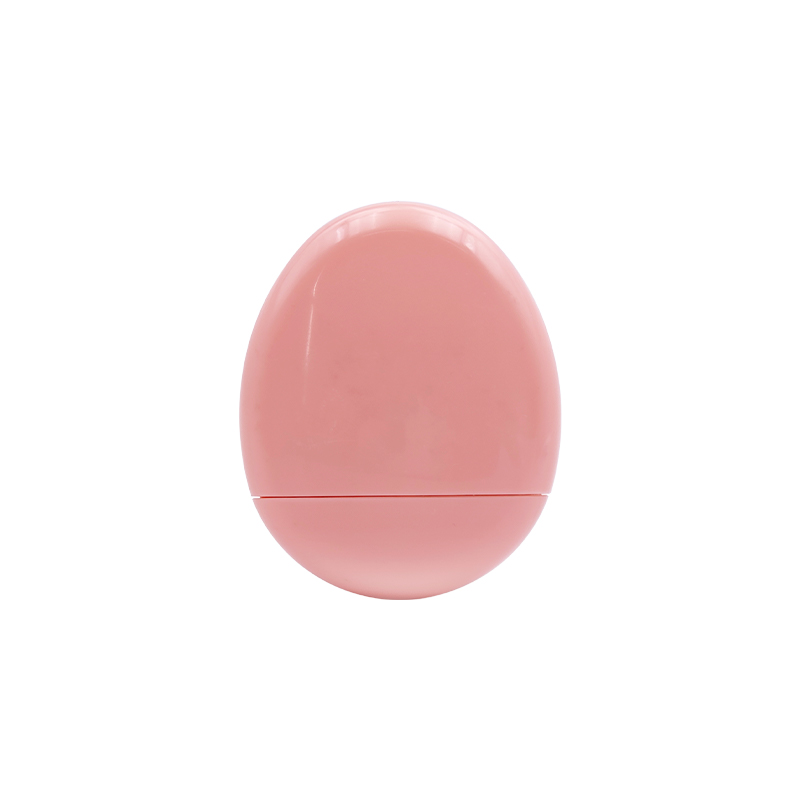
EGG-SHAPED BLUSH CREAM
TEXTURE OF CREAM MOUSSE THE PASTE IS SMOOTH AND HASGOOD COLOR VISIBILITY. Mo...
Foundation creates a base for color makeup, so its surface condition can change how blush spreads and settles. A smooth base usually gives liquid color enough room to move evenly, while dry patches or uneven areas can cause color to gather in certain spots.
Liquid blush tends to stay workable for a short period after application. That quality makes gradual blending possible, especially when only a small amount is used. Gentle tapping can soften the edges without moving too much of the foundation underneath. Rubbing across the cheek, on the other hand, may shift the base and leave an uneven area.
Moisture levels can vary across different parts of the face. A cheek may feel comfortable and smooth, while another area has already become dry. Applying the same amount and using the same pressure everywhere can produce different results. Paying attention to how the foundation feels before adding color helps keep the makeup more even.
Timing matters as well. Adding blush while foundation is still being spread can disturb both layers at once. Giving the base a short moment to settle makes it easier to place color where it is needed.
Liquid texture allows color to be built slowly rather than placed heavily in one step. Starting with a thin layer gives more freedom to adjust the shade and soften its edges, which is useful when the foundation already has a finished appearance.
Applying too much product at once can make blending harder. A thick patch may take more effort to spread, and repeated movement can disturb the foundation beneath it. Once the base starts moving, adding more product rarely makes the surface easier to control.
A gentler routine is easier to manage. Place a small amount on the cheek, spread it toward the surrounding area, then pause and look at the result. More color can be added later when needed.
A few habits can keep the process simple:
Gradual layering gives the user time to stop at the right point instead of trying to correct an overly strong application.
A foundation may look even from a distance while still feeling slightly different across the face. Areas around the nose and mouth can move more easily, while the cheeks may have a drier or smoother surface. Such differences become noticeable once liquid color is added.
When the base still feels wet, pressing or spreading blush can move it away from its original position. Waiting until the foundation has settled makes the surface easier to work on.
Dryness presents another issue. Color may catch on rough or dry areas rather than moving smoothly across them. Using less product and relying on light tapping can reduce the need for repeated rubbing.
Before adding blush, a quick check can help:
A stable foundation does not need to be completely dry. What matters is having enough control over the surface to place and blend the next layer without disturbing what is already there.
Streaks can appear when liquid color is dragged across the cheek with too much pressure or too much product. A smaller amount usually gives more room for movement, especially around the outer edge of the blush.
Start near the area where stronger color is intended, then soften it outward with gentle tapping or short controlled movements. Rather than spreading the same amount across the whole cheek, allow the color to become lighter toward the edge.
Repeated rubbing over one spot can create an uneven patch. Once a section looks blended, moving on to another area is often more useful than continuing to work the same place.
Application also needs to suit the shape of the face. A wider cheek area does not necessarily require a larger amount of product. Small additions can create a gradual change in color without making one section noticeably heavier.
Different tools give different levels of control. Fingers make it easy to feel how much pressure is being used, which can be helpful when working over a soft foundation. A makeup sponge can distribute color through gentle pressing, while a brush may spread liquid blush across a wider area.
Product amount remains important regardless of the tool. Too much on a sponge or brush can leave a concentrated patch before blending even begins. Removing excess product first can make the following movements easier to control.
| Tool | Useful For | What To Watch |
|---|---|---|
| Fingers | Small areas and pressure control | Avoid heavy pressing |
| Makeup Sponge | Gentle tapping and soft blending | Remove excess product |
| Makeup Brush | Wider color distribution | Control product pickup |
| Clean Tool | More even application | Keep the surface free from buildup |
For Beauty Makeup Blush, there is no need to force every application into the same routine. Foundation condition, product amount, tool choice, and hand pressure all work together. Adjusting one element when the cheek feels difficult to blend can often be more helpful than adding more product.
Layering works better when each step leaves enough room for the next one. Once foundation has been applied, give the surface a moment to settle before adding color. A quick look at the cheeks can reveal whether any area still feels damp, uneven, or easy to move.
Start with a small amount of Blush Liquid Blusher around the area where color should appear. Tapping works well for spreading the product without dragging the base underneath. Rather than covering the whole cheek at once, build the color gradually and let the outer area remain lighter.
After the first layer has been blended, pause before adding more. Looking at the face from a normal distance can give a better idea of the overall effect than checking one small section repeatedly. A second light layer can add depth while keeping the edges soft.
When one area becomes darker than expected, adding more product around it is rarely necessary. A clean sponge or another suitable tool can gently soften the surrounding edge, helping the color transition into the foundation.
Different foundations can leave different surfaces after application. Some feel soft and slightly moist, while others leave a drier, smoother finish. Liquid blush can work with both, although the amount and application pressure may need to change.
A softer base generally calls for careful tapping rather than broad rubbing. Too much movement can shift the foundation and make the cheek look uneven. Working with a small amount gives better control over how far the color spreads.
A drier base may need an even lighter touch. When the surface has little moisture left, liquid color can settle quickly in one area. Small applications followed by gentle blending can help avoid a heavy patch.
| Foundation Condition | Suggested Blush Approach | Common Concern |
|---|---|---|
| Soft and slightly moist | Use light tapping | Base may move under pressure |
| Smooth and settled | Build color gradually | Avoid adding too much at once |
| Dry surface | Use a small amount | Color may gather in dry areas |
| Uneven surface | Correct the base first | Blush may emphasize uneven areas |
Matching the application method to the foundation usually makes more sense than following one routine for every makeup combination.
Streaks often begin with how the product is placed rather than with the color itself. A large amount spread across one area can leave visible lines as it moves outward. Heavy pressure can create a similar problem by disturbing the foundation underneath.
Another common cause is repeated movement over the same spot. Once the product has started to settle, continued rubbing can lift part of the base and create a patchy surface. Working slowly does not mean spending a long time on one section; controlled movements are usually easier to manage.
Several habits can make streaks less likely:
Product compatibility can matter too. Different textures may behave differently when placed together, so an application method that works well with one foundation may need adjustment with another.
Blush does not need to look the same in every makeup routine. A simple daily look may call for a light touch around the cheeks, while a softer evening style may use several thin layers to create a little more color.
Placement can change the overall impression as well. Keeping color closer to the natural cheek area can create a gentle appearance, while spreading it farther outward may make the color feel more connected with the rest of the face.
For a lighter makeup style, a single thin layer may be enough. A more noticeable look can be built gradually rather than applying a large amount at once. Such control helps the blush remain part of the overall makeup instead of appearing separate from the foundation.
Beauty Makeup Blush can therefore fit different routines through changes in amount, placement, and blending rather than through complicated techniques.
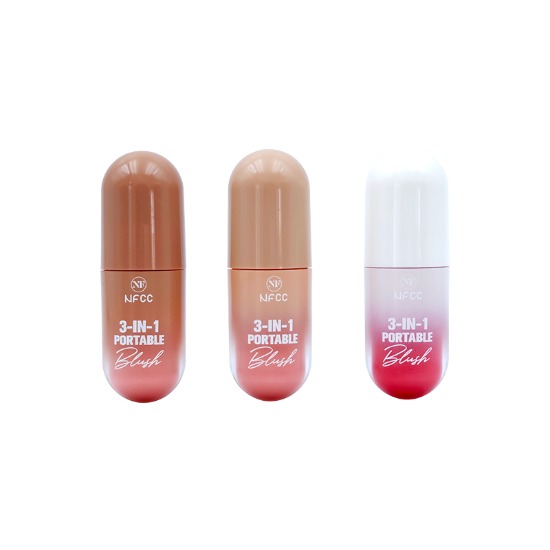
An even finish begins before blush is applied. Foundation should have enough time to settle, and areas that feel unusually dry or uneven should be handled before adding another layer.
Keeping product use controlled can prevent unnecessary corrections. A small amount placed carefully is easier to increase than a heavy application that needs to be reduced later.
Tools should receive attention as well. A sponge or brush carrying too much leftover product can affect the next application, while a clean surface gives better control over how much color reaches the skin.
Once a cheek has been blended, repeated touching can change its appearance. Checking the whole face from a normal distance is often more useful than continuing to adjust one small area.
A practical routine can remain simple:
For everyday makeup, consistency comes from small adjustments rather than heavy correction. Blush Liquid Blusher can sit naturally with foundation when product amount, surface condition, tool choice, and application pressure are kept in balance.

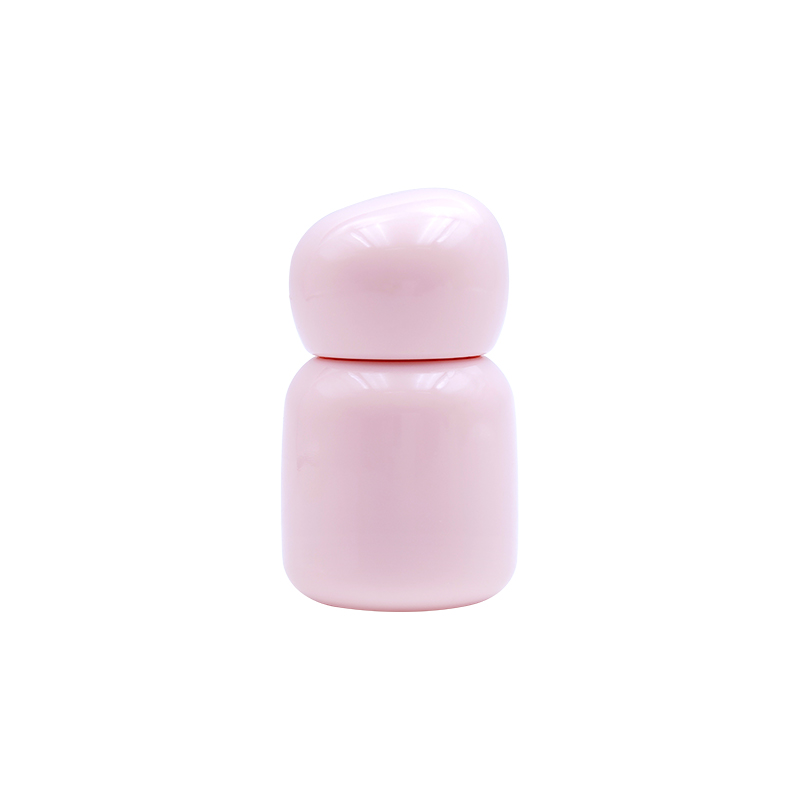

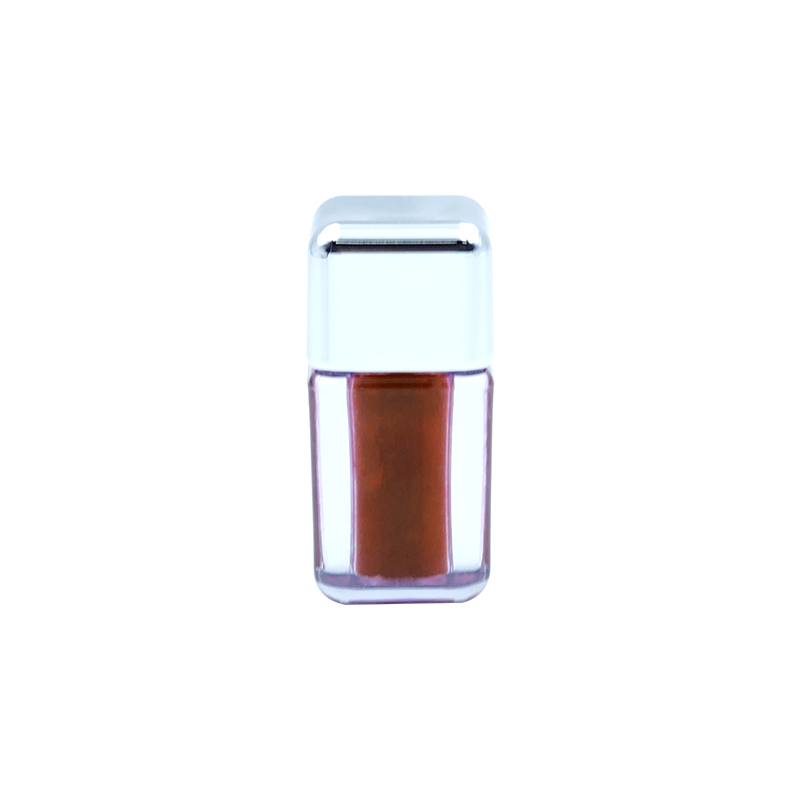
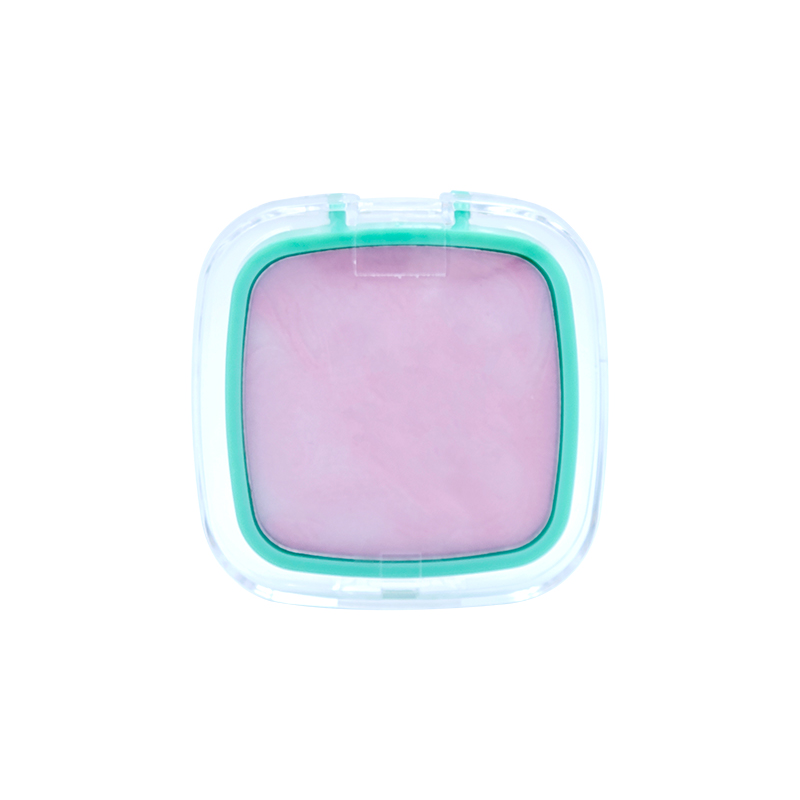
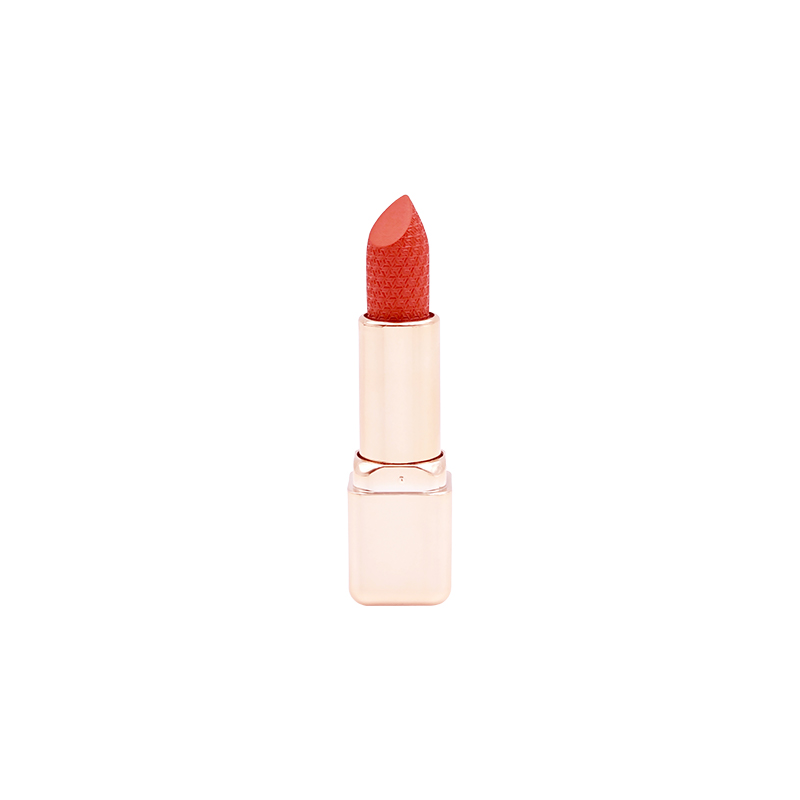
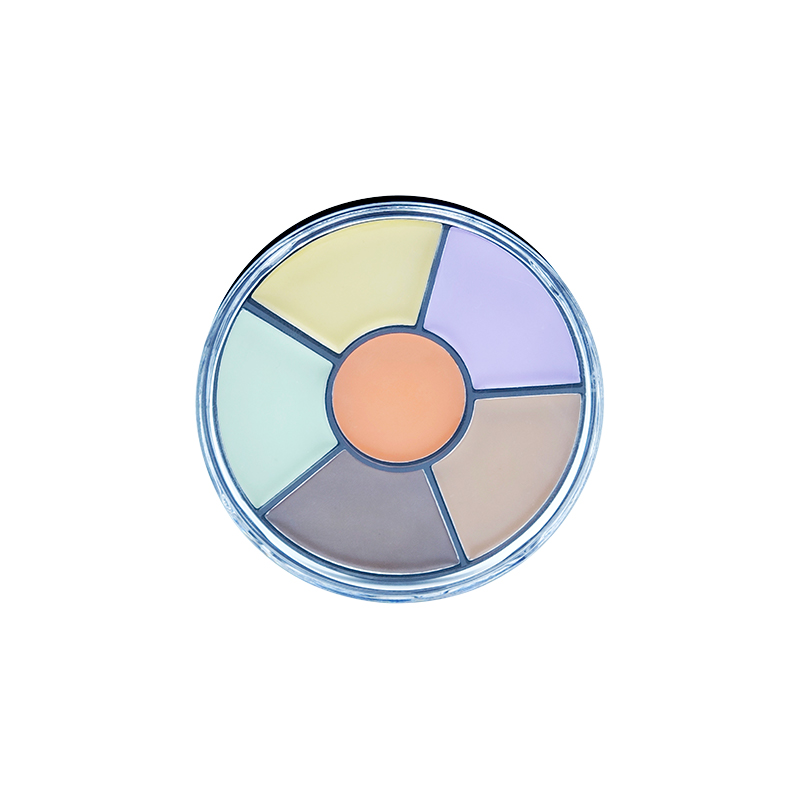
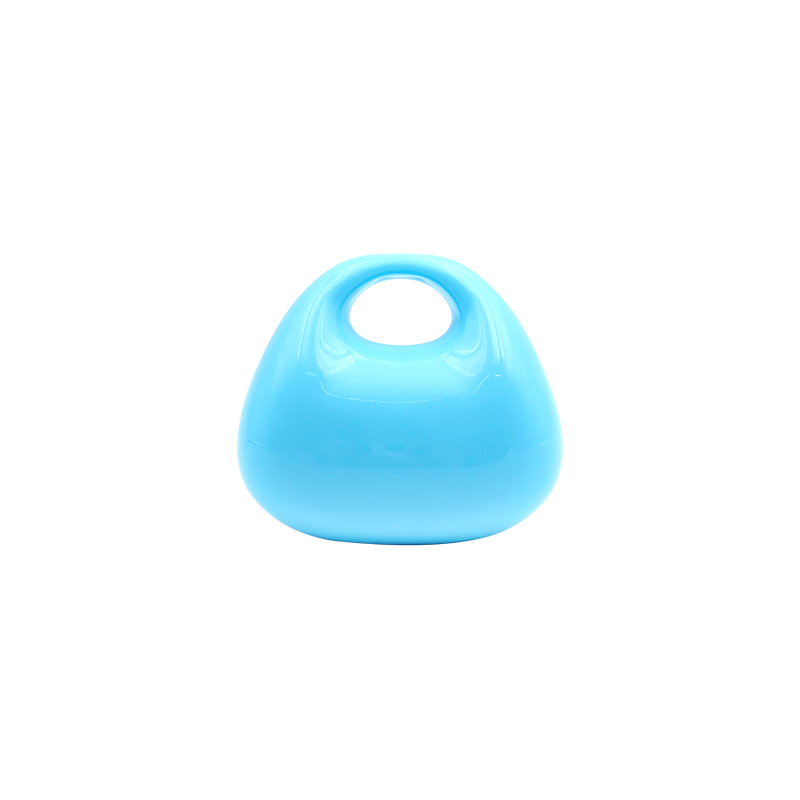
Lip makeup no longer has to mean one shade applied edge to edge. A soft tint can give a natural base, and a glossy oil...
Choosing a lip product isn't only about finding a suitable color. Consumers also consider how the color appears, how i...
Lip makeup has traditionally focused on adding color, while lip care has focused on keeping the lips feeling comfortab...
A cheek color can change the way facial proportions are perceived without altering the actual shape of the face. When th...
Everyday eye makeup does not always need strong color or a clearly defined shape. For work, casual outings, or simple so...
Color combination practice is not simply about placing several shades together. It involves observing how colors change ...


 No.333 Caihong Road,Linjiang Industry, Bailongqiao Town,Jinhua City, Zhejiang Province, China
 +86 13750973917+86 18248557685
 [email protected]
Copyright ©Zhejiang NiFei Cosmetic Co., Ltd. Rights Reserved.