
 SEARCH

 English
 Español
 Português

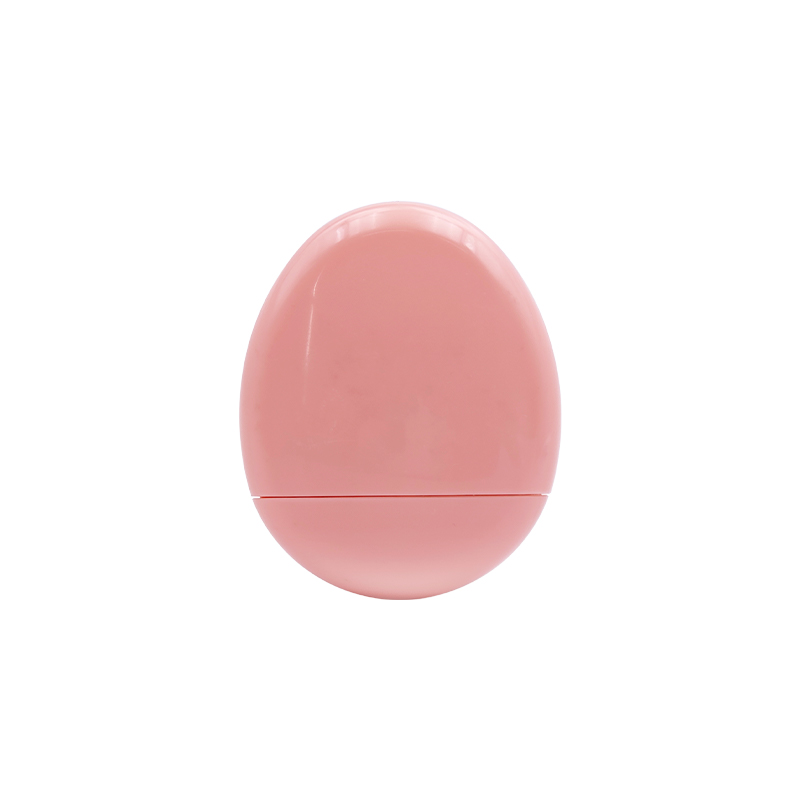
EGG-SHAPED BLUSH CREAM
TEXTURE OF CREAM MOUSSE THE PASTE IS SMOOTH AND HASGOOD COLOR VISIBILITY. Mo...
Pink can look surprisingly different from one face to another. A soft pink may appear fresh and light on fair skin, while the same shade can become warmer or quieter on medium skin and take on a deeper character against deeper skin. Such changes are not necessarily caused by the blush itself. The natural color underneath acts as part of the final visual result.
A Pink Fluid Sheer Blush has a translucent quality, so some of the underlying complexion remains visible. Unlike a dense color layer that largely covers the surface underneath, a sheer formula interacts with the existing skin tone. As a result, the finished color depends on both the blush and the complexion beneath it.
Several elements can influence that interaction:
A pale pink placed over a light complexion may retain much of its original softness. On a deeper complexion, a similar shade may appear subtler, especially when applied in a very thin layer. A richer pink can create a different balance without requiring a heavy application.
Base makeup adds another layer to the visual effect. A complexion with a neutral‑looking base may allow pink to appear relatively close to its original direction, while a warmer base can make the same color appear warmer. Lighting can also change perception, which is why a shade that looks balanced in a store or bathroom may appear slightly different near a window.
Rather than judging pink blush by the color seen inside its container, it makes more sense to consider how the shade interacts with the complexion and the rest of the makeup.
Fair skin can show subtle changes in pink quite clearly, so application control becomes useful. A light pink may create a soft flush, while a cooler rose direction can give a clearer color impression. Warmer pink shades can introduce a gentle contrast without changing the overall character of the makeup too much.
Because the underlying complexion is relatively light, applying too much color at once can make the blush look concentrated in one area. A gradual approach allows the color to develop while keeping the surrounding base makeup visible.
A practical routine can be simple:
Application speed can also affect the result. A liquid texture may begin to settle while being blended, so working gently across a small area can help maintain an even appearance.
Pink does not need to stand alone in a makeup look. Lip color can create a quiet connection with the cheeks, while neutral eye makeup can leave the blush as a softer point of color. When several pink or red shades are used together, adjusting their intensity can prevent the face from looking visually crowded.
For fair complexions, the question is less about whether pink can work and more about which direction of pink fits the desired mood. Soft pink can create a delicate appearance, rose can feel more defined, and warmer pink can bring a slightly sunlit quality.
Medium skin provides a broader visual base for pink shades, so several color directions can work depending on undertone and makeup style. Rose pink may appear balanced, warm pink can blend naturally with golden‑looking complexions, and a slightly deeper pink can provide clearer definition.
Undertone deserves attention here. Two people with a similar skin depth may still produce different results because one complexion may have a cooler cast while another appears warmer. A pink shade that looks slightly rosy on one person may lean warmer on another.
The condition of the base also matters. A sheer blush placed over a light foundation can appear different from the same color applied directly over bare skin. Powder products layered underneath can also influence how a liquid blush spreads and settles.
For everyday use, gradual application remains useful. Instead of applying a large amount and trying to soften it afterward, a smaller layer can be blended first, followed by another layer when needed.
Medium skin can also work well with combinations of pink shades. A lighter pink placed closer to the center of the cheek and a deeper rose toward the outer area can create a gentle change in depth. Another approach is to use a warm pink with a related lip shade so the cheek color feels connected to the rest of the face.
| Skin Tone Direction | Pink Color Direction | Possible Visual Effect | Application Focus |
|---|---|---|---|
| Fair | Soft Pink | Light and delicate | Use a thin layer |
| Fair | Rose Pink | Clearer cheek color | Blend edges carefully |
| Medium | Warm Pink | Soft and warm | Build gradually |
| Medium | Rose Pink | Balanced and defined | Match surrounding makeup |
| Deep | Warm Rose | Richer cheek color | Use controlled layering |
| Deep | Berry Pink | Deeper color presence | Balance with lip color |
On deeper skin, pink can take several forms depending on its depth and warmth. A very pale pink may create a quiet effect, while richer rose, berry, or warm pink shades can remain more visually present.
Sheer texture can be useful because it allows gradual color building. Rather than creating a solid block of color, repeated light layers can create a softer transition between blush and skin. A richer shade can also be blended outward so that the center retains more color while the edges become less defined.
Color balance matters when choosing a pink for deeper complexions. A warm rose can sit comfortably beside warm lip colors, while a berry‑leaning pink can create a stronger relationship with deeper red or plum tones.
Placement also changes perception. Keeping the color closer to the natural cheek area can create a familiar flush, while moving the color outward can give the face a different visual structure.
A useful approach is to consider the entire makeup arrangement rather than treating blush as an isolated product. When the eyes and lips already carry strong color, a softer cheek shade may create more balance. When the rest of the face uses neutral colors, a richer pink can become a clearer part of the look.
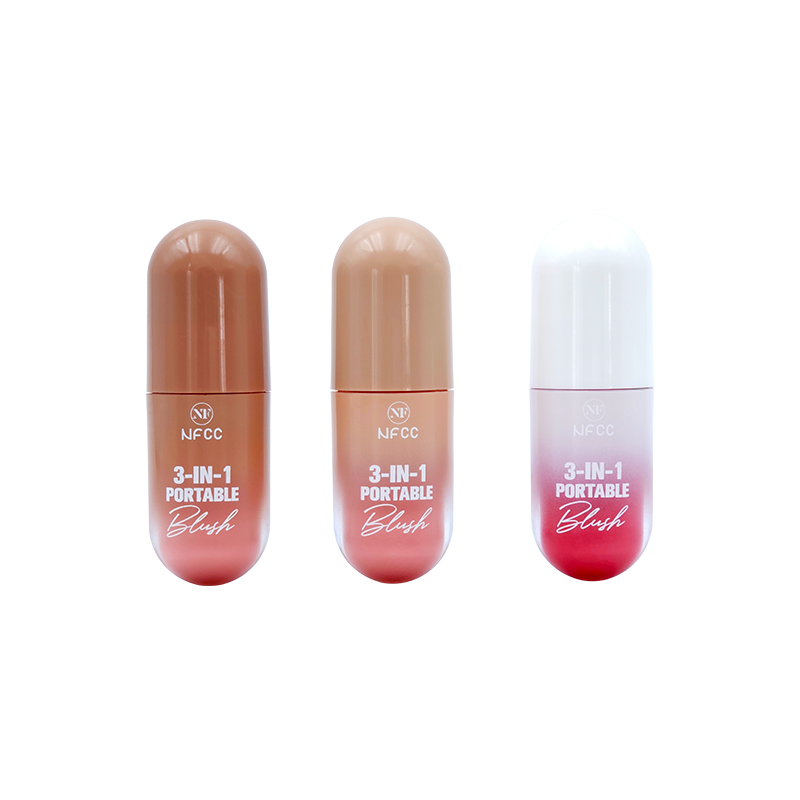
Skin depth tells only part of the story. Undertone can change how a pink shade is perceived even when two people have similar overall complexion depth.
A cooler undertone may make certain pinks appear clearer or slightly bluish, while a warmer undertone can push the same shade toward a warmer appearance. Neutral complexions may show a more balanced version of the original color.
That interaction becomes particularly noticeable with sheer formulas because natural skin color remains visible beneath the blush. A pink that seems neutral on a color chart may not appear neutral once applied.
Testing on the face can therefore provide more useful information than relying only on a swatch from the hand. Facial skin may have a different base color, and foundation can further change the surface underneath.
Light also plays a role. Warm indoor lighting may make pink appear softer and warmer, while cooler light can make the same color appear more defined. Checking makeup under more than one lighting condition can prevent unnecessary changes to the chosen shade.
For a Pink Fluid Sheer Blush, undertone is therefore part of color selection rather than a separate concern. Skin depth determines how visible a shade may be, while undertone can influence the direction that the color appears to take.
Application tools can change how evenly a fluid blush spreads. Fingers allow direct control over a small area, a sponge can create a softer transition, and a brush may distribute the color across a wider section of the cheek.
The amount placed on the skin matters as well. A small quantity spread across a broad area can create a lighter effect, while concentrating the same amount in one location can produce a stronger patch of color.
Blending should also consider the base underneath. Rubbing too firmly can disturb foundation, while gentle pressing and spreading can help preserve the underlying makeup.
Placement creates another difference. Applying blush closer to the center of the cheeks can create a youthful‑looking flush, while positioning it farther outward can visually lengthen the face. Neither approach needs to be treated as a fixed rule; face shape and personal makeup style influence the preferred placement.
Layering provides additional control. A sheer pink can begin with a subtle layer, followed by another application after the first has been blended. Such gradual building makes it easier to stop at a suitable level rather than correcting excess color later.
A Custom Blush Palette can make color selection more flexible when one shade does not suit every complexion in the same way. Pink does not appear independently from skin tone, so a palette containing related shades can provide more room for adjustment.
A pale pink may work as a soft everyday color, while rose or warm pink can add more visible definition. A deeper berry direction can provide another option when a richer cheek color is preferred. Keeping related shades together also makes it easier to change the color according to the rest of the makeup.
For different skin tones, a palette can be arranged around several practical needs:
Color variety does not need to mean random combinations. Shades can be selected so that they relate to one another, allowing a person to move from a light daytime look toward a deeper evening look without changing the entire makeup arrangement.
A Custom Blush Palette can also be useful when makeup needs to work across different complexion groups. Instead of expecting one pink to create the same visual result on everyone, several related colors can provide room for individual adjustment.
Combining pink shades can create more depth without relying on a heavy layer of one color. A lighter pink can form the base, while rose or warm pink can be placed closer to the area where more color is desired.
Another option is to connect cheek color with the lips. A warm pink blush can sit naturally beside a similar lip tone, while a cooler rose shade can work with a lip color that has a related direction.
Several combinations can be considered:
Layering should remain controlled. Too many strong colors in nearby areas can make the makeup appear disconnected, while related shades can create a more unified appearance.
Color selection becomes easier when several factors are considered together rather than focusing only on the name of the shade.
Skin Tone
Overall complexion depth influences how visible a sheer pink will appear. A shade that looks clear on fair skin may appear softer on deeper skin.
Undertone
Warm, cool, and neutral undertones can change the visual direction of pink after application.
Desired Finish
Some people prefer a barely visible flush, while others want a clearer cheek color. A buildable fluid texture allows the intensity to be adjusted gradually.
Application Method
Finger application, sponge blending, and brush application can create different levels of diffusion.
Makeup Style
Natural makeup may suit a softer pink, while a richer rose or berry tone can fit a more defined look.
Color Compatibility
The selected blush should also relate to lip and eye colors. Matching does not require identical shades; a shared warm or cool direction can be enough to create visual connection.
A thoughtfully arranged Custom Blush Palette can respond to the fact that pink does not behave identically across different complexions. Rather than treating one shade as a universal answer, several color directions can give users more control.
Palette development can consider skin depth, undertone, common makeup styles, and the way colors interact when layered. Soft pink, warm pink, rose, and berry shades can form a practical color range without making every shade feel unrelated.
Texture also matters when liquid and powder blushes are considered together. A palette intended for different uses may need colors that blend naturally rather than producing abrupt changes between shades.
For makeup users, having several related colors can reduce the need to force one shade into an unsuitable role. A lighter pink can remain subtle on a fair complexion, while a deeper rose may provide clearer visibility on deeper skin. Medium complexions can move between warm and cool pink directions according to undertone and surrounding makeup.
Ultimately, Pink Fluid Sheer Blush works through interaction. Skin tone provides the underlying color, undertone influences the direction, application controls intensity, and surrounding makeup changes how the final shade is perceived. A Custom Blush Palette adds flexibility by bringing related color choices together, allowing pink blush to adapt more naturally to different complexions and makeup styles.


Lip makeup has traditionally focused on adding color, while lip care has focused on keeping the lips feeling comfortab...
A cheek color can change the way facial proportions are perceived without altering the actual shape of the face. When th...
Everyday eye makeup does not always need strong color or a clearly defined shape. For work, casual outings, or simple so...
Color combination practice is not simply about placing several shades together. It involves observing how colors change ...
Foundation creates a base for color makeup, so its surface condition can change how blush spreads and settles. A smooth ...
Blush color selection has become more varied as makeup habits move between soft daily looks, warm tones, muted shades, a...


 No.333 Caihong Road,Linjiang Industry, Bailongqiao Town,Jinhua City, Zhejiang Province, China
 +86 13750973917+86 18248557685
 [email protected]
Copyright ©Zhejiang NiFei Cosmetic Co., Ltd. Rights Reserved.