
 SEARCH

 English
 Español
 Português

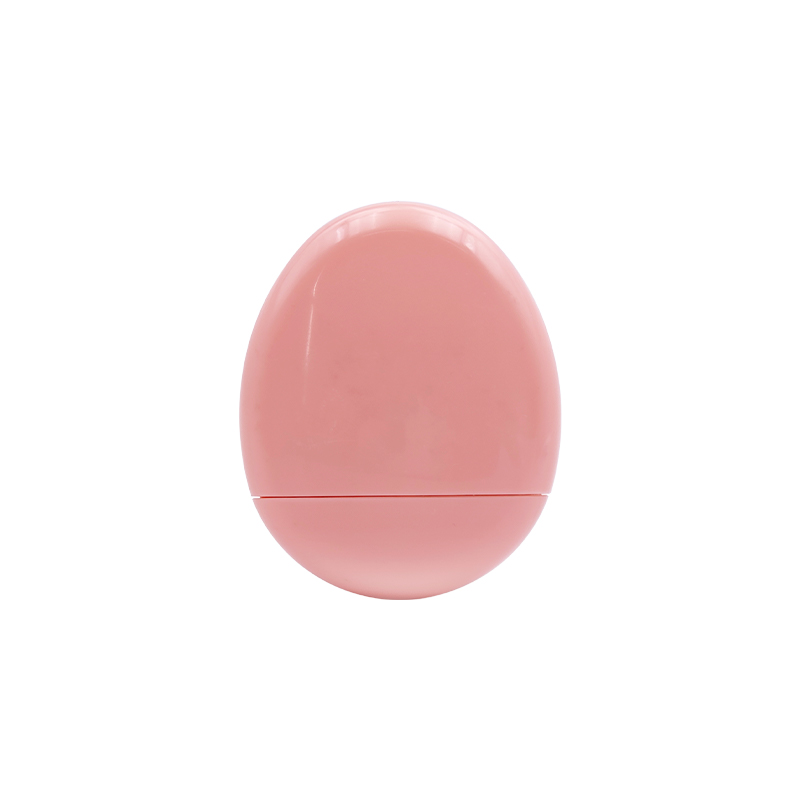
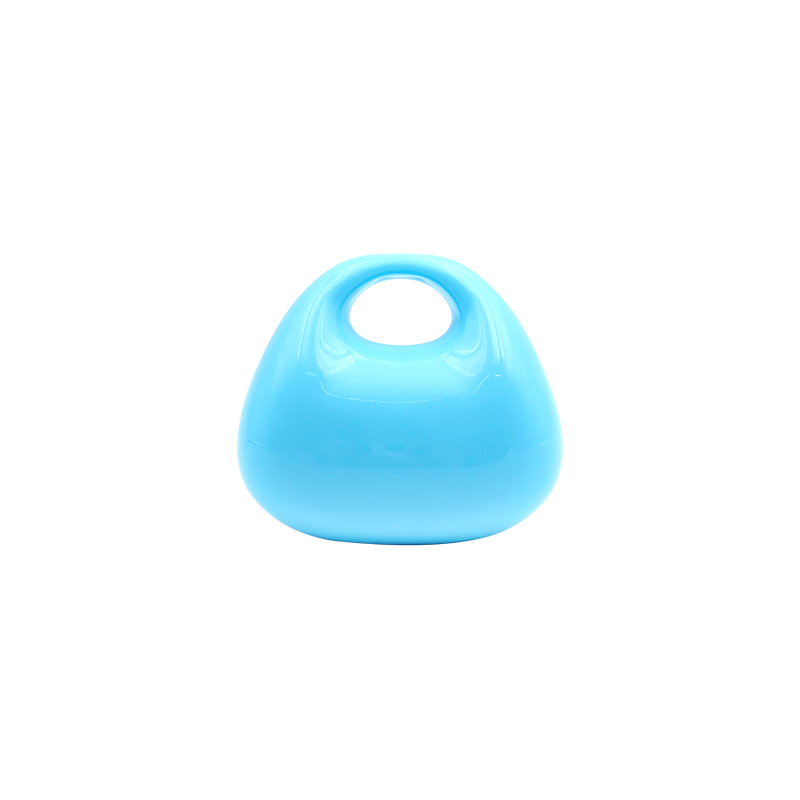
EGG-SHAPED BLUSH CREAM
TEXTURE OF CREAM MOUSSE THE PASTE IS SMOOTH AND HASGOOD COLOR VISIBILITY. Mo...
A highlighter factory operates at the intersection of advanced materials science and cosmetic artistry, with its core mission being the engineering of specific optical effects. The primary focus is on sourcing and formulating with specialized effect pigments. These include pearlants (like mica), interference pigments that shift color based on viewing angle, and ultra-fine metallic particles. The expertise of a highlighter factory lies in its mastery of particle size distribution, surface treatment, and the precise blending of these components with binders and base powders. The goal is to create products that deliver a targeted finish—from a subtle, lit-from-within glow to an intense metallic sheen or a holographic sparkle—without emphasizing skin texture. This requires deep technical knowledge of light reflection and dispersion.
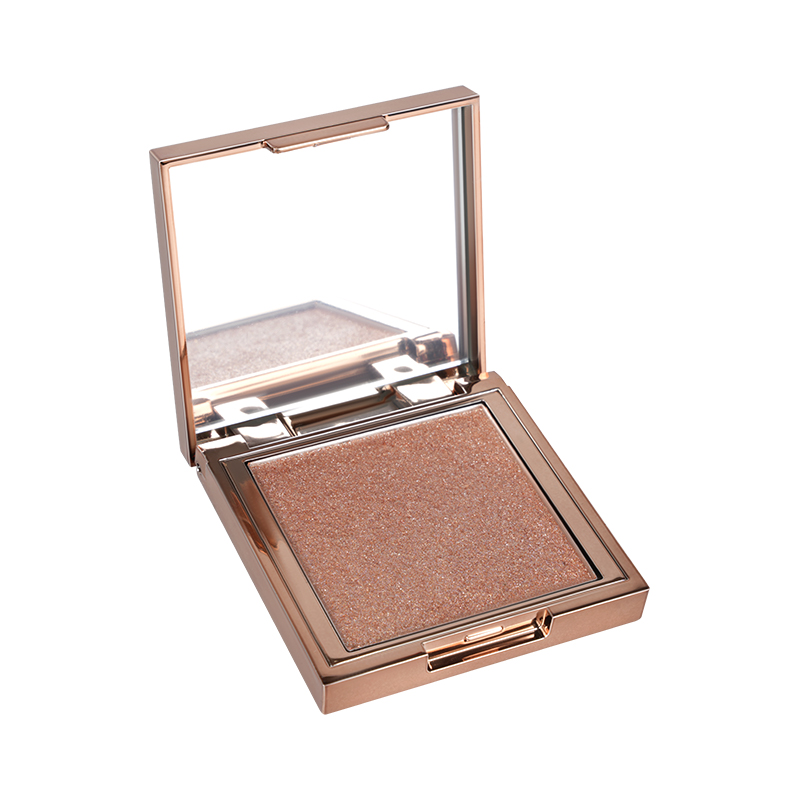
Modern highlighters come in numerous forms—pressed powders, loose pigments, creams, sticks, and liquids—each demanding a distinct production line within a versatile highlighter factory. For pressed powders, the process involves precise blending of dry ingredients followed by high-pressure compaction in molds to achieve the desired firmness and payoff. Cream and liquid highlighters require emulsification technology in sanitary kettles, where oils, waxes, and pigments are homogenized to a specific viscosity to ensure smooth application and stability. A leading highlighter factory invests in the equipment and process controls needed to manufacture across these diverse formats, ensuring consistent texture, seamless blendability, and the preservation of the delicate pigment structure in each form.
Given that highlighters are designed for use on the high points of the face, often over large areas, quality control in a highlighter factory is exceptionally stringent. Every batch of raw material, especially effect pigments, is tested for purity, heavy metal content, and particle size consistency. Finished products undergo a multi-tiered testing protocol. This includes instrumental color measurement to ensure shade fidelity, stability testing under stress conditions (heat, cold, freeze-thaw cycles for liquids) to prevent separation or changes in texture, and microbiological testing to guarantee sterility. Additionally, application tests are conducted to verify the desired luminosity, blendability, and wear-time, ensuring every unit meets the exacting standards for both performance and consumer safety.
The functional delivery system is a key part of the highlighter experience. A forward-thinking highlighter factory dedicates significant resources to packaging innovation that enhances usability and preserves product integrity. This involves designing and sourcing custom components: precision-molded domed sponges for cream products, airtight pumps for liquid droppers, and sturdy compacts with secure closures and well-sized mirrors for powders. The factory must seamlessly integrate filling and assembly processes for these often complex packages, ensuring that the delicate formula is not compromised. For stick highlighters, the mechanics of the twist-up mechanism must be reliable. This focus on the user interface ensures the product not only performs well but also delivers a satisfying and luxurious user experience from the highlighter factory to the consumer's vanity.
The highlighter market is intensely trend-driven, with consumer preferences shifting rapidly between finishes (e.g., wet-look, blurred glow, bold glitter) and product types. An agile highlighter factory must possess a responsive supply chain and R&D capability to quickly adapt. This involves maintaining relationships with global suppliers of novel effect pigments and being able to prototype new textures and shades swiftly. The ability to execute small batches for limited-edition collections or custom shades for specific brands is a valuable service. Simultaneously, the factory must manage the logistics of sourcing stable, compliant raw materials and efficient production planning to cater to both viral, short-lived trends and the steady demand for classic staple products, solidifying its role as a dynamic partner in the fast-paced beauty industry.

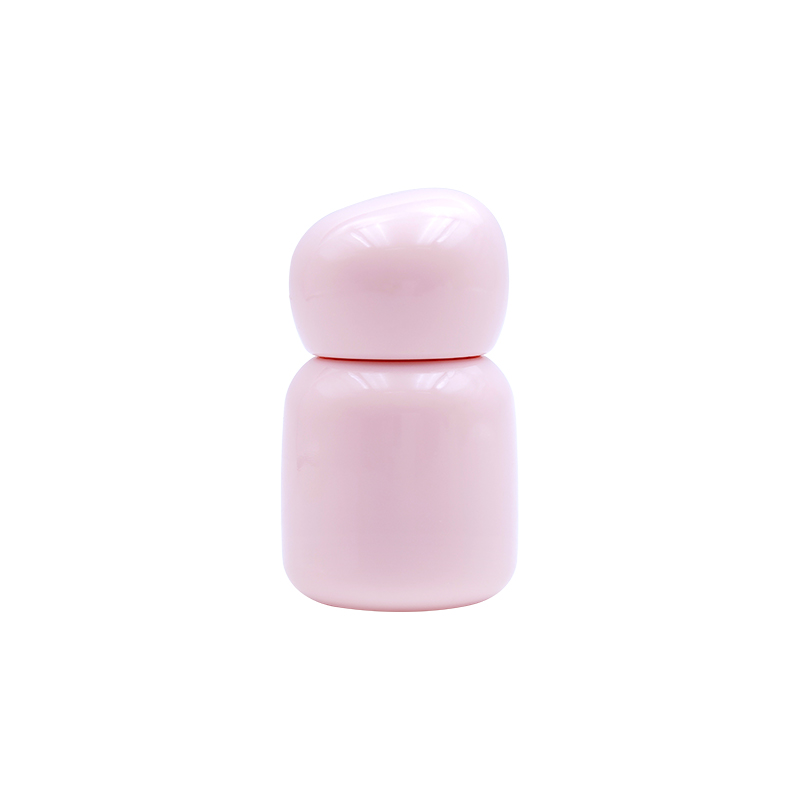
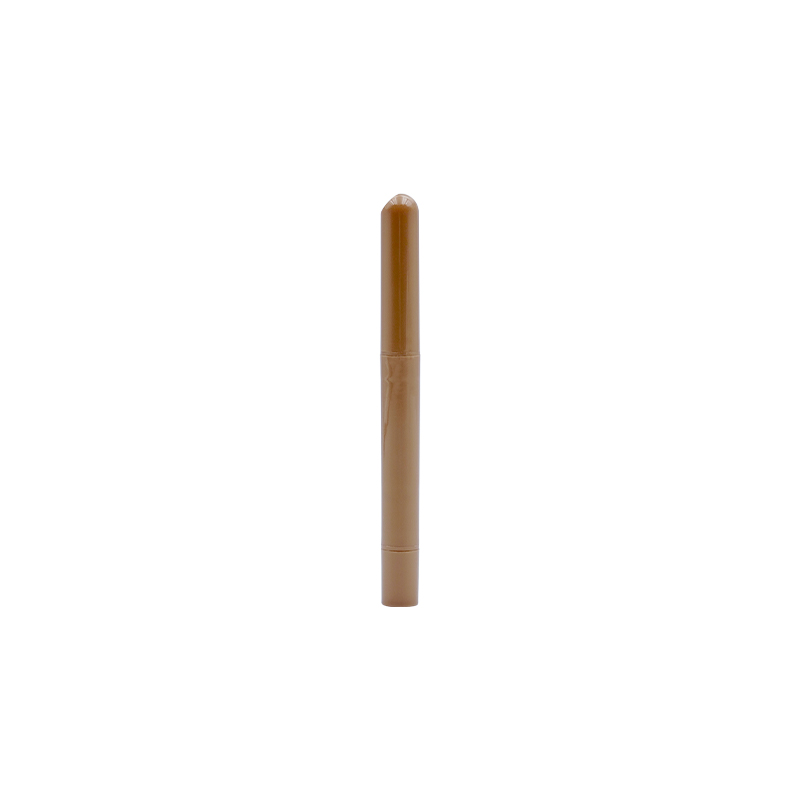
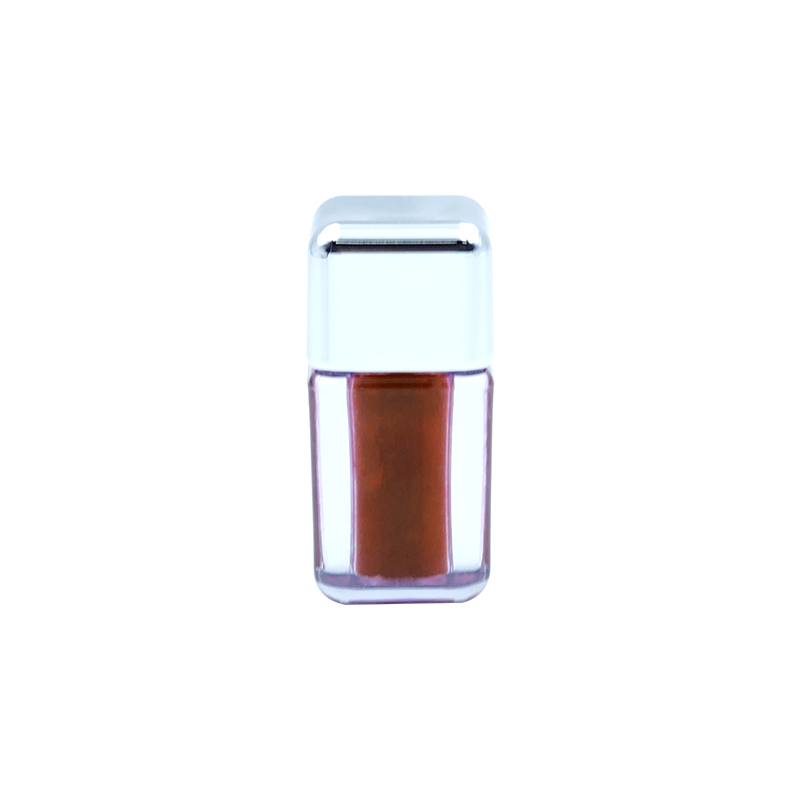
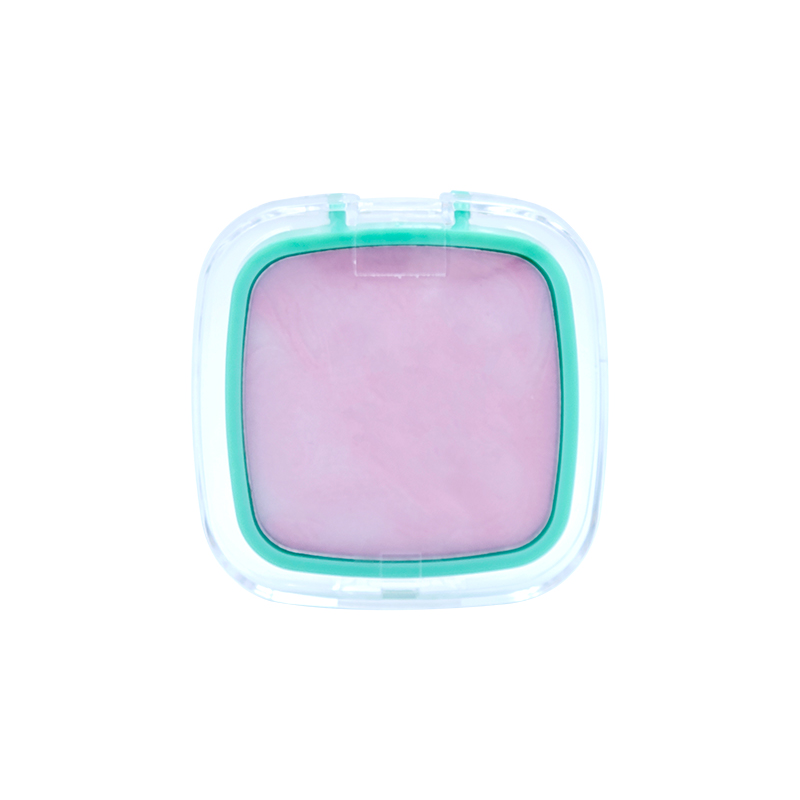
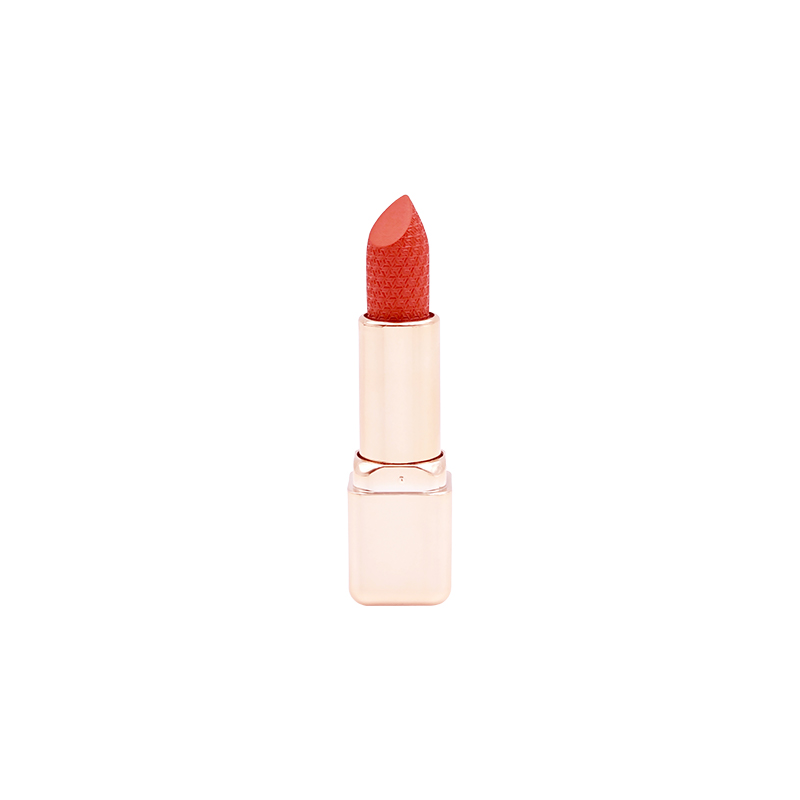
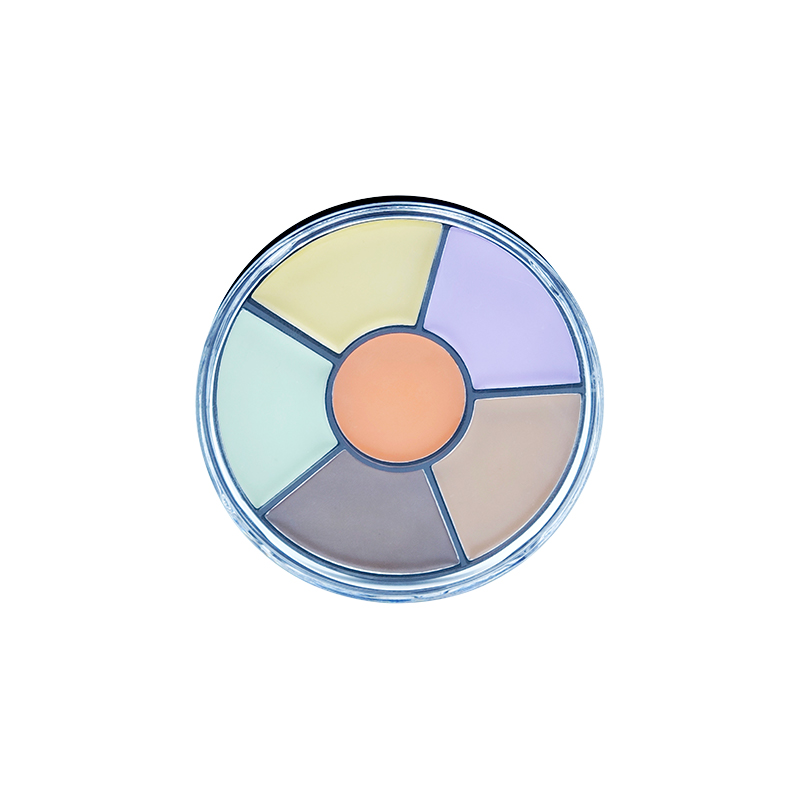
Choosing a lip product isn't only about finding a suitable color. Consumers also consider how the color appears, how i...
Lip makeup has traditionally focused on adding color, while lip care has focused on keeping the lips feeling comfortab...
A cheek color can change the way facial proportions are perceived without altering the actual shape of the face. When th...
Everyday eye makeup does not always need strong color or a clearly defined shape. For work, casual outings, or simple so...
Color combination practice is not simply about placing several shades together. It involves observing how colors change ...
Foundation creates a base for color makeup, so its surface condition can change how blush spreads and settles. A smooth ...


 No.333 Caihong Road,Linjiang Industry, Bailongqiao Town,Jinhua City, Zhejiang Province, China
 +86 13750973917+86 18248557685
 [email protected]
Copyright ©Zhejiang NiFei Cosmetic Co., Ltd. Rights Reserved.